Small Garden Plans: Big Ideas for Limited Spaces
When space is limited, intention becomes everything. Small garden plans aren’t about compromise — they’re about clarity.
With the right approach, even the tiniest patch of ground, balcony, or courtyard can become productive, calming, and visually appealing.

Small gardens encourage thoughtful decisions.
Every plant, pathway, and structure must earn its place. This often leads to better results than large, unfocused gardens, where space is wasted and maintenance becomes overwhelming.

Whether you’re working with a narrow backyard, an urban patio, or a compact side yard, careful planning transforms limitations into strengths.
Why Planning Matters in Small Gardens
In a small garden, mistakes are magnified. Poor plant placement, overcrowding, or inefficient layouts quickly lead to frustration.

A well-thought-out plan prevents these issues and creates a space that works with you, not against you.
Good small garden plans help you:
- Maximize limited space
- Improve plant health and productivity
- Reduce maintenance and watering needs
- Create a visually balanced layout
- Avoid overcrowding and soil compaction
Planning upfront saves time, money, and effort over the long term.

Start With a Clear Purpose
The foundation of any successful small garden plan is purpose. Before choosing plants or materials, decide what you want your garden to provide.
Ask yourself:
- Do I want to grow food, flowers, or both?
- Is relaxation more important than productivity?
- Do I want a low-maintenance garden or an active one?
- Will I use this space daily or occasionally?
Common Small Garden Goals
| Goal | Design Focus |
|---|---|
| Vegetable production | Raised beds, vertical growing, efficient spacing |
| Relaxation | Seating, soft textures, minimal clutter |
| Pollinator garden | Native plants, flowers, varied bloom times |
| Mixed-use garden | Zones for food, flowers, and rest |
Trying to do everything equally in a small space often leads to overcrowding. Prioritize one main goal and let secondary goals support it.
Understand Your Space Before You Plant

Observation is one of the most overlooked steps in small garden planning. Spend time understanding how your space behaves throughout the day and across seasons.
Pay attention to:
- Sun exposure: Full sun, partial shade, or full shade
- Wind patterns: Sheltered vs exposed areas
- Water flow: Areas that stay wet or dry quickly
- Access points: How you enter and move through the space
Sunlight Guide for Small Gardens
| Sun Exposure | Suitable Plants |
|---|---|
| Full sun (6–8 hrs) | Tomatoes, peppers, herbs, flowers |
| Partial sun (4–6 hrs) | Leafy greens, root vegetables |
| Shade (less than 4 hrs) | Lettuce, spinach, herbs like mint |
Matching plants to conditions reduces stress on both you and the garden.
Grow Up: The Power of Vertical Gardening

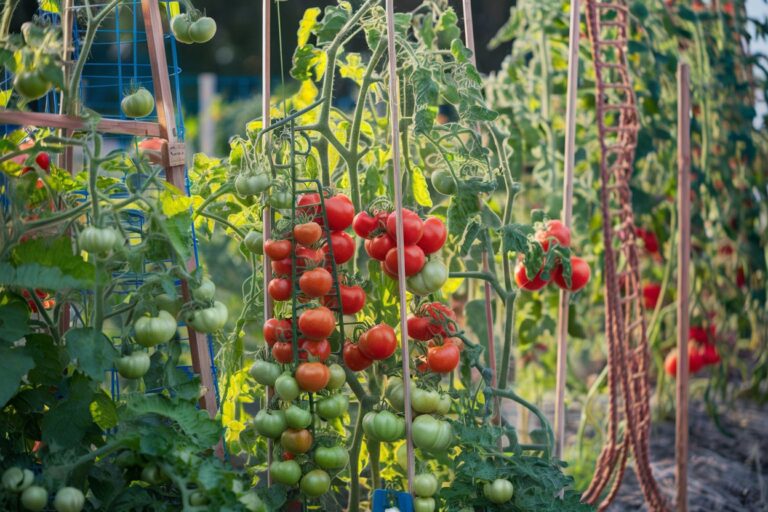
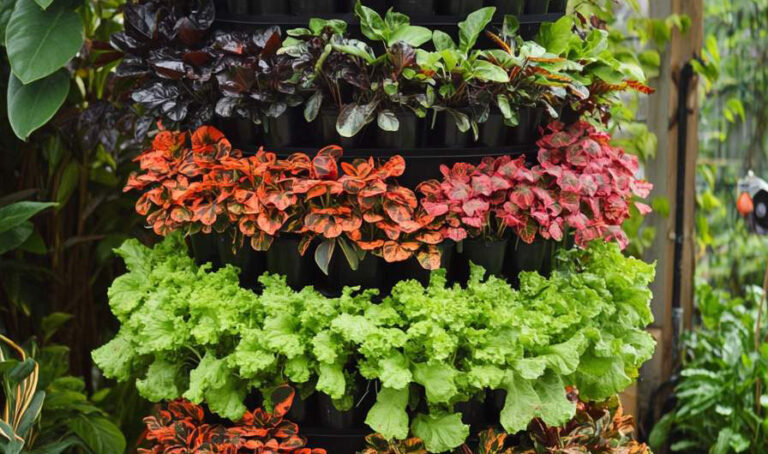
Vertical growing is one of the most effective techniques for small gardens. When horizontal space is limited, vertical space becomes invaluable.
Benefits of Vertical Gardening
- Increases growing area without expanding footprint
- Improves airflow and reduces disease
- Makes harvesting easier
- Adds visual height and interest
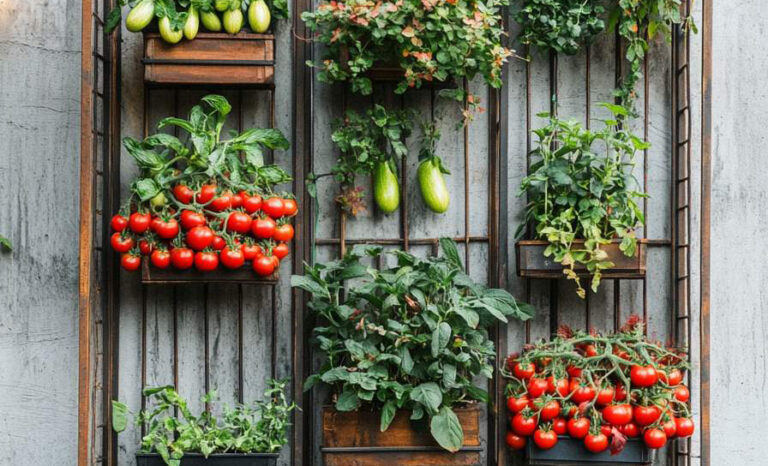
Popular Vertical Growing Options
- Trellises and arches
- Wall-mounted planters
- Hanging baskets
- Vertical garden panels
Best Plants for Vertical Growing
- Beans and peas
- Tomatoes
- Cucumbers
- Squash varieties (with strong support)
- Flowering vines
Vertical elements also create privacy and define zones within small gardens.

Use Containers Strategically
Container gardening is ideal for small spaces because it offers flexibility and control.
Containers allow you to adjust layout, move plants to better light, and change plantings seasonally.

Advantages of Container Gardening
- Easier soil control
- Better drainage
- Portable and adaptable
- Ideal for patios and balconies
Container Size Guide
| Plant Type | Recommended Container Depth |
|---|---|
| Herbs | 15–20 cm |
| Leafy greens | 20–25 cm |
| Tomatoes | 30–45 cm |
| Root vegetables | 30+ cm |
Grouping containers by water needs simplifies care and reduces waste.
Design Functional Pathways

In small gardens, movement matters.
Without clear pathways, spaces feel cluttered and difficult to maintain.
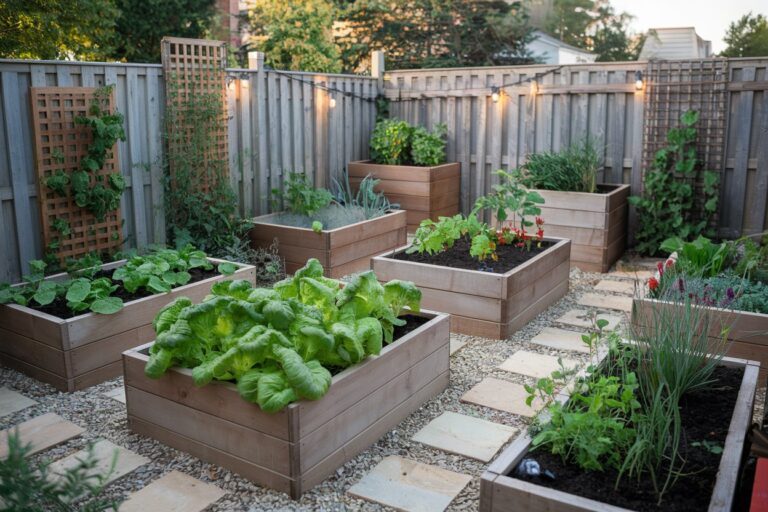
Pathway Planning Tips
- Keep paths narrow but accessible
- Avoid stepping on soil to prevent compaction
- Ensure easy access to all planting areas
Simple Pathway Materials
- Mulch
- Gravel
- Stepping stones
- Compact soil or bark chips
Well-designed pathways improve both function and visual flow.
Choose Fewer Plants — and Choose Them Well
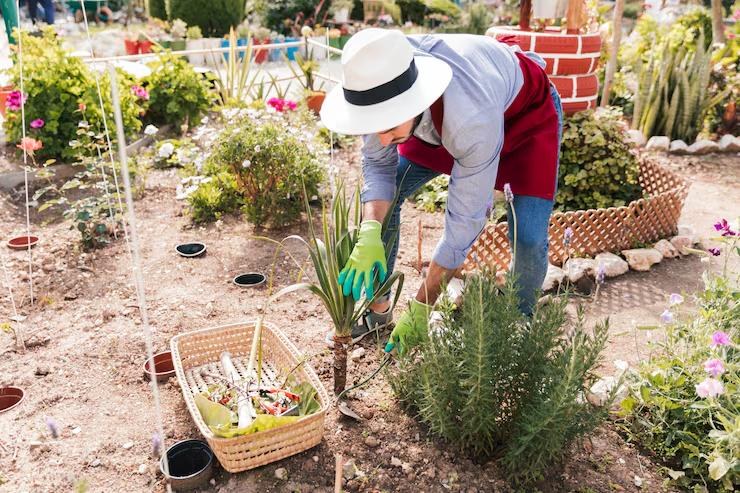
Overcrowding is one of the most common mistakes in small garden plans.
While it’s tempting to plant everything you love, restraint leads to healthier plants and better yields.
Benefits of Fewer, Well-Chosen Plants
- Better airflow
- Reduced disease and pests
- Easier watering and feeding
- Higher productivity per plant
Smart Plant Choices for Small Gardens
- Compact or dwarf varieties
- High-yield crops
- Plants with multiple uses (food + pollinator value)
Quality always beats quantity in limited spaces.
Plan for Easy Maintenance

A small garden should feel manageable, not overwhelming. Design choices should reduce daily effort and encourage consistent care.
Low-Maintenance Design Tips
- Mulch to retain moisture and suppress weeds
- Group plants with similar water needs
- Install simple drip irrigation or soaker hoses
- Keep beds narrow for easy reach
A garden that’s easy to maintain is one you’ll actually enjoy.
Small Space, Big Impact

Small garden plans succeed when every element has a purpose. With thoughtful design, even the most compact space can support healthy plants, provide fresh food, and offer a sense of calm.
Size does not determine success — intention does.
By planning carefully, growing vertically, choosing wisely, and keeping maintenance in mind, small gardens can feel abundant, productive, and deeply satisfying.