
10 Best Vegetables to Grow in Pots for US Gardens in 2026 (By USDA Zone)
There’s something weirdly satisfying about growing vegetables in pots. Maybe it’s because you can move them around when the weather suddenly changes, or maybe it’s just nice seeing tomatoes growing a few steps from the kitchen door instead of across the yard.
Either way, container gardening keeps getting bigger every year, especially with smaller backyards, patios, balconies, and honestly… people just wanting food that tastes like actual food again.
The nice thing is you don’t need a huge setup. A few pots, decent sunlight, and the right vegetables for your USDA zone can turn even a tiny space into a productive little garden.
Some vegetables absolutely thrive in containers too. Better than garden beds sometimes.
And in 2026, with hotter summers in some states and unpredictable weather swings in others, growing in pots actually gives you more control.
Why Container Gardening Works So Well in Different USDA Zones
The biggest advantage with pots is flexibility. If you live in a colder zone, you can move plants closer to warmth.

If you’re in brutal southern heat, you can shift containers into afternoon shade before everything gets fried by July.
A lot of gardeners figure this out after losing half their plants one summer.
Container gardening also helps with:
- poor soil
- weeds
- drainage problems
- pests
- small spaces
- renting

Honestly, even experienced gardeners still use pots because they’re just easier sometimes.
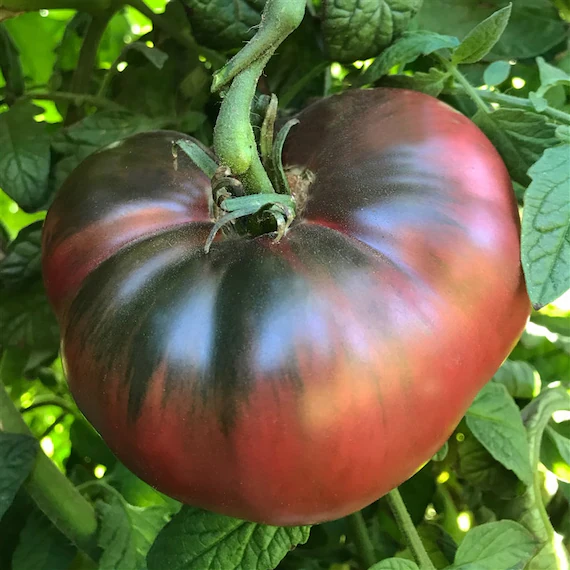
Tomatoes (Best for Zones 4–10)

Tomatoes are probably the king of container gardening. And once you grow your own, grocery store tomatoes kind of become disappointing forever.
Smaller varieties usually work best in pots:
- cherry tomatoes
- patio tomatoes
- roma tomatoes
- dwarf varieties
In cooler northern zones, black containers can help warm the roots faster during spring. Down south, lighter colored pots stop roots from overheating.

The biggest mistake people make is using pots that are too small. Tomatoes get thirsty fast.
Best Pot Size
At least 5 gallons.
Best Growing Tip
Use deep containers and stake them early before the plant gets wild and chaotic.
Peppers (Best for Zones 5–11)
Peppers absolutely love heat, which makes them perfect for container growing. Jalapeños, bell peppers, banana peppers… all of them do pretty well in pots if they get enough sun.

And honestly, peppers are one of the easiest vegetables for beginners because they don’t demand constant attention like tomatoes do.
Hot southern states usually get huge harvests, while northern gardeners can use containers to move peppers indoors during colder nights early in the season.

Smaller compact pepper plants are great for patios too.
Best Growing Tip
Don’t overwater them. Peppers weirdly prefer slightly drier soil compared to other vegetables.
Lettuce (Best for Zones 3–9)
Lettuce grows ridiculously fast in containers. Like… surprisingly fast.

It’s also one of the best vegetables for cooler USDA zones because it doesn’t love extreme heat. In hotter southern states, afternoon shade becomes important once summer hits hard.
The nice thing about lettuce is you can harvest outer leaves slowly instead of pulling the whole plant. So one pot can keep producing for weeks.

Loose leaf varieties usually perform better than head lettuce in containers.
Best Growing Tip
Plant new seeds every couple weeks so you always have fresh greens coming in.
Radishes (Best for Zones 2–10)
Radishes are one of those vegetables that make people feel successful very quickly. Some varieties are ready in under a month.

That’s probably why so many beginner gardeners end up loving them.
They don’t need deep pots, they tolerate cooler weather, and they’re surprisingly satisfying to pull from the soil. Kids usually love growing these too because the results happen fast enough to actually stay interesting.

Best Pot Size
Around 6 inches deep works fine.
Best Growing Tip
Keep the soil evenly moist or radishes can turn woody and weird tasting.
Green Beans (Best for Zones 3–10)
Bush beans and pole beans both grow well in pots, but they work differently.

Bush beans stay compact and tidy. Pole beans turn into climbing chaos pretty quickly but produce way more over time.
If you’ve got a small balcony or patio, vertical growing with pole beans is honestly a smart move. They make tiny spaces feel productive without taking over the floor.

Best Growing Tip
Pole beans need a trellis immediately. Don’t wait until the vines are already tangled together.
Carrots (Best for Zones 3–10)
A lot of people assume carrots can’t grow in containers, but they actually do really well if the pot is deep enough.

Shorter carrot varieties usually work best:
- Nantes
- Parisian
- Chantenay
Heavy clay garden soil ruins carrots pretty easily, so containers sometimes grow straighter carrots than garden beds.
Best Pot Size
At least 12 inches deep.
Best Growing Tip
Use loose fluffy potting mix. Packed soil causes twisted carrots.
Cucumbers (Best for Zones 4–11)

Cucumbers can get aggressive fast in summer. One minute they’re tiny seedlings and then suddenly they’re climbing everything nearby.
Bush cucumber varieties are easier for containers, but vertical trellises make regular cucumbers work too.

Southern zones usually get long cucumber seasons, while northern growers often benefit from black containers warming the roots earlier in spring.
Best Growing Tip
Consistent watering matters a lot or cucumbers can taste bitter.
Spinach (Best for Zones 2–9)
Spinach loves cooler weather and tends to struggle once summer heat really kicks in. Northern gardeners usually get the easiest spinach harvests, but southern gardeners can still grow it well during spring and fall.

Containers help because you can move spinach into partial shade when temperatures spike unexpectedly.
Baby spinach varieties are usually easiest.
Best Growing Tip
Morning sun and afternoon shade helps spinach last longer in warmer states.
Zucchini (Best for Zones 4–10)
Zucchini plants get big. Bigger than people expect.

But compact container varieties have gotten way better lately, and honestly one healthy zucchini plant can feed an entire household during peak summer.
Sometimes too well.
The trick is airflow. Crowded zucchini plants in containers can get mildew pretty quickly if humidity stays high.
Best Growing Tip
Water the soil, not the leaves.
Herbs (Best for Almost Every USDA Zone)
Okay technically herbs aren’t vegetables, but no container garden feels complete without them.

Basil, parsley, mint, cilantro, thyme, oregano… they all thrive in pots and honestly make patios smell amazing during summer evenings.
Mint should absolutely stay in its own container though unless you enjoy chaos.
Herbs are also one of the best choices for tiny apartment balconies because they don’t need massive containers.
Best Growing Tip
Harvest herbs often. It actually makes them grow fuller.
Choosing the Right Vegetables for Your USDA Zone
Not every vegetable handles every climate the same way. That’s where USDA zones really matter.
Cooler Zones (2–5)
Best choices:
- lettuce
- spinach
- carrots
- radishes
- beans
These areas usually have shorter growing seasons, so faster crops work better.
Moderate Zones (6–8)
Probably the easiest gardening zones overall. Most vegetables grow pretty comfortably here with decent watering.
Hot Southern Zones (9–11)
Heat-loving vegetables dominate:
- peppers
- tomatoes
- cucumbers
- herbs
Afternoon shade becomes really important during extreme summer heat though.

Final Thoughts
Container gardening feels a little less intimidating than traditional gardening somehow. You don’t need perfect soil or a huge backyard. You just need sunlight, decent containers, and vegetables that actually suit your climate.
And honestly, once you start picking tomatoes or peppers from your own patio, it becomes kind of addictive.
Even a few pots can completely change how a space feels. A balcony suddenly feels alive. A porch becomes somewhere you actually want to sit in the evening. And fresh vegetables right outside the door just hits different compared to buying them wrapped in plastic from the store.
Especially in 2026, with more people trying to grow at least some of their own food again, container gardening just makes sense.