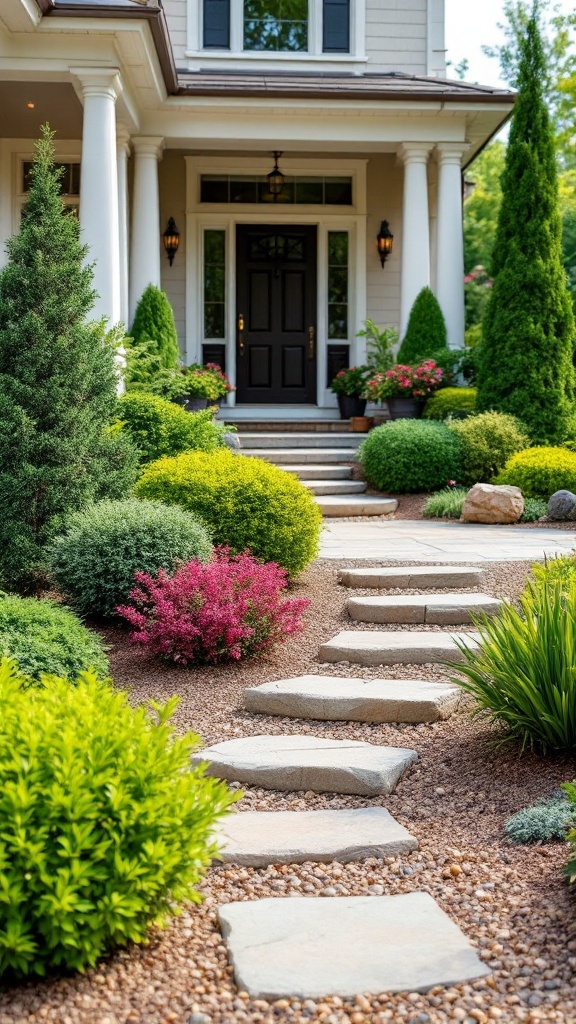
19 Front Yard Hydrangea Landscaping Ideas to Boost Your Home’s Curb Appeal
Hydrangeas have always been one of those plants that make a front yard feel welcoming.
They flower for months, come in a huge range of colors, and somehow manage to look elegant without demanding constant attention.
Whether you have a modern home, a cozy cottage, or something in between, there’s usually a way to work hydrangeas into the landscape.
We simply added a few hydrangeas, reshaped the garden beds, spread fresh mulch, and suddenly the whole entrance looked brighter and more finished. Sometimes it’s the simple changes that make the biggest difference.
If you’re looking for inspiration, these front yard hydrangea landscaping ideas might give you a few projects to tackle this season.
1. Frame Your Front Entrance

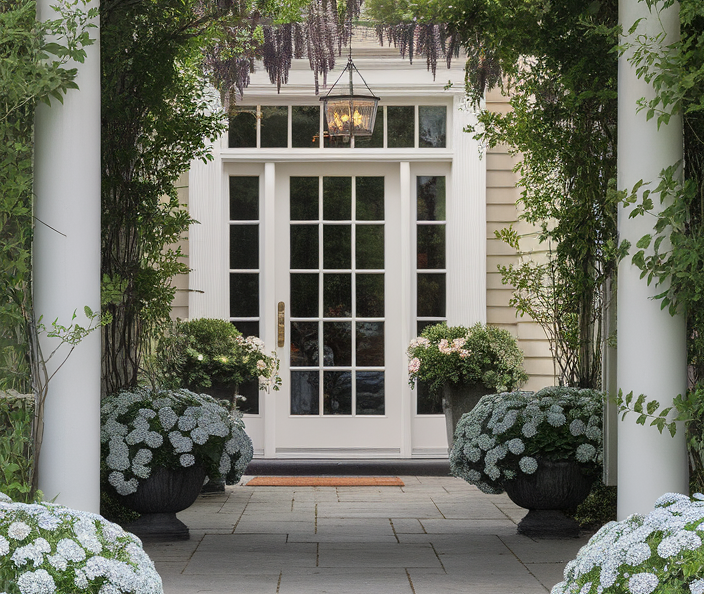
Plant matching hydrangeas on either side of your front walkway or front steps to create symmetry. It immediately makes the entrance feel more inviting and polished.
White hydrangeas are especially timeless, while soft blue or pink blooms add personality depending on your home’s style.
2. Create a Curved Garden Border

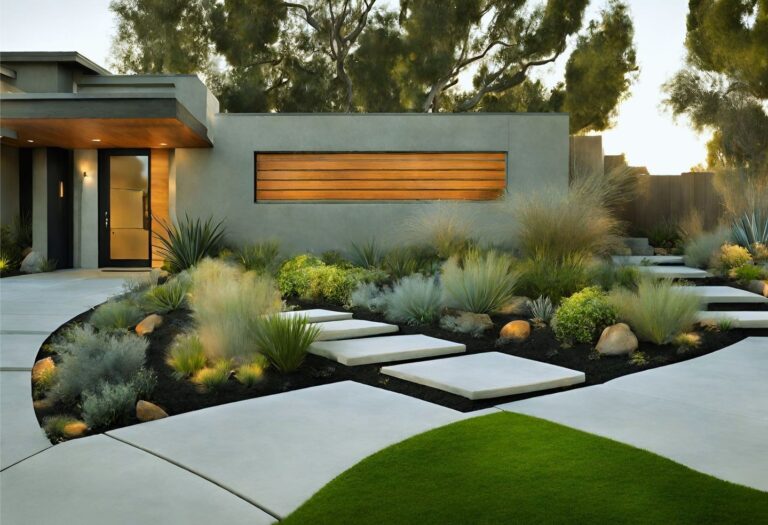
Instead of straight planting beds, try gentle curves that flow around the front lawn. Curved borders naturally soften the landscape and make the entire yard feel larger.
Hydrangeas look fantastic spaced along these sweeping beds, mixed with smaller shrubs and perennials.
3. Mix Different Hydrangea Varieties

Don’t feel like every shrub has to match.
Combining mophead, panicle, lacecap, and oakleaf hydrangeas creates texture that changes throughout the growing season. Different bloom shapes keep the garden interesting even when colors are similar.
4. Pair Hydrangeas with Boxwoods

Boxwoods provide evergreen structure while hydrangeas deliver the seasonal color.
The neat rounded shapes of boxwoods contrast beautifully with the larger flowering shrubs, giving your front yard a balanced look year-round.
5. Add a Stone Garden Edge

Natural stone edging gives flower beds a finished appearance while helping keep mulch where it belongs.
Hydrangeas spilling slightly over a stone border create a relaxed garden style that’s easy to maintain.
6. Plant Beneath Mature Trees

Many hydrangea varieties appreciate morning sun and afternoon shade.
If you have established trees in your front yard, the filtered light underneath can provide an ideal growing environment while filling empty spaces that often look difficult to landscape.
7. Layer Plants by Height

One of the easiest ways to make landscaping look professionally designed is by planting in layers.
Place taller shrubs behind hydrangeas, medium-sized perennials in front, and low-growing ground covers along the edge of the garden bed.
This creates depth without making the space feel crowded.
8. Build a Cottage Garden Look

Hydrangeas fit naturally into cottage-style gardens.
Mix them with roses, foxgloves, lavender, salvia, daisies, and flowering annuals for a relaxed, colorful display that changes throughout the season.
The key is allowing plants to blend together rather than arranging everything in perfectly straight lines.
9. Line a Front Fence

A row of hydrangeas softens wooden, vinyl, or metal fencing while adding privacy and color.
Leave enough spacing between each shrub so they can mature naturally without becoming overcrowded.
10. Brighten Dark Corners

Nearly every front yard has one area that feels forgotten.
A few hydrangeas planted alongside lighter-colored foliage can completely transform these darker corners into focal points.
Fresh mulch helps the blooms stand out even more.
11. Use White Hydrangeas for a Modern Landscape

If your home has clean architectural lines, white hydrangeas are hard to beat.
Pair them with black mulch, ornamental grasses, simple stone pathways, and minimalist planting beds for a landscape that feels crisp without looking cold.
12. Add Decorative Boulders

Large landscape rocks provide structure during winter when flowers aren’t blooming.
Hydrangeas growing around weathered boulders create a natural appearance that works particularly well in larger front yards.
13. Surround Your Mailbox

Instead of leaving your mailbox sitting in plain grass, create a small planting bed around it.
A compact hydrangea mixed with seasonal flowers instantly makes this everyday feature feel intentional.
Just be sure to leave enough space for easy mail delivery.
14. Include Ornamental Grasses

The soft movement of ornamental grasses pairs beautifully with the large blooms of hydrangeas.
The contrast between airy grass plumes and rounded flower heads adds interest long after the flowering season has ended.
15. Use Mulch to Make Blooms Pop

Fresh mulch is one of the simplest upgrades you can make.
Dark mulch makes white and pastel blooms stand out dramatically, while natural bark creates a softer woodland feel.
Besides improving appearance, mulch helps retain soil moisture and suppress weeds.
16. Plant Along a Curved Walkway

Hydrangeas planted beside winding front paths naturally guide visitors toward your entrance.
As the shrubs mature, they soften the hard edges of concrete or stone while making the walk feel more inviting.
Leave enough room so mature plants won’t overhang the path too much.
17. Mix Evergreen Shrubs with Seasonal Color

One mistake many homeowners make is relying entirely on flowering plants.
Mixing hydrangeas with evergreen shrubs means your landscape still has structure during autumn and winter after the flowers fade.
It’s a simple way to keep your front yard looking attractive throughout the year.
18. Add Landscape Lighting

Low-voltage garden lights completely change how hydrangeas look after sunset.
Warm lighting placed beneath flowering shrubs highlights their shape and creates a welcoming entrance without being overly bright.
It’s one of those finishing touches that often gets overlooked.
19. Design Around the Four Seasons

The best front yard landscapes aren’t only beautiful during spring.
Think about how your garden will look throughout the year by combining hydrangeas with evergreen shrubs, ornamental grasses, flowering bulbs, and plants that offer colorful fall foliage.
That way, there’s always something interesting happening in the garden no matter the season.
Choosing the Right Hydrangea
Not every hydrangea grows the same way, so it’s worth choosing a variety that suits your climate and available space.
Panicle Hydrangeas
These tolerate more sun than many other types and produce large cone-shaped flowers through summer into autumn.
Bigleaf Hydrangeas
Known for their classic blue and pink blooms, these prefer some afternoon shade in warmer climates.
Oakleaf Hydrangeas
Perfect if you want year-round interest. Their leaves develop beautiful red and burgundy tones during fall.
Smooth Hydrangeas
Easy to grow and dependable, making them a great choice for beginners.
Tips for Keeping Hydrangeas Looking Their Best
Hydrangeas reward a little care with months of beautiful flowers.
Water deeply during dry periods instead of giving frequent shallow watering. Apply mulch each spring to keep the soil cool and reduce evaporation.
Feed with a balanced slow-release fertilizer in early spring, and always check whether your particular variety flowers on old wood or new wood before pruning.
Giving plants enough space when you first install them also saves a lot of maintenance later, allowing good airflow and reducing disease problems.
Final Thoughts
Hydrangeas have a way of making almost any front yard feel more welcoming.
Whether you’re planting a pair beside the front door or redesigning the entire landscape, these shrubs bring texture, color, and a sense of maturity that’s hard to match.
The best part is that you don’t have to complete everything at once. Start with one garden bed, add a few healthy shrubs, and build from there.
Before long, your front yard will have the kind of curb appeal that makes coming home feel just a little bit more special.