16 Vegetables That Grow Well in Containers
Growing vegetables in containers makes it possible to enjoy a productive garden on a balcony, patio, porch, or other small outdoor space.
With the right pot size, sunlight, soil, and watering routine, many crops can grow successfully without a traditional garden bed.
These 16 vegetables are especially well suited to containers and offer a practical mix of quick harvests, compact growth, and reliable production.
1. Leaf Lettuce for Quick Container Harvests

Leaf lettuce is one of the easiest Vegetables in Containers for beginners because it grows quickly in shallow pots, window boxes, and balcony planters.
Choose loose-leaf varieties in green, red, or oakleaf forms, then sow seeds every few weeks for a steady supply of tender salad greens.
Harvest the outer leaves when they are young, leaving the center growing point intact so the plant keeps producing.
Use a rich, well-draining potting mix and keep the soil evenly moist. Position the container where plants receive bright light with some afternoon shade during hot weather to help prevent bolting.
2. Spinach for Cool-Season Containers

Spinach is a dependable choice for cool-season containers, especially when summer heat makes other leafy crops struggle.
Grow it in a wide bowl, trough, or medium pot filled with moisture-retentive potting mix. Sow seeds close together for baby leaves, or give plants more room if you want larger leaves for cooking.
Place the container in bright light during spring and fall, and protect it from intense afternoon heat. Harvest the outside leaves first so the central growth remains productive.
Succession sowing every few weeks can extend your supply, while moving pots into a sheltered spot may help plants continue producing during chilly weather.
3. Kale for Long-Lasting Leafy Greens

Kale earns a place in container gardens because it keeps producing long after many fast-growing greens have faded. Choose compact edible varieties such as curly kale or lacinato kale, and plant one or two in a sturdy pot with rich, well-draining soil.
A container at least 12 inches wide gives the roots room to develop.
Set kale in a sunny location and water whenever the surface soil begins to dry.
Harvest the lowest leaves first, leaving the central rosette growing. Regular picking encourages fresh foliage, while cool weather can improve the flavor. Use edible kale rather than ornamental types when your goal is a reliable harvest of cooking greens.
4. Swiss Chard for Colorful, Productive Pots

Swiss chard combines useful harvests with striking ornamental color, making it ideal for a productive container that also looks attractive.
Rainbow or Bright Lights varieties produce broad green leaves with stems in red, pink, orange, yellow, and white. Grow one or several plants in a deep pot filled with fertile, well-draining mix.
Place chard where it receives several hours of sun, then harvest the outer stalks and leaves as needed.
Cutting individual stems close to the base encourages the plant to replace them with fresh growth. Keep the soil consistently moist, especially in small containers, and combine colorful chard with herbs or flowers for a decorative edible display.
5. Radishes for Fast-Growing Root Crops

Radishes are among the quickest Vegetables in Containers, often ready to harvest within a month. Choose a pot, window box, or planter that is at least 6 inches deep, with drainage holes and loose potting mix.
Sow seeds directly because radishes dislike transplanting, then thin seedlings so roots have room to develop. Small varieties such as Cherry Belle, French Breakfast, or Easter Egg are especially reliable for compact spaces.
Keep the container in full sun during cool weather and maintain steady moisture for crisp, mild roots.
Sow a short row every two weeks for a continuous harvest. Pull radishes as soon as their shoulders reach edible size; leaving them too long can produce woody, overly spicy roots. The young greens are edible too.
6. Carrots in Deep Containers

Carrots grow especially well in Vegetables in Containers gardens when given enough vertical space. Use a container at least 12 inches deep for short and medium varieties, or 16 to 18 inches for longer carrots.
Fill it with fine, loose, stone-free potting mix so developing roots can grow straight without obstruction. Direct-sow seeds into the final container, cover them lightly, and thin seedlings to about 2 inches apart.
Place the pot in full sun and keep the mix evenly moist while seeds germinate and roots develop.
Compact varieties such as Little Finger, Parisian, or Chantenay are excellent choices for patios and balconies. Harvest when carrot shoulders appear above the soil, lifting gently to avoid snapping the roots.
7. Beets for Edible Roots and Greens

Beets are rewarding Vegetables in Containers because both the rounded roots and leafy tops can be harvested. Choose a pot at least 10 to 12 inches deep with drainage holes, then fill it with fertile, well-draining mix.
Sow the clustered seeds directly into the container and thin seedlings as they emerge. For smaller spaces, harvest baby beets early rather than waiting for oversized roots.
Keep the soil consistently moist and place the container where plants receive several hours of sunlight. Pick a few young leaves at a time for salads, leaving enough foliage to support root growth.
Pull beets when the shoulders reach golf-ball size for tender texture. Succession sowing every few weeks can provide a steady supply of roots and greens.
8. Green Onions for Small Pots

Green onions are ideal Vegetables in Containers for small patios, balconies, windowsills, and kitchen gardens. Use a pot or window box at least 30cm wide with drainage holes and fill it with quality potting mix.
Scatter seeds thinly across the surface, cover lightly, and water gently. Because the plants stay narrow, you can grow a generous crop in a relatively small container.
Place the pot in a sunny spot and keep the mix from drying out, especially during warm weather. Sow small batches every few weeks for a continuous supply.
Harvest individual onions when they reach the desired size, or cut the tops and allow plants to regrow. Their mild flavor makes them useful in salads, sandwiches, soups, and stir-fries.
9. Compact Tomatoes for Sunny Patios

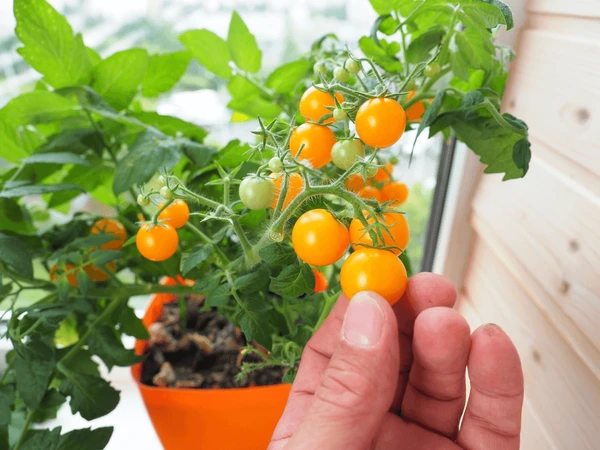
Compact tomatoes are among the most rewarding Vegetables in Containers, especially on a sunny patio. Choose dwarf, bush, cherry, or tumbling varieties that stay manageable in pots, such as ‘Tumbling Tom,’ ‘Patio,’ or ‘Hundreds and Thousands.’
Give each plant a container at least 12 inches wide with drainage holes, rich potting mix, and six to eight hours of direct sunlight.
Place the pot where it is easy to water and protect from strong wind.
Keep the soil evenly moist, feed regularly once flowers and fruit appear, and add a small cage or stake if branches become heavy. Harvest tomatoes when fully colored for the sweetest flavor.
10. Peppers for Warm, Sheltered Containers

Peppers thrive in warm, sheltered containers where dark pots can capture extra heat and plants can be moved away from cool winds.
Select compact bell peppers, jalapeños, lunchbox peppers, or patio varieties, and use a container at least 3 to 5 gallons in size. Set it in a spot with six to eight hours of sun and good air circulation.
Water deeply whenever the top inch of mix feels dry, but avoid soggy soil. A layer of mulch helps reduce evaporation, while occasional feeding supports flowering and fruit development.
Stake plants carrying many peppers, and move containers under cover if chilly nights threaten growth.
11. Cucumbers with Container Trellises

Cucumbers become much easier to manage in containers when their vines grow upward on a sturdy trellis.
Choose a compact or patio variety, then plant it in a broad, stable container filled with moisture-retentive potting mix. Install the support before planting so the roots are not disturbed later. An A-frame, wire panel, or bamboo wigwam can all work well.
Place the container in full sun and water consistently, because cucumbers can become bitter when the soil repeatedly dries out.
Guide young tendrils toward the trellis with soft ties, and harvest fruit frequently while it is crisp and tender. Vertical growth also improves airflow and keeps cucumbers cleaner.
12. Bush Beans for High-Yield Planters

Bush beans are excellent Vegetables in Containers when you want a generous harvest from a compact planter. Unlike pole beans, bush varieties form short, upright plants that usually need no trellis.
Choose a container at least 12 inches wide and deep, fill it with well-drained potting mix, and place it in full sun. Sow seeds directly after the soil has warmed.
Keep the mix evenly moist, especially during flowering and pod formation. Harvest beans every few days while the pods are slim and crisp; frequent picking encourages more production.
For a longer harvest window, sow a second container a couple of weeks after the first.
13. Peas for Vertical Container Gardening

Peas are one of the easiest Vegetables in Containers when you want to grow upward instead of outward.
Choose a deep pot with drainage holes, then position it beside a trellis, mesh panel, or sturdy teepee before planting. Compact snap, snow, and shelling varieties are especially practical for patios and balconies.
Sow peas directly into cool, well-drained potting mix and keep the soil evenly moist. As tendrils appear, guide them gently toward the support. Place the container where it receives bright sunlight, but protect it from intense late-season heat.
Harvest pods frequently to encourage the vines to keep producing, and choose a lightweight trellis that can be moved with the pot.
14. Eggplant in Large Containers

Eggplant rewards container gardeners with attractive foliage and glossy fruit, provided the pot is large enough for strong roots.
Use one plant in a container about 18 to 24 inches wide, filled with rich, well-draining potting mix. Compact or patio varieties are easier to manage, while larger types may need a stake or small cage for support.
Set the container in the sunniest location available, ideally where the plant receives several hours of direct light each day.
Water whenever the surface begins to dry, and feed regularly once flowers and fruit appear. Harvest eggplants while they are firm and shiny; leaving overripe fruit on the plant can reduce continued production.
15. Zucchini in Spacious Pots

Zucchini can thrive in containers, but its broad leaves and heavy fruit demand plenty of room. Choose a spacious pot or tub at least 20 inches wide with generous drainage, and plant a compact bush variety rather than a sprawling vining type.
A sturdy container helps prevent the plant from tipping as it grows.
Place the pot in full sun and use fertile potting mix enriched with compost. Zucchini drinks heavily, especially during flowering and fruit formation, so check moisture often and water deeply when the surface feels dry.
Inspect beneath the leaves for developing fruit, and harvest young zucchinis promptly to keep the plant producing steadily.
16. Potatoes in Grow Bags and Deep Containers

Potatoes are well suited to grow bags and deep containers because the harvest develops below the soil and can be collected without digging through a garden bed.
Choose a lightproof fabric bag or deep pot with drainage holes, then fill the bottom with several inches of loose potting mix. Plant seed potatoes with their sprouts facing upward.
As stems grow, gradually add more mix around them, leaving the newest foliage exposed.
This hilling method creates additional space for tubers while keeping developing potatoes covered. Water consistently, especially in warm weather, and let the foliage yellow and die back before harvesting. Empty the bag onto a tarp to gather the potatoes gently.
Container gardening can produce an impressive harvest when each vegetable has enough room, sunlight, and consistent moisture.
Start with a few crops that match your growing conditions, choose containers with good drainage, and refresh the soil between plantings. With thoughtful planning, vegetables in containers can turn even the smallest outdoor space into a productive garden.