Pothos Plant Care Tips: The Complete Guide to Growing Healthy, Lush Pothos
Pothos is one of the easiest houseplants to grow, but the right care routine can make the difference between sparse, stressed vines and full, vibrant growth.
Whether you are caring for your first pothos or want to improve an established plant, this guide covers the essential steps for choosing the right location, watering correctly, encouraging new leaves, and preventing common problems.
Choose the Right Pothos Variety for Your Home

Choose a pothos variety based on your room’s light, your preferred leaf color, and whether you want a trailing or compact plant.
Golden pothos is a dependable beginner choice with green leaves marked by yellow splashes and good tolerance for lower light. Jade pothos has solid green leaves and is especially forgiving.
Neon pothos provides bright chartreuse color, while Marble Queen, N’Joy, and Pearls and Jade offer attractive white or cream variegation.
Variegated varieties generally need brighter indirect light to maintain their patterns. In a dim room, they may grow more slowly or produce greener leaves.
Before buying, inspect the plant for firm stems, healthy foliage, and no visible pests. Match the mature growth habit to your space, using a hanging basket for trailing vines or a support for upward growth.
Provide the Best Light for Healthy Pothos Growth

Pothos grows best in bright, indirect light, such as the filtered light near an east-facing window or a spot a few feet from a brighter south- or west-facing window. Sheer curtains can soften intense rays.
Adequate light encourages fuller vines, larger leaves, and stronger variegation, especially on Marble Queen, N’Joy, and Pearls and Jade pothos.
Low light will not always kill a pothos, but growth may become sparse and variegated leaves may turn greener.
Direct hot afternoon sunlight can scorch the foliage, leaving pale, brown, or crispy patches. Rotate the pot every week or two so all sides receive even light, and move the plant gradually if you are changing its location.
Use the Right Soil and Pot for Pothos

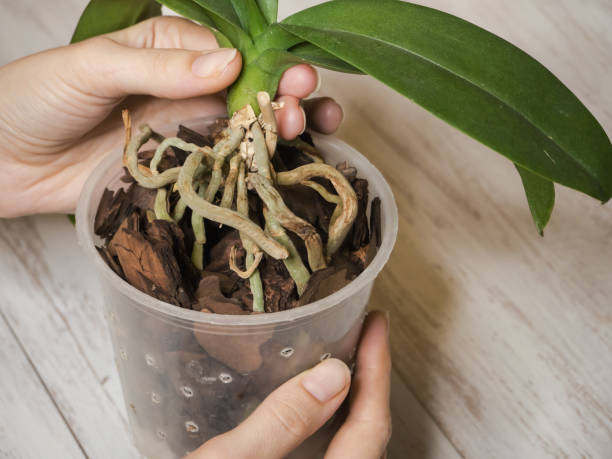
Use a loose, well-draining potting mix that holds some moisture without staying soggy. A quality indoor potting mix blended with perlite and fine orchid bark creates useful air pockets around the roots.
Avoid dense garden soil, which can compact inside a container and restrict drainage. Refresh the mix when it breaks down, smells sour, or remains wet for unusually long periods.
Select a pot with at least one drainage hole and choose a size only slightly larger than the current root ball.
An oversized container can hold excess moisture and increase the risk of root problems. Plastic nursery pots are practical for consistent moisture, while terracotta dries faster. Place a saucer underneath, but empty it after watering so the roots do not sit in water.
Water Pothos Correctly Without Overwatering

Water pothos when the top 1 to 2 inches of soil feel dry rather than following a fixed calendar. Insert a finger into the mix or lift the pot to judge its moisture level. When watering is needed, pour slowly over the soil until excess water flows from the drainage hole.
This thoroughly moistens the root ball and prevents dry pockets from forming.
Allow the pot to drain completely before returning it to its saucer or decorative cover. Persistent wet soil can deprive roots of oxygen and lead to yellow leaves, soft stems, or root rot.
If the plant is too dry, leaves may droop and the soil may pull away from the pot edge. Adjust frequency for light, temperature, pot size, and season.
Maintain Ideal Temperature and Humidity

Pothos grows best in steady indoor temperatures between 65°F and 85°F during the day.
Protect it from cold drafts, air-conditioner vents, radiators, and sudden temperature changes, which can cause leaf yellowing, curling, or slowed growth. Avoid placing the plant against a cold window during winter.
Moderate humidity keeps pothos leaves looking healthier, especially in dry homes. Aim for roughly 40–60% humidity using a small humidifier, a pebble tray with the pot above the waterline, or by grouping plants together.
A hygrometer makes it easier to monitor conditions. Occasional misting may offer brief moisture, but it does not replace consistent room humidity and can leave foliage wet for too long.
Feed Pothos for Strong, Lush Growth

Pothos is a light feeder, but regular nutrition supports stronger vines, larger leaves, and fuller growth. During spring and summer, apply a balanced, water-soluble houseplant fertilizer every four to six weeks.
Dilute it according to the label, or use a weaker solution if your plant is young, newly repotted, or growing in low light.
Water the plant lightly before feeding so fertilizer does not reach completely dry roots. Pour the diluted solution onto the soil rather than directly onto the leaves, and let excess drain away.
Avoid fertilizing a stressed, diseased, or dormant plant. Excess fertilizer can build up salts, causing brown leaf edges, weak growth, or root damage, so occasional plain-water flushing is helpful.
Prune Pothos to Create a Fuller Plant

Pruning keeps pothos compact, removes damaged foliage, and encourages new shoots near the cut points. Use clean, sharp scissors or pruning shears to shorten long, bare vines.
Make each cut just above a healthy leaf node, where new growth can emerge. Remove yellow leaves and weak stems at their base.
For a fuller plant, trim several vines at different lengths rather than cutting everything to the same height. This encourages branching throughout the pot and prevents a sparse, one-sided appearance.
Prune during active growth when possible, and avoid removing more than about one-third of the plant at once. Healthy cuttings can be saved for propagation or tucked back into the same pot.
Propagate Pothos Easily from Cuttings

Propagation is easiest from healthy stem cuttings. Choose a vine with several leaves and cut just below a leaf node, the small joint where a leaf and aerial root may appear.
Remove the lowest leaf so the node can sit in water without foliage becoming submerged.
Place the cutting in a clean glass of room-temperature water, keeping the leaves above the surface.
Set it in bright, indirect light and change the water weekly. Roots commonly begin developing within a few weeks. When they reach about 2–3 inches, transfer the cutting to a small pot of well-draining mix, or group several rooted cuttings in the parent pot for a fuller display. Keep newly potted cuttings evenly moist while they adjust.
Repot Pothos When It Outgrows Its Container

Repot a pothos when roots circle tightly around the root ball, emerge from drainage holes, push the plant upward, or leave the soil drying unusually fast. Choose a container only 1–2 inches wider than the current pot and make sure it has drainage holes.
A much larger container can hold excess moisture and increase the risk of root rot.
Slide the plant out gently and loosen tightly circling roots with your fingers. Trim only dead, black, or mushy roots with clean scissors.
Set the pothos at the same depth in fresh, airy potting mix, then water lightly. Keep it in bright, indirect light while it adjusts and avoid fertilizing for several weeks.
Identify and Solve Common Pothos Problems

Start by matching the symptom to the likely cause instead of changing several care habits at once.
Yellow lower leaves with consistently wet soil often indicate overwatering or poor drainage. Crispy brown edges usually point to dry soil, low humidity, or excess fertilizer. Faded variegation commonly means the plant needs brighter indirect light, while scorched tan patches suggest intense direct sun.
Inspect both leaves and roots before treating the problem.
Remove badly damaged foliage with clean scissors, correct the watering or light issue, and wait for new growth before judging recovery. If stems are soft, roots smell sour, or leaves keep collapsing, take the plant out of its pot and check for root rot.
Manage Pothos Pests and Diseases

Inspect pothos regularly, especially leaf undersides, stem joints, and new growth. Fine webbing and pale stippling may indicate spider mites; cottony clusters suggest mealybugs; raised brown bumps can be scale. Isolate an affected plant immediately, wash foliage with lukewarm water, and remove visible pests with a cotton swab.
Repeat treatment according to the product label because eggs and hidden insects can survive the first cleaning.
Disease problems are more likely when soil stays wet or leaves remain splashed. Use a pot with drainage, allow the upper soil to dry between waterings, and provide air movement.
Cut away badly spotted leaves with sterilized tools. Black, soft stems or foul-smelling roots require removal of infected tissue and fresh, clean potting mix.
Keep Pothos Safe Around Pets and Children

Pothos contains insoluble calcium oxalate crystals that can irritate the mouth and digestive tract if chewed. Keep every part of the plant—including fallen leaves, cuttings, and water from propagation jars—away from pets and young children.
Place it in a secure hanging planter, on a high shelf, or behind a barrier that curious hands and animals cannot reach.
If a child or pet chews the plant, remove any remaining pieces from the mouth and contact a pediatrician, veterinarian, or poison-control service for advice.
Watch for drooling, mouth pain, vomiting, difficulty swallowing, or breathing trouble. Do not assume a trailing vine is safe simply because it is a common houseplant.
With bright indirect light, well-draining soil, careful watering, and occasional pruning, pothos can remain healthy and attractive for years. Pay attention to changes in the leaves and vines, adjust care as needed, and your plant will reward you with steady, lush growth.