This Common Pothos Care Mistake Causes Yellow Leaves—Here’s How to Fix It
Pothos plants are famously easy to grow, yet yellow leaves can appear quickly when their roots stay too wet.
Overwatering is the most common care mistake, but poor drainage, inadequate light, pests, and natural aging can also be responsible.
This guide explains how to diagnose the problem, correct the cause, and keep your pothos healthy with simple, reliable care.
Why Pothos Leaves Turn Yellow

Yellow leaves are your pothos plant’s way of signaling stress. The most common causes include overwatering, poor drainage, underwatering, too much direct sunlight, cold temperatures, nutrient problems, pests, and disease.
A single older leaf turning yellow may simply be natural aging, especially when the rest of the plant looks healthy.
Look at the pattern before changing your care routine. Yellow leaves combined with wet soil usually point to excess moisture, while dry, crispy yellowing suggests the plant needs water.
If several leaves are fading at once, inspect the roots, pot, light exposure, and soil before assuming the problem is fertilizer-related.
The Most Common Mistake: Overwatering Your Pothos

Overwatering is one of the most common pothos care mistakes. It usually happens when you water on a fixed schedule instead of checking the soil first.
Pothos roots need both moisture and air; when the mix stays saturated, oxygen is pushed out and the roots begin to weaken or rot.
Let the top 1–2 inches of soil dry before watering again. Then water thoroughly until excess moisture flows from the drainage holes. Empty the saucer or decorative container afterward so the pot does not sit in standing water.
A pothos may recover after one mistake, but repeated soggy conditions can cause yellow leaves, drooping, leaf drop, and root damage.
How to Tell Whether Yellow Leaves Come From Overwatering

Check the leaves and soil together rather than relying on color alone. Overwatered pothos leaves are often soft, limp, or swollen instead of crisp.
Yellowing commonly begins with older, lower leaves, and more leaves may drop if the soil remains wet. The plant may also have weak stems, a musty smell, or blackened tissue near the soil line.
Push a finger about 1–2 inches into the soil. If it still feels wet several days after watering, excess moisture is likely involved. Underwatered pothos usually have dry soil and leaves that feel thin, curled, or crispy.
If the roots are brown, mushy, or foul-smelling, overwatering has likely progressed to root rot.
Check the Pot and Soil for Drainage Problems

A pothos can develop yellow leaves even when you are watering carefully if the pot or soil holds moisture too long.
Confirm that the nursery pot has open drainage holes and that water can escape freely. If the plant sits inside a decorative cachepot, remove it after watering and pour out any collected water.
Dense, compacted soil can create the same problem as a pot without holes. Healthy pothos soil should be light and airy, allowing water to pass through while leaving oxygen around the roots.
If the mix stays wet for many days, repot into fresh, well-draining soil and inspect the roots for brown, mushy sections before replanting.
How to Inspect Pothos Roots for Rot

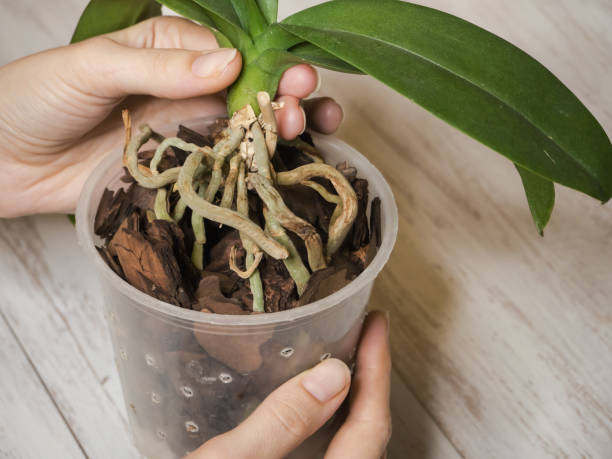
Start by sliding the pothos gently from its pot while supporting the stems and soil. Brush or rinse away enough potting mix to see the root system clearly.
Healthy roots are usually firm and white, cream, or light tan. Roots affected by rot may be dark brown or black, soft, slimy, hollow, or unpleasant-smelling. Yellow leaves combined with constantly wet soil are strong warning signs.
Use sterilized scissors to remove every mushy section, cutting back to firm tissue.
Keep healthy roots attached, then rinse away loose soil before repotting. If most roots have rotted, save several firm vine cuttings as insurance and root them separately in clean water or fresh propagation medium.
Steps to Save a Pothos With Yellow Leaves

First, check the soil before adding more water. If it feels wet several inches down, move the plant away from its cachepot or saucer and let excess water drain.
Inspect the roots if the soil smells sour, stays wet for days, or the stems feel soft. Remove yellow leaves only when they are fully yellow or drying, using clean scissors.
For overwatered plants, trim damaged roots and repot into a small container with drainage holes and airy, well-draining mix.
Place the recovering pothos in bright, indirect light and wait until the upper layer of soil dries before watering again. Yellow leaves will not turn green, so judge recovery by firm stems and healthy new growth.
How to Repot a Waterlogged Pothos Correctly

Choose a clean pot with drainage holes that is only slightly larger than the remaining root ball.
Remove the pothos from its container and discard soggy soil, especially if it smells sour or clings heavily to rotten roots. Rinse the roots gently, cut away black or mushy sections, and allow the plant to drain while you prepare fresh mix.
Use a loose indoor potting mix amended with perlite, bark, or another material that improves airflow.
Set the pothos at the same depth as before, keeping the crown and stems above the soil line. Do not pack the mix tightly. Wait briefly before watering, then water lightly and place the plant in bright, indirect light while it recovers.
The Right Light Level for Healthy Green Leaves

Pothos grows best in bright, indirect light: close enough to a window to receive strong ambient daylight, but protected from harsh afternoon rays.
An east-facing window or a spot a few feet back from a brighter south- or west-facing window usually works well. Sheer curtains can soften intense sunlight without making the room too dim.
Too little light can cause slow growth, long spaces between leaves, and fading variegation.
Too much direct sun may bleach, yellow, or scorch the foliage. Move the plant gradually rather than making a sudden dramatic change. Rotate the pot every week or two so all sides receive even light and new leaves develop evenly.
How Often to Water a Pothos Plant

Water a pothos when the top 1 to 2 inches of potting mix feels dry, rather than following a strict calendar. Indoor conditions change with light, temperature, pot size, and humidity, so your plant may need water weekly during active growth and less often in winter.
Push your finger into the soil or use a moisture meter before watering.
When it is time, water slowly and thoroughly until excess drains from the bottom holes.
Empty the saucer so the roots do not sit in standing water. If the soil stays wet for many days, use a better-draining mix or a smaller pot with drainage. Consistently soggy soil is a common cause of yellow leaves and root damage.
Other Causes of Yellow Leaves, Including Pests and Nutrient Stress

Yellow leaves do not always mean your pothos was overwatered. Older leaves may naturally yellow and drop, while too much direct sun can bleach or scorch foliage.
Low light, cold drafts, sudden temperature changes, compacted soil, and underwatering can also create stress. If the newest leaves are pale, growth is weak, or the plant has not been fed for months, nutrient deficiency may be involved.
Inspect both sides of the leaves and the stem joints for fine webbing, sticky residue, cottony insects, or small bumps.
Spider mites, mealybugs, scale, and thrips can cause yellow speckling. Isolate affected plants, rinse the foliage, remove visible pests, and follow up with insecticidal soap according to the label.
How to Prune Yellow Leaves and Damaged Roots

Use clean, sharp scissors to remove completely yellow, brown, spotted, or badly damaged leaves. Cut the leaf stem close to the main vine without nicking healthy growth.
Do not remove every slightly pale leaf at once; the plant can still use partially green foliage to make energy. Wipe the blades with rubbing alcohol between cuts, especially when disease or rot is suspected.
If yellowing continues while the soil is wet, inspect the roots. Slide the pothos from its pot, brush away loose soil, and cut off roots that are black, brown, soft, or hollow. Keep firm, pale roots, then repot into fresh, airy mix in a pot with drainage. Wait until the upper soil dries before watering again.
A Simple Pothos Care Routine to Prevent Yellow Leaves

Build your routine around quick weekly checks instead of automatic watering. Feel the top layer of soil, examine the leaves for yellowing or pests, and confirm that the pot is draining freely.
Keep the plant in bright, indirect light, away from cold drafts and hot air vents. Rotate the pot occasionally so growth stays balanced and the foliage receives even light.
During spring and summer, feed with a half-strength balanced houseplant fertilizer about once a month if the plant is actively growing.
Prune damaged leaves promptly, wipe dust from healthy foliage, and repot only when roots fill the container or drainage becomes poor. In winter, reduce watering and stop feeding if growth slows. These simple pothos plant care tips prevent most avoidable stress.
Yellow pothos leaves are usually a warning that the plant’s roots are staying too wet, not a sign that the entire plant is failing.
Let the soil partially dry, improve drainage, provide bright indirect light, and remove damaged growth while you correct the underlying problem. With consistent care and regular checks, your pothos can recover and produce healthy new leaves.