16 Best Low-Light Indoor Plants for Shady Rooms
A shady sitting room, hallway or north- or south-facing corner can feel a wee bit bare, especially when sun-loving plants keep sulking.
Low light still means usable natural light, or a suitable grow light—not a cupboard.
Here are 16 reliable choices, with practical notes on placement, watering, size, pet safety and which plants cope best with genuinely dim rooms.
Low Light Plant Examples


Detailed Guide

What Low Light Really Means
Low light is not the same as no light.
A plant may cope with a dim room, but it still needs usable daylight from a nearby filtered window, or light from a suitable grow light.
The University of Minnesota Extension describes low light in practical terms, such as light bright enough to read a newspaper, with north-facing windows and darker corners often fitting that description.
In a windowless room, a plant left under ordinary ceiling lights is unlikely to grow well for long.
A full-spectrum LED grow light on a timer can make the difference, especially through short winter days.
Growth will usually be slower in a genuinely dim spot, and flowering plants may produce more leaves than blooms.
That is perfectly fine, as long as you choose a plant for foliage rather than expecting a jungle overnight.
As a rough visual guide, place low-light plants close to a bright window with filtered light, or several steps back from a stronger window where direct sun is softened by a curtain.
Keep leaves away from frosty glass, heaters and cold draughts.
How to Match a Plant to the Room
Before choosing a plant, look at the room at the time you normally use it.
A corner that seems bright at midday may be surprisingly gloomy in the morning, during winter or beneath heavy curtains.
- Check the distance from the window. Light drops quickly as you move deeper into a room.
- Notice seasonal changes. In New Zealand, shorter winter days may mean moving plants closer to the brightest window. In the USA, winter heating can dry the air, while summer air conditioning may create cool draughts.
- Match the plant’s size to the furniture. A parlor palm needs vertical breathing room, while peperomia suits a small shelf.
- Consider pets before styling. A trailing pothos may look lovely on a bookcase but be far too tempting for a curious cat.
Indoor conditions matter more than outdoor hardiness zones here.
Heating, air conditioning, window direction, humidity and watering habits will shape a houseplant’s success far more than the climate outside.
Quick Comparison of the 16 Plants
| Plant | Suitable placement | Watering cue | Pet-safety note |
|---|---|---|---|
| Cast-iron plant | Dim floor corner | Let the upper mix dry | Verify species before pet access |
| ZZ plant | Hallway or office | Water when mostly dry | May be unsafe if chewed |
| Snake plant | North-facing window | Wait until mix is dry | May be unsafe if chewed |
| Golden pothos | Trailing shelf | Water when top layer dries | May be unsafe if chewed |
| Heartleaf philodendron | Filtered-light bookcase | Let the surface dry slightly | May be unsafe if chewed |
| Chinese evergreen | Warm, shaded room | Water when upper mix dries | May be unsafe if chewed |
| Peace lily | Humid, filtered-light spot | Water before it wilts | May be unsafe if chewed |
| Parlor palm | Bright edge of a room | Keep lightly moist, not soggy | Verify species before access |
| Dracaena | Tall room corner | Let the top layer dry | May be unsafe if chewed |
| Lucky bamboo | Small table or desk | Keep water or mix fresh | May be unsafe if chewed |
| Prayer plant | Warm, indirect light | Water when barely dry | Verify species before access |
| Nerve plant | Humid shelf or terrarium | Do not let it dry hard | Verify species before access |
| Spider plant | Bright-edge hanging basket | Water when partly dry | Check current veterinary guidance |
| Peperomia | Compact shelf | Allow more drying between drinks | Verify species before access |
| English ivy | Cool, bright indoor position | Water when the surface dries | May be unsafe if chewed |
| Rubber plant | Brighter window edge | Let the upper mix dry | Check current veterinary guidance |

The 16 Plants, with Honest Limitations
Best choices for genuinely dim corners
Cast-iron plant (Aspidistra elatior) grows slowly to roughly 60–90 cm (24–36 in) and is one of my first choices for a dim living-room corner.
Let the top few centimetres of a free-draining mix dry before watering.
Use a sturdy pot with drainage, and remember that even a cast-iron plant cannot live in a cupboard.
ZZ plant (Zamioculcas zamiifolia) usually reaches about 60–90 cm (24–36 in).
Its thick stems and underground rhizomes suit forgetful watering, so wait until the mix is mostly dry.
It may become leggy or grow very slowly in deep shade.
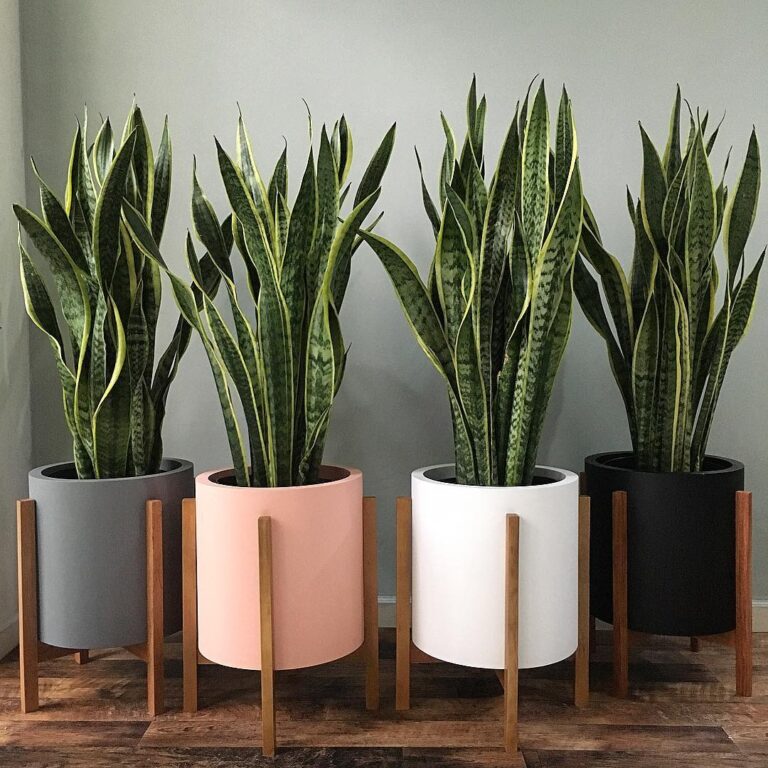
Snake plant (Dracaena trifasciata) ranges from compact forms around 30 cm (12 in) to tall types near 120 cm (47 in).
It tolerates shade and needs little watering; Penn State Extension notes that it handles low light well but still prefers well-drained mix.
Water only when the potting mix is dry, and use a heavy pot for tall leaves.
Golden pothos (Epipremnum aureum) can trail 120–240 cm (4–8 ft), making it useful on a high shelf.
Water when the top layer dries and trim long vines if they become sparse.
Variegated forms generally need more light than green ones and may lose their pattern in a dark room.
Heartleaf philodendron (Philodendron hederaceum) can trail 90–180 cm (3–6 ft).
Give it filtered light, a pot with drainage and a drink when the surface has dried slightly.
Too little light produces long gaps between leaves, while too much water can soften the roots.
Chinese evergreen (Aglaonema) grows roughly 45–90 cm (18–36 in), depending on the type.
It suits a warm, shaded room and should be watered once the upper mix feels dry.
Colourful or highly variegated leaves usually need brighter indirect light than plain green forms.
Peace lily (Spathiphyllum) commonly reaches 40–90 cm (16–36 in).
It prefers evenly lightly moist mix, but never standing water, so empty the saucer after watering.
It can droop dramatically when thirsty, although repeated wilting will not improve its long-term appearance.
Parlor palm (Chamaedorea elegans) may reach 60–120 cm (24–47 in) indoors.
Place it in bright filtered light rather than the darkest corner, water when the upper layer dries and keep it away from heating vents.
Dry air can leave the leaf tips brown.
Good options for brighter edges and careful styling
Dracaena (Dracaena fragrans) offers a tall, architectural shape and may grow 120–180 cm (4–6 ft) indoors.
Let the top few centimetres dry, then water thoroughly through a draining pot.
Very dark rooms can leave the stems thin and the foliage sparse.
Lucky bamboo (Dracaena sanderiana) is usually kept at 30–90 cm (12–36 in).
It works on a desk with filtered light, either in water or a well-drained mix.
Refresh stagnant water regularly, and do not assume its name makes it a true bamboo or automatically safe for pets.
Prayer plant (Maranta leuconeura) stays fairly compact at 30–45 cm (12–18 in).
It likes warm, indirect light, moderate humidity and mix that is just beginning to dry.
Cold draughts, dry heater air and hard tap water can all show up as crisp leaf edges.
Nerve plant (Fittonia) usually stays near 15–30 cm (6–12 in).
A humid shelf, bathroom with a window or open terrarium suits it better than a dry lounge.
Water when the surface is only just drying, but provide drainage so the roots do not sit wet.
Spider plant (Chlorophytum comosum) reaches around 30–60 cm (12–24 in), with trailing plantlets adding extra length.
It tolerates lower light but looks fuller near a brighter window.
Let the top layer dry before watering, and watch for brown tips if the air is dry or salts build up in the mix.
Peperomia species generally stay between 15–30 cm (6–12 in).
They are handy for a small shelf because their thicker leaves store some moisture.
Let the mix dry more than you would for a prayer plant, and avoid large pots that hold wet compost around a small root system.
English ivy (Hedera helix) can trail 90–180 cm (3–6 ft), but it is best kept in a cool, bright indoor position with good airflow.
Water when the surface dries and prune regularly.
Warm, dry rooms can encourage pests and stressed foliage, so it is not my first choice beside a heater.
Rubber plant (Ficus elastica) is the brighter-edge option, often reaching 120–240 cm (4–8 ft) indoors.
It may tolerate less light for a while, but it grows better near bright filtered light.
Let the upper mix dry, wipe its broad leaves and expect leaf drop if you move it suddenly between very different conditions.

Watering and Drainage in Dim Conditions
Low light usually means slower growth and slower drying, which makes overwatering the common trap.
Use a pot with a drainage hole and a free-draining indoor mix rather than watering by the calendar.
- Feel the top layer of mix with a clean finger or use a wooden skewer.
- Water only when that plant’s preferred surface has dried.
- Water thoroughly until a little runs from the drainage hole.
- Empty the saucer so the pot is not standing in water.
A decorative cachepot is fine, but lift the nursery pot out to water it properly.
If the mix stays wet for many days, move the plant slightly closer to usable light and check that the pot is not too large.

Light, Heating and Seasonal Adjustments
Rotate plants occasionally so one side does not lean towards the window.
In winter, move them closer to the brightest safe position rather than increasing watering automatically.
In heated homes, group humidity-loving plants together, but leave enough space for air to move between leaves.
Brown tips often point to dry air, inconsistent watering or mineral build-up.
Leggy growth usually means the plant wants more light.
Yellow leaves in a dim room are often a reason to inspect wet mix and drainage before reaching for more water.
Fungus gnats are another clue that the compost is staying damp for too long.
Pet Safety and Sensible Placement
Several plants in this guide, including pothos, philodendron, peace lily, Chinese evergreen, ZZ plant, dracaena and English ivy, may cause problems if chewed.
The ASPCA’s houseplant guidance lists these plants among those that can irritate pets or cause gastrointestinal symptoms.
Check the current ASPCA database or ask a trusted local veterinary professional before bringing a plant into reach of cats, dogs or children.
Place questionable plants on stable stands, behind a barrier or in rooms pets cannot enter.
Do not rely on a plant label that simply says “low maintenance”; that tells you nothing about pet safety.
Small Maintenance Habits That Help
Wipe dust from broad leaves with a soft, damp cloth, check the underside for pests and turn the pot a little every few weeks.
Use a simple grow light where daylight is genuinely scarce, keeping it at the recommended distance rather than pressing it against the foliage.
If you are unsure, start with a cast-iron plant, ZZ plant or snake plant.
Choose the one that matches the actual light, place it in a draining pot and watch how quickly the mix dries before settling into a routine.
Move it seasonally rather than abandoning it at the first yellow leaf; even the toughest indoor plant still needs a wee bit of light.
Ideas
1. Cast-Iron Plant (Aspidistra elatior) for the Dimmest Living Corners

Cast-iron plant suits a shady sitting-room corner, hallway or north-facing window with filtered light.
It grows slowly to roughly 60–90 cm (24–36 in), so it won’t swallow the furniture.
Let the top layer of mix dry before watering, and use a draining pot.
It tolerates dim conditions, but not a cupboard; low light still needs to be usable.
It’s generally regarded as non-toxic to pets, though chewing any plant is best discouraged.
2. ZZ Plant (Zamioculcas zamiifolia) for Forgiving, Slow Growth

ZZ plant is a sensible pick for a dim shelf or office corner, reaching about 60–90 cm (24–36 in) indoors.
Its growth slows in low light, so wait until the mix is noticeably dry before watering; crowded, wet roots are a bigger worry than missed drinks.
Choose a pot with drainage and keep it away from heaters.
It may be unsafe if chewed by pets, so place it beyond reach.
3. Snake Plant (Dracaena trifasciata) for Dry, Shady Rooms

Snake plant handles shade and dry indoor air better than many leafy houseplants, making it useful beside a desk or in a darker bedroom.
Most stay around 30–90 cm (12–36 in), depending on form.
Water only after the mix has dried well, and use a free-draining pot.
Penn State Extension also notes its broad light tolerance and minimal watering needs.
Keep it away from pets that chew, as it may be unsafe.
4. Golden Pothos (Epipremnum aureum) for a Trailing Shelf

Golden pothos brings soft movement to a shelf, bookcase or hanging planter, with vines that can trail well beyond 90 cm (36 in).
Let the top layer of mix dry before watering, then drain it thoroughly.
Green forms cope better with lower light; golden variegation may fade.
Keep it away from pets, because chewed pothos can cause irritation.
Avoid placing it beside a heater, where leaves quickly look a wee bit miserable.
5. Heartleaf Philodendron (Philodendron hederaceum) for Soft Green Foliage

Heartleaf philodendron suits a filtered-light shelf or hanging pot, where its soft vines can trail.
Let the top 2–3 cm (1 in) of mix dry, then water into a pot with drainage.
It grows more slowly in dim rooms and may become leggy.
Keep it away from pets; it may cause irritation if chewed.
RHS guidance supports indirect light and slightly drying compost.
6. Chinese Evergreen (Aglaonema) for a Gentle Low-Light Statement

Chinese evergreen makes a calm, leafy statement on a side table or in a hallway with filtered light.
Water when the upper layer feels dry, using a free-draining mix rather than leaving roots soggy.
Green forms handle dimmer spots best; patterned leaves need more light.
Keep it away from pets, as chewing may be harmful.
7. Peace Lily (Spathiphyllum) for a Moist, Filtered-Light Spot

Peace lily is a good choice for a warm bathroom or softly lit room, provided it receives usable filtered light.
Water when the surface begins to dry, but don’t keep the pot standing in water.
It may droop dramatically when thirsty, then recover after watering.
Flowers are less reliable in deep shade, and it’s unsafe for pets if chewed.
8. Parlor Palm (Chamaedorea elegans) for a Softer Vertical Shape

Parlor palm adds gentle height beside a desk, armchair or north-facing window with filtered light, usually reaching about 30–60 cm (12–24 in) indoors.
Water when the top layer dries, and use a draining pot.
Dry heated air can brown the fronds, while growth remains slow in dim corners.
It’s regarded as non-toxic to cats and dogs.
9. Dracaena (Dracaena fragrans) for a Tall, Architectural Accent

Dracaena fragrans brings height to a dim sitting-room corner, usually growing about 120–180 cm (47–71 in) indoors.
It tolerates filtered light, though growth will be slower away from a window.
Let the top few centimetres of mix dry before watering, then drain thoroughly.
Use a sturdy pot so the tall stems don’t wobble, and keep it away from heaters and cold glass.
ASPCA lists it as toxic to dogs and cats, so choose placement carefully.
10. Lucky Bamboo (Dracaena sanderiana) for a Small Table Display

Lucky bamboo (Dracaena sanderiana) suits a small desk, bathroom shelf or side table where filtered light is available.
It stays compact, often around 30–90 cm (12–36 in), and can be grown in water or a draining potting mix.
Refresh water regularly if it’s grown hydroponically, or water when the upper mix begins to dry.
Direct sun can scorch the leaves, while very dark corners produce weak growth.
Because common names can be confusing, check the exact plant with your vet before placing it near pets.
11. Prayer Plant (Maranta leuconeura) for Pattern in Indirect Light

Prayer plant (Maranta leuconeura) adds patterned leaves to a softly lit shelf without needing harsh sun.
Keep it near filtered daylight, ideally where the mix stays lightly moist but never soggy.
Water when the surface begins to feel dry, using a draining pot.
Dry heated air and cold draughts can crisp the leaf edges, so a warm bathroom or protected shelf is kinder than a chilly windowsill.
Prayer plants are generally regarded as pet-friendlier; still, confirm the exact plant name with your veterinary source.
12. Nerve Plant (Fittonia) for a Humid Shelf or Terrarium

Nerve plant (Fittonia) stays low and spreading, usually around 15–30 cm (6–12 in), making it lovely for a humid shelf, bathroom or open terrarium.
Give it bright filtered light rather than a genuinely dark corner, and water when the surface just begins to dry.
It wilts dramatically when thirsty, but repeated drying can leave it tatty.
Good drainage still matters, even in humid rooms.
ASPCA lists nerve plant as non-toxic to cats and dogs, though nibbling is best discouraged.
13. Spider Plant (Chlorophytum comosum) for a Bright-Edge Hanging Basket

Spider plant (Chlorophytum comosum) suits a bright-edge position where filtered daylight reaches its arching leaves.
A hanging basket beside a window or skylight keeps the plant visible without asking it to perform in a gloomy hallway.
Water when the top layer of mix feels dry, then let excess drain fully.
It may produce fewer plantlets in lower light, and brown tips often point to dry air or inconsistent watering.
ASPCA lists spider plant as non-toxic to cats and dogs.
14. Peperomia for Compact Leaves and Careful Watering

Peperomia works well when you want a small plant for a dimmer desk, bookcase or bedside table.
Its thick leaves hold some moisture, so I’d choose a modest pot with drainage rather than a large container that stays wet for ages.
Water when the mix has dried noticeably through the upper layer, and use a loose indoor mix.
Low light can slow growth and soften colouring.
Peperomia varieties differ, so check the exact name; ASPCA lists blunt-leaf peperomia as non-toxic to cats and dogs.
15. English Ivy (Hedera helix) Where Indoor Conditions Allow

English ivy (Hedera helix) can trail attractively from a shelf or raised planter where there’s steady filtered light and reasonable airflow.
It’s better suited to a cooler, brighter room than a warm, stagnant corner, where pests and tired-looking foliage can become a nuisance.
Water when the surface begins to dry, and never leave the pot sitting in water.
Keep vines away from heaters and curious pets: ASPCA identifies Hedera helix as toxic to cats and dogs.
16. Rubber Plant (Ficus elastica) as a Brighter-Edge Option

Rubber plant (Ficus elastica) is a brighter-edge choice rather than a true dim-room champion.
Place it near a filtered window where its broad leaves can hold their shape; a dark corner may keep it alive for a time but usually leads to slow, sparse growth.
Let the top few centimetres of mix dry before watering, then drain thoroughly.
Wipe dust from the large leaves and avoid cold glass or heating vents.
Don’t assume it’s pet-friendly—keep it out of reach and check the exact plant with your veterinary source.
Common Mistakes

Low-light rooms can be wonderfully calm, but they do ask for realistic expectations.
A plant may tolerate a dim corner without growing quickly there, and the difference matters.
University of Minnesota Extension notes that plants use less water in lower light, while supplemental lighting can help when natural daylight is limited.
Mistaking Low Light for No Light
A shady sitting room, hallway or north-facing corner can still offer usable light if you could comfortably read a newspaper nearby during the day.
A windowless room, however, is a different story.
Without natural daylight or a suitable grow light, a plant will eventually run short of the energy it needs, no matter how forgiving its reputation is.
If foliage looks pale, stretched or unusually sparse, move the plant closer to filtered daylight before changing everything else.
A simple grow light on a timer can help in a room with no window, but even a tough cast-iron plant can’t live indefinitely in a cupboard.
It’s a plant, not a decorative potato.

Watering on a Calendar
Watering every Sunday sounds tidy, but indoor conditions don’t keep such a dependable timetable.
In low light, growth slows and potting mix may stay damp for much longer, particularly in a large pot or a cool room.
Instead, press a finger into the upper layer of mix and lift the pot if it’s small enough to judge by weight.
Water according to the plant’s moisture needs, then let excess drain fully.
If yellow leaves appear while the mix remains wet, pause before adding more water and check the drainage hole, pot size and airflow.

Pushing Plants Too Far from Usable Light
A plant can look charming on a distant bookcase, but several metres from a window may be too much of a stretch.
Decorative corners are often darker than they appear to our eyes, especially beside deep shelving, heavy curtains or dark walls.
Try placing the plant where its leaves still receive indirect daylight, or add a grow light if the furniture must stay put.
Rotate it occasionally so one side doesn’t do all the reaching.

Ignoring Seasonal Indoor Changes
Daylight shifts indoors even when the room temperature feels steady.
During winter in New Zealand, plants may need moving closer to a bright window as shorter days reduce available light.
In the United States, winter heating can dry the air, while summer air conditioning may create cool draughts.
Keep foliage away from heaters, vents and cold glass, and reassess watering rather than copying last season’s routine.
Indoor conditions matter more here than the plant’s outdoor hardiness zone.
Expecting Fast Growth or Strong Variegation
Lower light usually means slower growth, fewer flowers and, in variegated plants, less vivid colouring or greener new leaves.
That isn’t necessarily a sign of failure; the plant may simply be conserving energy.
Give it time, clean dusty leaves gently and move it to brighter filtered light when you want stronger growth or clearer patterning.
A little patience is kinder than feeding more often, which won’t make up for missing light and may leave the roots under pressure.
FAQs

Can houseplants grow in a room without windows?
Not indefinitely without help.
Low light still means usable light, such as filtered daylight near a window, or light from a suitable grow light.
If you could comfortably read a newspaper in the space during the day, there may be enough light for tolerant foliage plants, though growth will be slower.
A completely windowless room needs artificial lighting on a regular schedule, not just the occasional flick of a lamp.
Even a tough cast-iron plant can’t live in a cupboard; it’s a plant, not a decorative potato.
Which plants tolerate low light best?
For genuinely dim rooms, I’d start with cast-iron plant, ZZ plant or snake plant.
They cope well with lower light and usually prefer drying a little between waterings.
Pothos, heartleaf philodendron, Chinese evergreen and dracaena are useful choices when the room has indirect daylight but isn’t especially bright.
Remember that variegated forms often need more light to keep their pattern, while green-leaved forms are generally the steadier choice for a shady corner.
Snake plant is particularly adaptable, including to shade, and has modest watering needs, as noted by Penn State Extension.
How often should I water plants in low light?
Check the potting mix rather than following a weekly calendar.
Lower light usually means slower growth and slower drying, so watering too often is a common cause of yellow leaves and soft roots.
Press a finger into the top few centimetres of mix, then water when that plant’s preferred upper layer has dried.
Use a pot with drainage holes, soak the mix thoroughly, and let excess water drain away.
A cool room, large pot or heavy soil may mean longer intervals between waterings.
How can I tell whether my plant needs more light?
Look for stretched stems, unusually large gaps between leaves, pale new growth, fewer leaves or variegation fading to green.
A plant leaning strongly towards one side is also asking for brighter filtered light.
Move it closer to a window gradually, avoiding harsh direct sun if the leaves are used to a dim room.
Lower light naturally gives slower growth, so don’t mistake patience for failure.
University of Minnesota Extension describes low light in practical terms, including spaces bright enough to read in.
Can a grow light replace natural daylight?
Yes, a suitable grow light can provide the light a plant needs when daylight is weak or absent, but it must be close enough, bright enough and used consistently.
Follow the light’s instructions rather than guessing from appearance, and use a timer if that makes the routine easier.
A grow light won’t fix waterlogged mix, poor drainage or cold draughts, so treat it as one part of the setup.
For a dark hallway or windowless office, it may be the difference between a plant merely enduring and actually producing healthy new growth.
Start with the plant that matches your room as it is, not as you wish it might be, and use a pot with a drainage hole.
Watch how quickly the mix dries before settling into a routine.
A cast-iron plant, ZZ plant or snake plant is a sensible first choice, but even the toughest houseplant needs a wee bit of light.
If it struggles, try moving it seasonally before giving up.