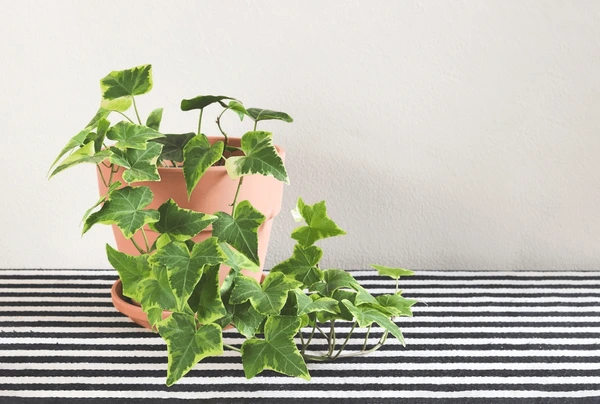

15 Common Houseplant Pests (With Photos, Identification & Natural Treatments)
There’s nothing more frustrating than watching a healthy houseplant suddenly develop yellow leaves, sticky residue, tiny webs, or mysterious holes. In many cases, the culprit is one of several common houseplant pests that thrive indoors.
The good news is that most indoor plant pests can be controlled if you catch them early.

Learning how to identify the signs and choosing the right treatment can save your plants before the damage becomes severe.
In this guide, you’ll learn how to recognize the most common houseplant pests, what damage they cause, and the safest ways to eliminate them naturally.
Why Do Houseplants Get Pests?

Indoor plants may seem protected from insects, but pests often hitchhike into your home on:
- New plants from garden centers
- Fresh flowers
- Potting soil
- Open windows
- Outdoor plants brought inside
- Contaminated gardening tools
Dry indoor air and stressed plants also make infestations much more likely.
Signs Your Houseplant Has Pests


Look for these early warning signs:
- Yellowing leaves
- Brown spots
- Tiny holes
- Sticky leaves
- Fine webbing
- Cotton-like white patches
- Small flying insects
- Black bugs in the soil
- Distorted new growth
- Leaves dropping unexpectedly
Checking the undersides of leaves once a week can help catch infestations before they spread.
1. Spider Mites


Spider mites are among the most destructive indoor plant pests. Although they resemble tiny spiders, they’re actually arachnids and reproduce incredibly quickly in warm, dry homes.
Identification
- Tiny red, brown, or pale dots
- Fine webbing between leaves
- Usually found underneath foliage
Damage
- Yellow speckled leaves
- Leaf discoloration
- Crispy foliage
- Premature leaf drop
Plants They Love
- Monstera
- Calathea
- Alocasia
- Fiddle Leaf Fig
- Ivy
Natural Treatment
- Rinse leaves thoroughly.
- Increase humidity.
- Spray with insecticidal soap every 5–7 days.
- Wipe leaves regularly.
2. Fungus Gnats


Fungus gnats are tiny black flies that hover around houseplants. While adults are mostly annoying, their larvae feed on roots in constantly wet soil.
Identification
- Small black flying insects
- Found around soil
- Larvae live beneath the surface
Damage
- Weak growth
- Seedling damage
- Root injury
- Wilting
Natural Treatment
- Allow soil to dry between watering.
- Use yellow sticky traps.
- Water with diluted hydrogen peroxide (3% peroxide mixed at 1 part peroxide to 4 parts water) occasionally to reduce larvae.
- Replace heavily infested soil if necessary.
3. Mealybugs


Mealybugs are easy to recognize thanks to their fluffy white appearance. They hide in leaf joints and slowly weaken plants by sucking sap.
Identification
- White cotton-like clusters
- Sticky leaves
- Often hidden near stems
Damage
- Yellow leaves
- Stunted growth
- Sticky honeydew
- Mold growth
Natural Treatment
- Remove bugs with a cotton swab dipped in isopropyl alcohol.
- Spray insecticidal soap weekly.
- Isolate infected plants.
4. Aphids


Aphids multiply rapidly and gather on fresh, tender growth.
Identification
- Green
- Black
- Brown
- Yellow
- Pink
Usually found on:
- New leaves
- Flower buds
- Soft stems
Damage
- Curled leaves
- Distorted growth
- Sticky residue
- Flower damage
Natural Treatment
- Blast off with water.
- Apply insecticidal soap.
- Remove heavily infested stems.
5. Scale Insects


Scale insects disguise themselves as tiny bumps attached to stems and leaves.
Identification
- Brown bumps
- Tan shells
- Hard protective coating
Damage
- Slow decline
- Yellow leaves
- Sticky honeydew
- Branch dieback
Natural Treatment
- Scrape off gently with a fingernail or soft brush.
- Dab each insect with rubbing alcohol.
- Follow with horticultural oil if appropriate for the plant.
6. Thrips


Thrips are tiny insects that scrape leaf surfaces before sucking out plant juices.
Identification
- Thin black insects
- Silvery streaks
- Black specks (their droppings)
Damage
- Silvery patches
- Twisted leaves
- Brown edges
- Damaged flowers
Natural Treatment
- Remove damaged leaves.
- Apply insecticidal soap.
- Use blue or yellow sticky traps.
- Repeat treatments every few days to catch newly hatched insects.
7. Whiteflies


Whiteflies resemble miniature white moths.
Identification
- White flying insects
- Gather beneath leaves
- Fly when disturbed
Damage
- Yellow leaves
- Sticky honeydew
- Weak plants
Natural Treatment
- Sticky traps
- Neem oil
- Insecticidal soap
- Improve air circulation
8. Broad Mites


Broad mites are nearly invisible without magnification but can seriously deform new growth.
Identification
- Microscopic pests
- Distorted growing tips
- Thickened leaves
Damage
- Twisted foliage
- Stunted growth
- Misshapen leaves
Natural Treatment
- Remove affected growth.
- Increase airflow.
- Use horticultural oil or insecticidal soap according to product directions.
9. Springtails


Springtails are often mistaken for pests, but they’re generally harmless decomposers that feed on decaying organic matter.
Identification
- Tiny white or gray insects
- Jump when disturbed
- Found on damp soil
Damage
Usually none.
Large populations simply indicate overly wet soil.
Natural Treatment
- Reduce watering.
- Improve drainage.
- Allow the soil surface to dry.
10. Root Mealybugs


Unlike regular mealybugs, these pests attack underground.
Identification
- White cotton around roots
- Poor growth
- Wilting despite watering
Damage
- Root decline
- Weak plants
- Yellow leaves
Natural Treatment
- Remove the plant from its pot.
- Wash the roots thoroughly.
- Repot into fresh, sterile potting mix.
- Discard contaminated soil.
11. Leaf Miners


Leaf miner larvae tunnel between leaf surfaces.
Identification
- Winding white trails
- Thin tunnels inside leaves
Damage
- Reduced photosynthesis
- Cosmetic damage
- Weak leaves
Natural Treatment
- Remove affected leaves promptly.
- Dispose of them in the trash rather than composting.
12. Broad-Nosed Weevils


Adult weevils chew leaves while larvae damage roots.
Identification
- Notched leaf edges
- Night-feeding beetles
Damage
- Ragged leaves
- Root injury
- Slow growth
Natural Treatment
- Hand-pick adults at night.
- Replace badly infested soil if larvae are present.
13. Shore Flies


Often confused with fungus gnats, shore flies feed on algae rather than roots.
Identification
- Small black flies
- Stay near wet soil
Damage
Minimal direct damage, but they indicate consistently damp growing conditions.
Natural Treatment
- Reduce excess moisture.
- Clean algae from trays and pots.
- Improve drainage.
14. Cyclamen Mites


Cyclamen mites attack delicate new growth.
Identification
- Tiny translucent mites
- Deformed leaves
- Tight flower buds
Damage
- Twisted growth
- Poor flowering
- Stunted plants
Natural Treatment
- Remove heavily damaged foliage.
- Improve spacing and airflow.
- Treat with a miticide labeled for cyclamen mites if needed.
15. Booklice (Psocids)
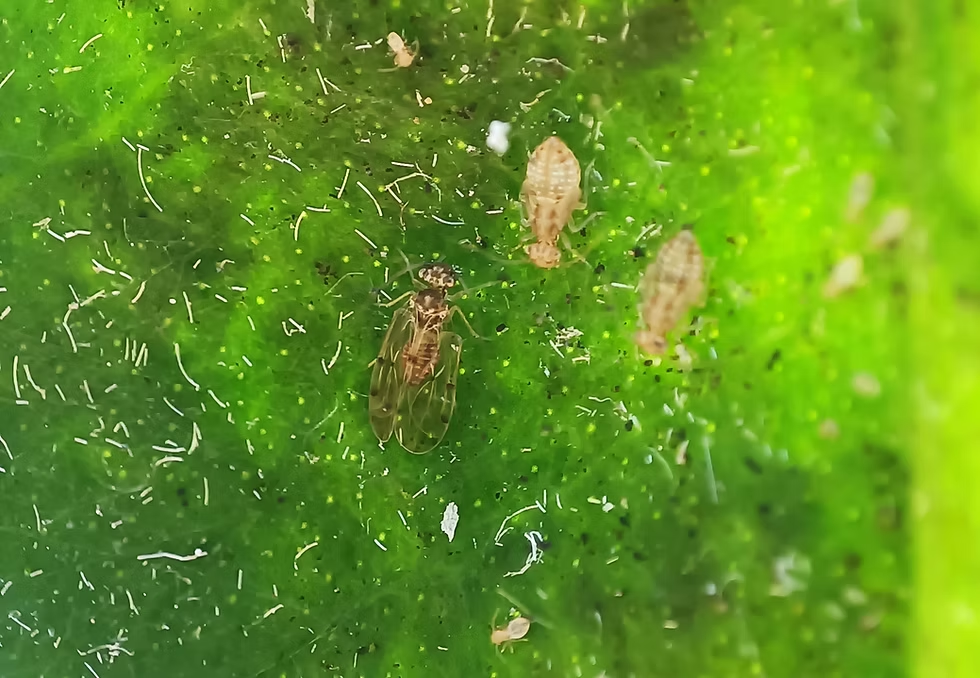

Booklice occasionally appear in very humid plant setups. They feed on mold rather than plants.
Identification
- Tiny pale insects
- Fast-moving
- Found on damp soil
Damage
None to healthy plants.
Natural Treatment
- Lower humidity.
- Improve ventilation.
- Let the soil dry slightly between waterings.
Natural Ways to Prevent Houseplant Pests

The easiest way to deal with pests is to stop them before they become established.
Here are a few simple habits that can make a big difference:
- Inspect every new plant before bringing it indoors.
- Quarantine new plants for 2–3 weeks.
- Water only when your plant actually needs it.
- Remove dead leaves and fallen debris.
- Wipe dust from leaves regularly.
- Keep plants healthy with proper light and nutrition.
- Check the undersides of leaves every week.
- Sterilize pots and pruning tools before reuse.
Healthy plants are naturally more resilient and less attractive to pests.
Should You Use Neem Oil?

Neem oil is a popular natural option for controlling soft-bodied pests such as aphids, whiteflies, mealybugs, and spider mites.
It works by disrupting feeding and reproduction rather than killing instantly.
For best results:
- Spray in the evening or away from direct sunlight.
- Test a small section of the plant first, as some species have sensitive leaves.
- Follow the product’s dilution instructions.
- Reapply as directed if pests persist.
Avoid applying neem oil to drought-stressed plants or during the hottest part of the day, as it may increase the risk of leaf burn.
Mini Printable Guide

Frequently Asked Questions
What is the most common houseplant pest?
Fungus gnats, spider mites, mealybugs, aphids, and scale insects are among the most common pests found on indoor plants.
How often should I inspect my plants?
A quick weekly inspection of the leaves, stems, and soil is usually enough to catch problems early.
Can houseplant pests spread?
Yes. Many pests crawl or fly to nearby plants, which is why isolating infected plants is important.
Should I throw away an infested plant?
Not usually. Most infestations can be controlled if caught early. Plants that are severely weakened or repeatedly infested may be better discarded to protect the rest of your collection.
Are houseplant pests harmful to people?
Most common houseplant pests do not bite people or pets. Their primary concern is the damage they cause to your plants.
Final Thoughts

Finding bugs on your favorite houseplant can be discouraging, but it doesn’t have to mean the end of your plant.
The key is identifying the pest quickly, using the appropriate treatment, and maintaining healthy growing conditions to prevent future outbreaks.
By inspecting your plants regularly and acting at the first sign of trouble, you can keep your indoor garden thriving and enjoy healthier, more resilient houseplants year-round.