12 Painted Tyre Planter DIY Tutorial Ideas
Old tyres can become eye-catching garden containers with a little paint, drainage, and creative planting.
These painted tyre planter DIY ideas range from simple ground-level designs to playful hanging and stacked arrangements, making it easy to find a project that suits your garden style.
Before painting, clean the tyre thoroughly, choose an exterior-safe paint, and add drainage so plants can grow in a healthy container.
Bright Single-Tyre Planter for Beginners

A bright single-tyre planter is one of the easiest upcycling projects for a first-time gardener. Scrub the tyre with warm soapy water, rinse it well, and let it dry completely.
Apply an exterior primer if the rubber is very smooth, followed by two thin coats of weather-resistant paint in a cheerful shade such as yellow, turquoise, coral, or lavender.
Place the painted tyre on level ground and drill several small drainage holes through the lowest section before adding compost. Choose compact flowers such as marigolds, pansies, petunias, or dwarf zinnias.
For a polished finish, add a contrasting rim colour or simple dots after the base coat dries. This painted tyre planter works well beside a path, on a patio, or in a small garden corner.
Pastel Ombre Tyre Planter with Seasonal Flowers

Create a soft pastel ombre tyre planter by blending two or three related shades around the rubber surface. Clean and dry the tyre first, then apply a light primer.
Start with the darkest colour along the lower edge and gradually mist lighter shades toward the top, allowing each layer to dry before adding the next. Lavender, peach, pale blue, and mint create a gentle spring-inspired palette.
Finish the planter with seasonal flowers that complement the paint, such as pansies and violas in spring, petunias in summer, or chrysanthemums in autumn.
Drill drainage holes before adding a lightweight container compost. A rolling plant caddy can make the planter easier to move when changing displays or protecting flowers from extreme weather.
Stacked Tyre Planter Tower for Small Gardens

A stacked tyre planter tower adds planting height without taking up much floor space. Wash and paint three to five tyres in coordinated colours, then let every coat cure fully before assembly.
Stack the tyres from largest or darkest at the bottom to brightest at the top. For extra stability, run a metal rod or sturdy timber dowel through the centre and anchor the base on level ground.
Add drainage holes to each planting tier, then fill the openings with compost suited to your chosen plants. Trailing petunias, nasturtiums, strawberries, herbs, and compact succulents work well because they soften the edges and make the tower look fuller.
Keep the structure near a sunny wall, balcony, or narrow path where a vertical painted tyre planter can create a colourful focal point.
Hanging Tyre Planter for a Wall or Fence

Turn an old tyre into a vertical feature by hanging it against a strong wall or fence. Clean and paint the tyre with exterior paint before installation, then allow it to dry completely.
Fit heavy-duty brackets, eye bolts, or a secure chain system through the sidewall, making sure the support is attached to a structural post rather than a weak fence panel.
Line the lower interior with landscape fabric, add several drainage holes, and fill it with lightweight compost. Trailing plants such as ivy, bacopa, lobelia, strawberries, or nasturtiums will spill over the edge and soften the rubber.
Keep the planter light enough for the mounting hardware, water it carefully, and check the fixings regularly. A bright painted tyre planter can hide a bare fence while using almost no floor space.
Half-Cut Tyre Planter with a Scalloped Edge

Give an old tyre a decorative bowl shape by cutting a repeated scallop pattern around one sidewall.
Mark evenly spaced rounded curves with chalk, then use a sharp jigsaw to follow the outline. Wear eye protection and work slowly, because reinforced tyre rubber can be difficult to cut. If you want a deeper planter, turn the cut tyre inside out so the scallops flare outward like petals.
Paint the finished planter with exterior rubber-friendly paint in a soft pastel, crisp white, or bold garden color.
Add drainage material, potting mix, and ornamental flowers that spill over the scalloped rim. This painted tyre planter looks especially attractive beside an entrance, patio, or garden path.
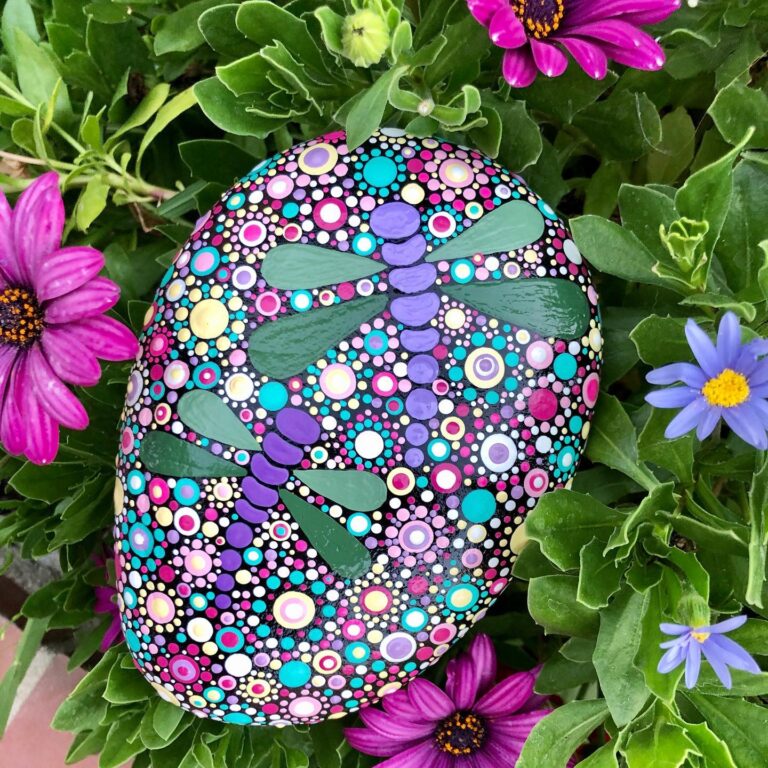
Floral Mandala Painted Tyre Planter

Turn a plain tyre into a piece of garden artwork with a floral mandala. Clean and lightly sand the rubber, apply a solid base coat, and let it dry completely. Use a pencil or chalk to mark a central circle, then build outward with repeating petals, dots, leaves, and curved lines.
Paint pens make the small details easier to control, while two or three contrasting colors keep the pattern cohesive.
Seal the design with a clear outdoor finish before adding soil and plants. Choose simple greenery, succulents, or trailing flowers so the hand-painted pattern remains visible.
Place this painted tyre planter in a quiet patio corner where its circular design can be appreciated from above.
Black-and-White Geometric Tyre Planter

Create a modern statement piece with a black-and-white geometric design. Wash the tyre thoroughly, allow it to dry, and apply a suitable primer if the paint manufacturer recommends one.
Cover the rubber in a matte black base coat, then use painter’s tape, a ruler, or reusable stencils to add triangles, diamonds, stripes, or interlocking blocks in white.
Remove the tape while the final coat is slightly soft for sharper lines, then touch up uneven edges with a fine brush.
Add a liner, drainage layer, and a simple green plant to balance the high-contrast pattern. This painted tyre planter works well in contemporary gardens, against pale walls, or beside minimalist outdoor furniture.
Rainbow Tyre Planter for a Children’s Garden

Brighten a children’s garden with tyres painted in cheerful rainbow colors. Clean and prime each tyre, then assign one vivid shade to each piece—red, orange, yellow, green, blue, and purple.
Arrange the finished planters in a low row, loose circle, or short stack so children can easily see and help care for them. Anchor stacked tyres securely and avoid sharp cut edges in play areas.
Fill the planters with hardy, non-edible flowers such as marigolds, pansies, zinnias, or nasturtiums, and add simple labels so children can identify the plants. Light-colored paint can help reflect heat.
This painted tyre planter project combines recycling, color recognition, planting practice, and outdoor creativity.
Painted Tyre Wheelbarrow-Style Planter

Give an old tyre a charming wheelbarrow-style makeover by turning it into a compact mobile-looking planter. Clean the tyre thoroughly, then paint it with exterior rubber-safe paint in a bright shade such as sunflower yellow, teal, or rustic red.
Add a sturdy wooden handle, a small support leg, and a circular wood or metal disc at the front to suggest a wheel. Secure every piece firmly before adding soil.
Line the tyre with landscape fabric, drill drainage holes, and fill it with lightweight potting mix.
Trailing petunias, nasturtiums, and sweet potato vine spill beautifully over the rim, while upright geraniums or marigolds create height. Set the finished painted tyre planter beside a path, shed, or vegetable garden for a playful farmhouse accent.
Animal-Shaped Tyre Planter for a Playful Yard

Turn a painted tyre planter into a friendly animal that makes the garden feel imaginative and welcoming. A ladybug, frog, turtle, cat, or swan can be created by combining one or two tyres with lightweight scraps of wood, sheet metal, or sturdy plastic for ears, legs, wings, or a tail.
Wash and dry the rubber first, then use exterior paint to add bold colors and simple facial details.
Keep the design low and stable, especially in a family garden. Add drainage holes before filling the tyre with compost and easy-care flowers such as marigolds, pansies, or petunias.
Place the finished animal near stepping stones, a playhouse, or a child-sized garden bed where its bright painted details can be enjoyed from close range.
Vertical Tyre Planter for Herbs and Trailing Plants

Make the most of a narrow wall, fence, or balcony by arranging painted tyres vertically. Mount each tyre to a sturdy support or stack them on a secure central rod, leaving enough room for plants to grow without crowding.
Choose coordinated shades such as sage, cream, and terracotta for a relaxed look, or use bright colors to create a cheerful garden feature.
Drill drainage holes and line the lower inside edge with landscape fabric before adding potting mix.
Plant basil, thyme, chives, and parsley in the upper sections, then place trailing rosemary, mint, strawberries, or flowering vines around the lower rims. Check the support regularly, because wet soil is heavy, and water each painted tyre planter thoroughly when the surface feels dry.
Rustic Chalk-Painted Tyre Planter Display

Create a farmhouse-inspired display by painting an old tyre with matte chalkboard paint. Clean the rubber thoroughly, apply two thin coats, and allow the surface to cure before writing on it.
Use white or pale-colored chalk to label herbs, add simple arrows, or draw small botanical illustrations. For a softer rustic look, surround the tyre with gravel, reclaimed timber, terracotta pots, or a weathered garden stool.
Fill the planter with well-draining soil and grow compact herbs such as thyme, basil, oregano, and chives.
Drill several holes underneath so rainwater can escape, and refresh the chalk labels whenever you change the planting. Group two or three chalk-painted tyres at different heights to create an organized painted tyre planter display beside a kitchen door or patio.
A painted tyre planter is an inexpensive way to reuse old materials while adding color and personality to an outdoor space. Choose a design that matches your available area, prepare the tyre carefully, and pair the finished planter with plants that suit its light and drainage conditions. Group several styles together to create a coordinated garden feature with plenty of visual interest.