25 Vegetables to Grow in Fall and Winter for a Fresh Cold-Season Harvest
A productive garden does not have to end when summer fades. Many vegetables thrive in cool temperatures, tolerate light frost, and deliver crisp, flavorful harvests throughout fall and winter.
Whether you are extending the growing season, filling empty beds, or starting a cold-climate garden, these vegetables to grow in fall and winter offer plenty of fresh options.
Choose varieties suited to your region, plant at the right time, and protect tender crops when severe freezes threaten.
1. Kale for Hardy, Frost-Sweetened Leaves

Kale is one of the most dependable vegetables to grow in fall and winter, especially when you want fresh leaves after tender summer crops have faded.
Plant young kale in late summer so it can establish before temperatures drop. The plants continue producing through light freezes, and many varieties can survive much colder weather with mulch or a simple row cover.
Harvest the outer leaves first, leaving the central growing point intact for continued production. Frost often improves kale’s flavor by giving the leaves a sweeter, less bitter taste.
Curly kale, lacinato kale, and red Russian kale all perform well in cool gardens and add useful color and texture to soups, sautés, salads, and winter grain bowls.
2. Spinach for Fast Cool-Season Growth

Spinach is a smart choice when you want one of the quickest vegetables to grow in fall. Sow seeds directly into fertile, evenly moist soil in late summer or early fall, then harvest tender baby leaves within a few weeks.
Cooler temperatures help spinach produce lush foliage without the bolting and bitterness that often occur during hot weather.
Use a cut-and-come-again approach by picking the larger outer leaves and allowing the center to keep growing. In mild climates, fall-planted spinach can remain productive through winter, while gardeners in colder regions can protect it with row cover, a cold frame, or a low tunnel.
Harvest fresh leaves for salads, omelets, soups, and pasta.
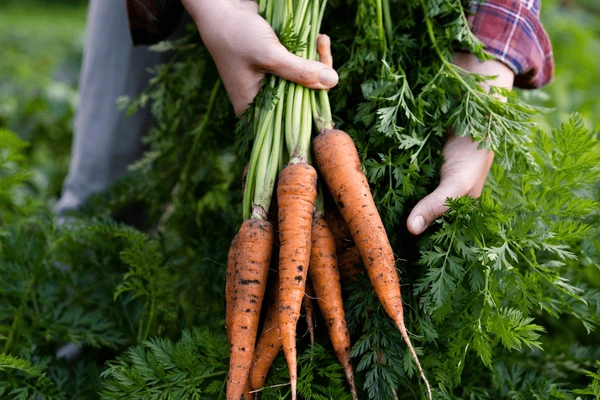
3. Carrots for Sweet Winter Roots

Carrots are excellent vegetables to grow in fall and winter because their roots can remain in the soil for extended harvesting. Sow them in late summer in loose, stone-free soil, allowing enough time for the roots to size up before the ground freezes.
A thick layer of straw or shredded leaves helps insulate the bed and makes winter digging easier.
Cold weather can improve the flavor of carrots by encouraging the roots to store more sugars, giving them a naturally sweeter taste. Harvest whenever the roots reach a useful size, or pull them gradually through late fall and winter in areas where the soil remains workable.
Choose varieties such as Nantes, Danvers, or shorter round types for reliable home-garden results.
4. Beets for Roots and Nutritious Greens

Beets are valuable vegetables to grow in fall and winter because they offer two harvests from one compact plant: colorful roots below ground and tender greens above it.
Sow beet seeds in late summer or early fall in loose, fertile soil. Young leaves can be picked gradually while the roots continue developing, giving you fresh greens before the main beet harvest is ready.
Harvest roots when they are about golf-ball to tennis-ball size for the best texture. In mild climates, beets can stay in the ground through winter, especially when protected with mulch.
Use the roots roasted, pickled, or grated into salads, and cook the greens like spinach or chard for a nutritious cold-season side dish.
5. Radishes for Quick Fall Harvests

Radishes are among the fastest vegetables to grow in fall and winter, making them ideal when you want a harvest before severe cold arrives. Sow seeds directly into loose, well-drained soil about four to six weeks before your first fall frost.
Because radishes mature quickly, plant a short row every 7 to 10 days for a steady supply of crisp roots.
Cool autumn temperatures help radishes develop a clean, peppery flavor without the toughness and excessive heat that can occur during summer. Keep the soil evenly moist, thin seedlings so roots have room to swell, and pull them as soon as they reach their mature size.
Try red globe, French breakfast, daikon, or watermelon radishes for varied colors and textures.
6. Turnips for Tender Roots and Greens

Turnips earn their place among the best vegetables to grow in fall and winter because both the roots and leafy tops are edible. Sow them after summer crops are finished, choosing a fast-maturing variety for the most reliable autumn harvest.
Keep seedlings watered during dry weather and thin them early so the roots can form smoothly.
Harvest a few young leaves at a time for sautés, soups, and stews, then pull the roots when they are still tender and mild.
A light frost can improve their flavor, while oversized roots may become woody. Hakurei turnips are especially sweet and crisp, while purple-top varieties provide classic round roots and abundant greens.
7. Rutabagas for Long-Season Winter Storage

Rutabagas are dependable vegetables to grow in fall and winter when you want a substantial crop that can remain useful well beyond the first harvest. They need more time than turnips, so sow seeds in summer or early enough in the season for roots to mature during cool weather.
Fertile, well-drained soil and consistent moisture help prevent cracking, woodiness, and poor root development.
Harvest rutabagas when the roots reach roughly four inches across, leaving some in the ground under mulch where winters are moderate. In colder regions, lift them before the soil freezes solid and trim away the tops.
Store clean roots in a cool, humid location for several months, using them in mashes, soups, roasts, and hearty winter stews.
8. Parsnips for Extra-Sweet Cold-Weather Flavor

Parsnips are slow-growing but rewarding vegetables to grow in fall and winter. Sow fresh seeds in spring or early enough in the growing season to give the long roots time to develop before winter.
Choose deep, stone-free soil and keep the seedbed consistently moist during germination, since parsnips can be slow and uneven to emerge.
Their flavor improves after exposure to cold, which converts some of the root’s starches into sweeter-tasting sugars. Leave parsnips in the ground through autumn and winter where the soil remains workable, protecting them with a thick layer of straw or leaf mulch.
Harvest with a garden fork, lifting carefully to avoid snapping the long, cream-colored roots.
9. Brussels Sprouts for Late Fall Harvesting

Brussels sprouts are one of the best vegetables to grow in fall and winter because their flavor improves after cool weather arrives. Plant sturdy transplants in late summer, giving each plant plenty of room to develop its tall stalk and broad leaves.
Choose a sunny bed with fertile, consistently moist soil, and add compost before planting.
Harvest the lowest sprouts first when they are firm and about the size of a walnut. Work upward as the season continues, leaving the smaller sprouts to mature. A light frost can make them taste sweeter, while a thick mulch layer helps protect roots during colder spells.
Remove yellowing lower leaves to improve airflow and make harvesting easier.
10. Cabbage for Reliable Cold-Season Heads

Cabbage earns its place in a cold-season garden by producing dependable, tightly packed heads when many summer crops have finished. Set out young plants in late summer for a fall crop, spacing them generously so air can circulate around the developing leaves.
Choose a sunny location, enrich the soil with compost, and water regularly during dry weather.
For winter growing, select hardy varieties such as Savoy or winter cabbage. Mulch around the plants to moderate soil temperatures and reduce moisture loss.
Harvest when the heads feel firm and solid, cutting them near the base with a sharp knife. Leaving the outer leaves attached can help protect the head during handling and short-term storage.
11. Broccoli for Crisp Fall Florets

Broccoli performs especially well when planted for a fall harvest, producing crisp, sweet florets without the stress of summer heat.
Start seeds indoors or buy transplants, then move plants into rich, well-drained soil in late summer. Keep moisture consistent and cover young plants with insect netting if cabbage moths or other pests are common in your area.
Cut the central head while the buds are tight and deep green, using a sharp knife several inches below the head.
Leave the plant in place, because many varieties produce tender side shoots for weeks afterward. Harvest frequently, especially during cool autumn weather, to keep the florets compact and prevent them from opening into yellow flowers.
12. Cauliflower for Cool-Weather Success

Cauliflower can be challenging, but cool fall temperatures give it the steady growing conditions needed to form smooth, compact heads. Start with healthy transplants and set them out about six to eight weeks before your first expected frost.
Use rich soil amended with compost, provide full sun, and keep the bed evenly moist so growth does not stall.
As the white curd develops, fold surrounding leaves over the head to protect it from strong sunlight and sudden temperature changes.
Harvest when the head is firm, tight, and fully formed, cutting below it with a sharp knife. In mild climates, winter varieties can remain in the garden for later harvest, but protect developing heads from hard freezes.
13. Collard Greens for Winter-Hardy Harvests

Collard greens are among the most dependable vegetables to grow in fall and winter, producing broad, nutritious leaves after many summer crops have faded. Their flavor often improves after a light frost, when cool temperatures encourage the leaves to become sweeter and more tender.
Choose a sunny bed with fertile, moisture-retentive soil, and give plants enough room for their large outer leaves.
Harvest by picking the lowest mature leaves first and leaving the central growing point intact. This cut-and-come-again method keeps new leaves developing for weeks.
In colder regions, protect plants with row cover, a low tunnel, or a thick layer of mulch. Young collard leaves are excellent in sautés, soups, braises, and hearty winter meals.
14. Swiss Chard for Colorful, Continuous Picking

Swiss chard brings both harvests and color to a cool-season garden. Varieties such as ‘Bright Lights’ produce dark green leaves held on vivid red, pink, yellow, orange, or white stems, creating a jewel-toned display in beds and containers.
Chard grows quickly in mild weather and can continue producing through fall, with protection helping it withstand light winter conditions.
For a continuous supply, cut the largest outer leaves close to the base while leaving the young center leaves untouched. Regular picking encourages fresh growth instead of allowing plants to become crowded.
Use the tender leaves in salads, or cook the crisp ribs and leafy greens separately in soups, pasta, stir-fries, and savory side dishes.
15. Lettuce for Fresh Fall Salads

Lettuce is one of the fastest and easiest vegetables to grow in fall and winter, especially when you choose loose-leaf, butterhead, or cold-tolerant romaine varieties. Cooler temperatures help leaves stay crisp and slow the bolting that often ruins summer plantings.
Sow seeds in succession every two to three weeks for a steady supply of tender salad greens rather than one large crop arriving all at once.
Harvest loose-leaf lettuce by cutting the outer leaves, or use scissors to trim the whole plant several inches above the soil for a gentle second flush.
Keep the soil evenly moist and cover plants with lightweight fabric when hard frost threatens. Combine green and red varieties for attractive salads, sandwiches, wraps, and fresh garnishes.
16. Arugula for Peppery Cold-Season Leaves

Arugula is a quick-growing choice for gardeners who want bold flavor from a small space. Its deeply lobed green leaves develop a peppery, mustard-like bite that becomes especially welcome in cool-weather salads.
Sow short rows every few weeks in fall so young leaves reach the table continuously, and grow it in containers, raised beds, or open ground with well-drained soil.
Begin harvesting when leaves are about two to four inches long for the mildest texture and flavor. Cut the outer leaves individually, leaving the center growing point to produce more.
If plants become tall or begin flowering, the leaves may turn stronger and more bitter. Use fresh arugula in salads, sandwiches, pizzas, pestos, and mixed winter greens.
17. Mâche for Mild Winter Salad Greens

Mâche, also called corn salad or lamb’s lettuce, is one of the most dependable vegetables to grow in fall and winter. Its small, spoon-shaped leaves form low rosettes and stay tender when temperatures drop, making it ideal for fresh salads during the cold season.
Sow seeds in late summer or early fall, then protect the plants with a light row cover in areas with hard freezes.
Harvest individual outer leaves for a gentle, continuous supply, or cut whole rosettes just above the soil.
Mâche has a mild, slightly nutty flavor that pairs well with apples, roasted roots, toasted nuts, and simple vinaigrettes. Because the plants remain compact, they are also useful in containers, narrow beds, and other small growing spaces.
18. Mustard Greens for Spicy Flavor

Mustard greens bring a bold, peppery flavor to the list of vegetables to grow in fall and winter. They prefer cool weather, grow quickly from seed, and often become sweeter and more pleasantly pungent after light frosts.
Choose broad-leaved, frilly, or red varieties, then sow several small batches a week or two apart for a steady harvest.
Pick the outside leaves when they are young and tender, leaving the central growing point intact for regrowth. Use raw baby leaves in salads, or cook mature greens with garlic, beans, broth, or roasted vegetables.
In colder regions, a row cover can extend the harvest and protect the foliage from freezing winds without taking up much garden space.
19. Bok Choy for Quick Asian Greens

Bok choy is one of the fastest vegetables to grow in fall, making it especially useful when you want a quick cold-season harvest.
Baby varieties can be ready in only a few weeks, while larger plants develop crisp pale stems and tender dark-green leaves. Sow seeds in fertile soil with consistent moisture, and provide light shade if unusually warm weather threatens to cause bolting.
Harvest small plants whole for individual servings, or remove the outer leaves and let the center continue growing.
Bok choy is excellent in stir-fries, noodle soups, steamed dishes, and quick sautés with ginger and garlic. Its compact size also makes it a practical choice for containers, raised beds, and succession planting throughout fall.
20. Tatsoi for Compact Rosettes and Baby Leaves

Tatsoi is a compact Asian green prized for its neat rosettes of dark, spoon-shaped leaves.
It is a particularly useful choice among vegetables to grow in fall and winter because it tolerates cold weather and fits easily into containers, edging spaces, and densely planted beds. Sow it in late summer or early fall, keeping the soil evenly moist while seedlings establish.
Harvest a few baby leaves at a time for salads, or cut the entire rosette when it reaches the size you prefer.
Mature tatsoi has a mild mustard flavor and silky texture that works well raw, stir-fried, steamed, or added to soups. Its low-growing form also makes it easy to protect with fleece or a simple cloche when severe weather arrives.
21. Mizuna for Frilly, Frost-Tolerant Greens

Mizuna is one of the most attractive vegetables to grow in fall and winter, producing airy, frilly leaves with a mild peppery flavor.
Its finely cut foliage adds texture to raised beds, containers, and mixed salad plantings, while its cool-season growth keeps going through light frosts.
Sow mizuna directly in fertile, well-drained soil and begin harvesting baby leaves when they are young and tender. Pick outer leaves regularly so the central rosette continues producing.
In colder areas, use a row cover or low tunnel to extend the harvest. Add fresh mizuna to salads, sandwiches, soups, and stir-fries for a crisp harvest when many summer crops have finished.
22. Peas for Early Winter and Spring Pods

Peas can give a cool-season garden an especially welcome harvest of crisp pods.
In mild climates, sow cold-tolerant snap or snow peas in late summer or early fall for early winter picking. In colder regions, plant them early enough to establish before severe freezes, then protect young vines with a row cover or tunnel.
Provide a trellis as soon as seedlings emerge, because climbing vines are easier to manage when supported from the beginning.
Harvest snap peas when the pods are plump and sweet, or pick snow peas while they are still flat and tender. In very cold areas, fall-sown peas may pause over winter and resume growth for an early spring crop.
23. Onions for Bulbs and Overwintering Crops

Onions are versatile vegetables to grow in fall and winter because they can be harvested at several stages.
Plant hardy onion sets or young plants in autumn for green shoots during the colder months, or choose overwintering varieties that pause through winter and form full bulbs as daylight increases in spring.
Set onions in loose, fertile, well-drained soil with their tips just above the surface, then add a light mulch after the ground cools. Harvest a few early as scallions, leaving the rest to size up.
Protect young plantings from birds and severe cold with fleece or a row cover. By late spring or early summer, the crop can provide fresh bulbs before many spring-planted onions mature.
24. Garlic for a Summer Harvest from Fall Planting

Garlic is a rewarding crop to plant in fall because one clove can develop into a full bulb by the following summer. Choose large, healthy seed garlic and separate the cloves just before planting.
Set each clove with the pointed end up in fertile, well-drained soil, then cover the bed with straw or shredded leaves to reduce frost heaving and temperature swings.
Garlic usually grows roots before winter, rests during the coldest months, and resumes strong leaf growth in spring. Hardneck types may also produce edible scapes in early summer.
Harvest when several lower leaves turn brown while upper leaves remain green, then cure the bulbs in a dry, shaded, well-ventilated place for long-term storage.
25. Leeks for Long-Lasting Winter Harvests

Leeks are one of the most dependable vegetables to grow in fall and winter, especially when you choose a cold-hardy overwintering variety. Start seeds in spring or early summer, then transplant seedlings into fertile soil with the lower stems set deeply.
As the plants grow, mound soil or mulch around the stems to encourage long, tender white sections.
Unlike many vegetables, leeks can remain in the ground for months without needing to be harvested all at once.
Lift individual plants with a garden fork whenever you need them, even after light frosts. In colder regions, apply a thick mulch before the ground freezes to make winter digging easier. Their mild, slightly sweet flavor is ideal for soups, stews, gratins, and roasted vegetable dishes.
With the right crop choices, fall and winter can be some of the most rewarding seasons in the vegetable garden.
Hardy greens, root vegetables, brassicas, and overwintering crops can keep your beds productive while adding variety to cold-weather meals. Plant according to your local frost dates, use row covers or mulch when needed, and harvest regularly to enjoy fresh garden produce well beyond summer.