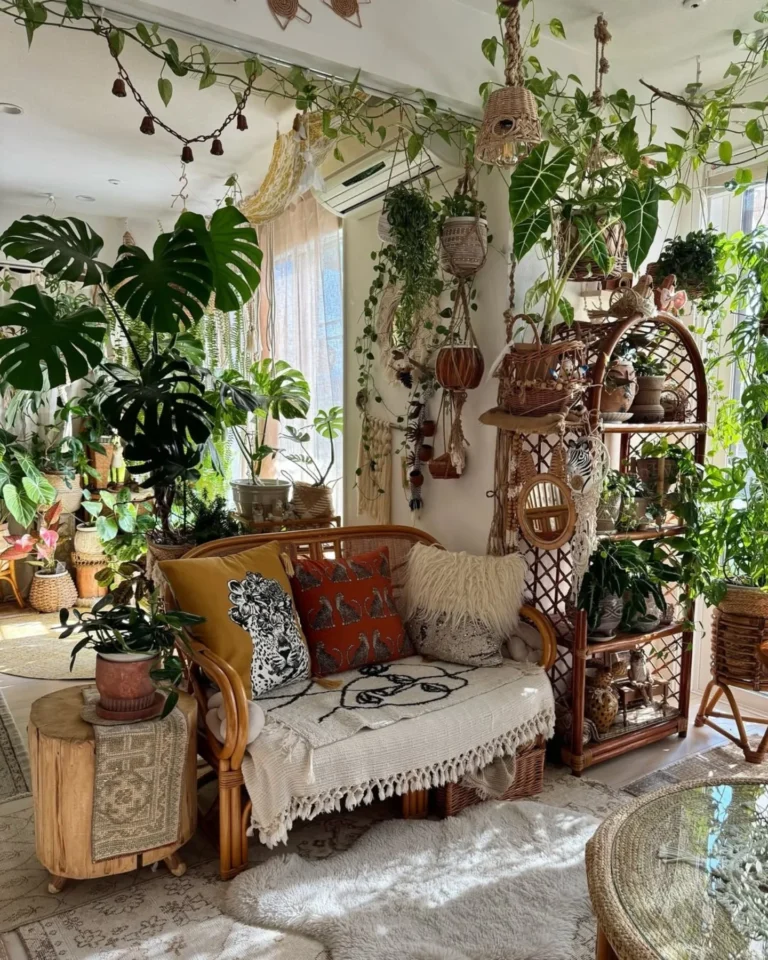
12 Must-Have Plants for Your Bathroom
The right plants for your bathroom can transform a practical room into a calmer, more inviting space.
Humidity from showers benefits many tropical varieties, while the room’s available light, ventilation, temperature, and watering routine determine which plants will thrive.
From forgiving low-light choices to elegant flowering varieties, these 12 bathroom-friendly plants offer inspiration for a range of conditions.
Bamboo Palm for a Bright, Humid Bathroom

Bamboo palms bring a soft, tropical look to a bright bathroom, especially when placed near an east-facing window or several feet from a sunny south- or west-facing window.
They prefer bright, indirect light and can develop scorched leaves when exposed to intense direct sun. The naturally warm, humid air created by regular showers suits their tropical growing conditions.
Water when the top inch of soil feels dry, allowing excess moisture to drain fully before the pot is returned to its saucer. Use a loose, well-draining potting mix and avoid leaving the roots in standing water.
A bamboo palm may need less frequent watering during cooler, darker months. Good airflow is helpful, and the plant should remain away from direct shower spray.
Spider Plant for Easy-Care Bathroom Greenery

Spider plants are a practical choice for bathrooms with low to moderate indirect light. They do well near a frosted, north- or east-facing window, but harsh direct sunlight can bleach or scorch their narrow leaves.
Their arching foliage and dangling plantlets work especially well in a hanging basket or on a high shelf where the leaves can cascade without touching wet surfaces.
Keep the soil lightly moist but never waterlogged. Water when the top inch feels dry, then let excess water drain completely.
Bathroom humidity can help reduce brown leaf tips, but it cannot replace usable light or good airflow. Avoid placing the plant directly under shower spray, and reduce watering if the room stays damp for long periods.
Snake Plant for Low-Light, Infrequent Watering

Snake plants suit bathrooms where care is easy to forget. They tolerate low light and can remain attractive in a dim room, although brighter indirect light encourages steadier growth.
A bathroom with a frosted window, skylight, or nearby daylight is preferable to a completely windowless space. Keep the upright leaves away from direct shower spray and cold drafts.
Water sparingly, allowing the potting mix to dry almost completely between waterings. Depending on light, temperature, and humidity, that may mean watering every few weeks rather than weekly.
Use a container with drainage holes and a gritty, fast-draining mix because consistently wet soil can cause root rot. In darker bathrooms, reduced light usually means the plant needs even less water.
ZZ Plant for Darker Bathrooms with Limited Care

ZZ plants are useful for darker bathrooms because their thick, glossy leaves and underground rhizomes tolerate long periods between waterings. They handle low light better than many tropical houseplants, but they still need some usable ambient light to remain healthy.
In a windowless bathroom, occasional placement near a brighter window or the use of a suitable grow light can help prevent weak, slow growth.
Let the potting mix dry thoroughly before watering again. In a dim, humid bathroom, watering every three to five weeks may be enough, though conditions vary by season and pot size.
Choose a well-draining mix and a container with drainage holes. Keep the plant away from standing water, direct spray, and persistently damp corners to reduce the risk of root rot.
Pothos for Trailing Color on Shelves and Hooks

Pothos brings an easy cascade of green and gold to bathroom shelves, wall hooks, and hanging planters. Its trailing vines soften hard tile, glass, and metal while making use of vertical space.
The plant grows best in bright, indirect light, although it can tolerate lower light with slower growth and less dramatic variegation. Direct afternoon sun should be filtered because it may scorch the leaves.
Water pothos when the top inch of soil feels dry, then allow excess water to drain fully. Bathroom humidity supports healthy foliage, but consistently soggy soil can cause root rot.
A pot with drainage and a shelf protected from splashes provide the best conditions. Occasional pruning keeps the vines full and encourages new growth along the stems.
Peace Lily for Humidity and Soft White Blooms

Peace lilies add glossy foliage and soft white blooms to a bathroom, creating a calm, spa-like focal point.
They prefer bright, filtered light but can manage moderate or lower light; however, flowering usually becomes less frequent when light is too dim. A position near a frosted or north-facing window is often suitable, while strong direct sun should be avoided because it can scorch the leaves.
The plant appreciates humid air and evenly moist soil. Water when the upper inch feels slightly dry, and empty any saucer so the roots do not sit in water. Drooping leaves often signal thirst, but repeated wilting can stress the plant.
Good drainage, warm temperatures, and protection from cold drafts help maintain healthy leaves and long-lasting white spathes.
Boston Fern for Consistently Moist Bathroom Air

Boston fern creates a lush, feathery display with arching fronds that work especially well beside a bathtub, on a broad vanity, or in a hanging basket.
It prefers bright, indirect light and may thin out in a dark bathroom, so a nearby window or supplemental grow light is helpful. Direct hot sun can dry and scorch the delicate fronds.
Consistent moisture is essential. The soil should remain lightly and evenly moist, but never waterlogged, and the container must drain freely. High bathroom humidity helps prevent brown, crispy tips, although dry air from heating or strong ventilation can quickly stress the plant.
Regularly check the soil, remove damaged fronds, and keep the fern away from cold drafts for fuller growth.
Bird’s Nest Fern for Gentle Light and High Humidity

Bird’s nest fern offers broad, glossy fronds that form a distinctive rosette rather than the fine, cascading texture of a Boston fern. Its sculptural shape suits a bathroom shelf, vanity corner, or plant stand where the leaves can remain undisturbed.
The plant prefers gentle, indirect light and high humidity. It should be protected from strong direct sun, which can bleach or scorch the fronds.
The potting mix should stay lightly moist, with watering whenever the surface begins to dry. Water around the soil instead of directly into the central crown, because trapped moisture can encourage rot as new fronds emerge.
A drainage hole is essential. Warm temperatures, steady humidity, and protection from cold drafts help the fern maintain smooth, upright leaves.
Calathea for Warm, Humid Bathrooms Away from Direct Sun

Calathea brings richly patterned foliage to a warm, humid bathroom, making it one of the most decorative Plants for Your Bathroom. It performs best in bright, filtered light or gentle low-to-medium indirect light.
Direct sunlight can fade its markings and scorch the leaves, so it should be placed several feet from a sunny window or behind a sheer curtain.
The soil should remain lightly and evenly moist, but never waterlogged. Water when the top inch begins to feel slightly dry, using filtered, distilled, or rainwater when possible because mineral-heavy tap water may cause brown leaf edges.
A pot with drainage, stable warmth, and protection from cold drafts helps Calathea maintain healthy foliage between waterings.
Phalaenopsis Orchid for Bright Indirect Light and Blooms

Phalaenopsis, or moth orchid, adds long-lasting blooms and an elegant focal point to a bright bathroom.
It needs bright indirect light to flower reliably, such as light from an east-facing window or a sunny window softened by a sheer curtain. Strong afternoon rays through clear glass can scorch the leaves and fade the flowers.
The orchid should be watered thoroughly only when the potting mix is nearly dry, then allowed to drain completely.
Its roots should never sit in standing water. A transparent orchid pot filled with airy bark mix works well, while bathroom humidity supports healthy roots and flower longevity. Good air circulation is still important, especially after hot showers.
Chinese Evergreen for Adaptable Low-to-Medium Light

Chinese evergreen, or Aglaonema, suits bathrooms where natural light changes throughout the day. It tolerates low to medium indirect light and usually keeps its attractive green or variegated leaves without demanding a bright window.
Variegated varieties may show stronger coloring in medium light, while intense direct sun can bleach or scorch the foliage.
This adaptable plant should be watered when the top inch or two of soil feels dry. The pot must have drainage so excess moisture can escape, since consistently soggy soil may lead to root problems.
Average bathroom humidity is usually helpful, but Chinese evergreen can also handle less humid conditions. Because it is toxic if chewed, it should be kept away from pets and small children.
Air Plant for Small Bathrooms with Bright Indirect Light

Air plants, or Tillandsia, are compact choices for small bathrooms because they grow without a traditional soil-filled pot. A bright bathroom with indirect light is ideal, especially near an east-facing window or a few feet from a brighter exposure.
Direct midday sun can dry or scorch the leaves, while a windowless bathroom usually needs a grow light for long-term health.
Humidity from regular showers can help, but it does not replace watering. The plant should be soaked in room-temperature water for about 20 to 30 minutes every one to two weeks, depending on household dryness, then shaken gently and placed upside down or in an airy spot to dry fully.
Good airflow prevents moisture from collecting in the center and causing rot.
With the right match between plant and bathroom conditions, even a compact or dim space can support healthy, attractive greenery. A homeowner can create a reliable care routine by assessing natural light, allowing suitable drying time between waterings, and choosing humidity-loving plants that suit the room’s temperature and ventilation.
Together, these options make it easier to bring lasting style and a fresh, natural feel to the bathroom.