What to Plant With Potatoes for Fewer Pests and Better Harvests
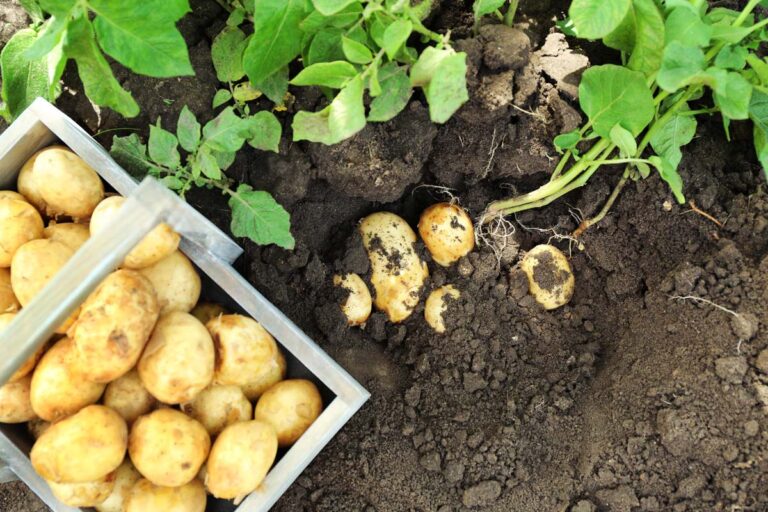
Potatoes are one of those vegetables that always seem worth the effort. There’s something satisfying about digging into the soil and finding a handful of fresh potatoes waiting underneath.
But if you’ve grown them before, you probably know they can attract their fair share of pests. Aphids, flea beetles, and even potato beetles can turn a healthy crop into a frustrating one.
Over the years, I’ve found that companion planting makes a noticeable difference.

Some plants help repel pests, others attract beneficial insects, and a few simply make better use of the growing space around your potatoes.
If you’re planning a potato patch this season, these are the plants I’d happily grow alongside them.
Why Companion Planting Works With Potatoes
Companion planting isn’t magic, but it can create a healthier garden ecosystem.
Certain plants release scents that confuse pests, while flowering companions attract pollinators and predatory insects that feed on garden pests.
Potatoes also take up a lot of underground space but leave room above the soil for smaller companions. That means you can often fit several helpful plants around them without sacrificing your potato harvest.
Marigolds

Marigolds are probably the most popular companion plant for potatoes, and for good reason.
Their strong scent can help deter a range of pests, while their roots may help reduce harmful nematodes in the soil. They also bring in beneficial insects like hoverflies and ladybugs, which feed on aphids.
I like planting marigolds around the edges of potato beds where they add color while quietly doing their job.
Why They Work
- May reduce nematode problems
- Attract beneficial insects
- Help confuse pest insects
Nasturtiums

Nasturtiums are often called a trap crop because pests seem to love them even more than vegetables.
Aphids frequently gather on nasturtiums instead of nearby potato plants. Plus, their bright flowers attract pollinators and beneficial insects throughout summer.
They’re also edible, which is a nice bonus.
Why They Work
- Draw aphids away from potatoes
- Attract pollinators
- Easy to grow from seed
Beans

Bush beans can be excellent companions for potatoes.
As legumes, beans help improve soil fertility by fixing nitrogen. Potatoes are fairly heavy feeders, so healthier soil can support better overall growth.
Just avoid overcrowding and leave enough space for good airflow.
Why They Work
- Improve soil health
- Make efficient use of garden space
- Can increase overall productivity
Sweet Alyssum

Sweet alyssum doesn’t get talked about nearly enough.
Its tiny flowers attract hoverflies, parasitic wasps, and other beneficial insects that help control aphids and caterpillars naturally. The low-growing habit also acts as a living mulch, helping retain moisture around potato plants.
Why They Work
- Attract beneficial insects
- Help suppress weeds
- Improve garden biodiversity
Chives

Chives are surprisingly useful in the vegetable garden.
Their onion-like scent can help mask the smell of potatoes and discourage certain pests from finding them. They also produce attractive flowers that bring pollinators into the garden.
If you already grow herbs, this is one of the easiest companions to add.
Why They Work
- Repel some pest insects
- Attract pollinators
- Compact growth habit
Horseradish

This is an old-school companion plant many gardeners swear by.
Horseradish is believed to help deter potato beetles and other damaging insects. Because it can spread aggressively, it’s often best planted near the corners of a potato bed rather than throughout the patch.
Why They Work
- Traditionally used to deter potato pests
- Hardy and low maintenance
- Takes up little growing space
Cilantro

When cilantro flowers, it becomes a magnet for beneficial insects.
The small blooms attract parasitic wasps, hoverflies, and lacewings that help keep pest populations under control. Letting a few plants bolt can actually benefit your entire potato patch.
Why They Work
- Attracts natural predators
- Supports pollinators
- Easy to tuck between rows
What Not to Plant Near Potatoes

Not every plant makes a good neighbor.
Try to avoid planting potatoes near:
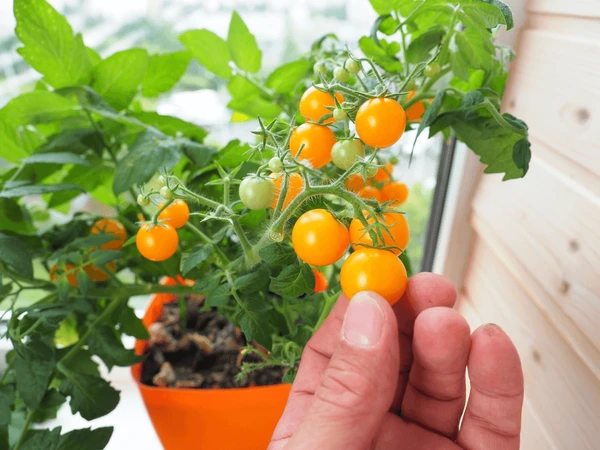
- Tomatoes
- Eggplants
- Peppers
- Other potatoes from previous seasons
These crops belong to the same family and can share diseases such as blight. Growing them together increases the risk of problems spreading through the garden.
Fennel is another plant that generally doesn’t play well with most vegetables and is best grown separately.
A Simple Potato Companion Planting Combination

Final Thoughts
Growing potatoes doesn’t have to mean battling pests all season. A few carefully chosen companion plants can help create a healthier garden while attracting the insects you actually want around.
I’ve found that companion planting won’t eliminate every pest problem, but it often reduces them enough that the garden feels far more balanced.
Plus, you’ll end up with flowers, herbs, and extra vegetables growing alongside your potatoes, which never feels like a bad trade.