12 Easy Vegetables to Grow in Buckets
Growing vegetables doesn’t have to mean building raised beds, digging up your backyard, or spending a fortune on gardening supplies.
Some of the most productive vegetables I’ve ever grown started out in simple buckets sitting on my patio.
Buckets are one of the easiest ways to start a vegetable garden. They’re affordable, easy to move around, and perfect for renters, small backyards, balconies, or anyone who simply wants to grow a little food without a big commitment.
If you’ve got a few buckets, some potting mix, and a sunny spot, you’re already halfway there.

1. Tomatoes
Tomatoes are probably the first vegetable most people think of when it comes to container gardening, and for good reason. They absolutely thrive in buckets.
A five-gallon bucket gives tomato roots enough room to spread out while keeping the plant manageable. Cherry tomatoes are especially productive and often produce more fruit than you know what to do with.
Just remember to add a sturdy stake or tomato cage early before the plant gets too large.

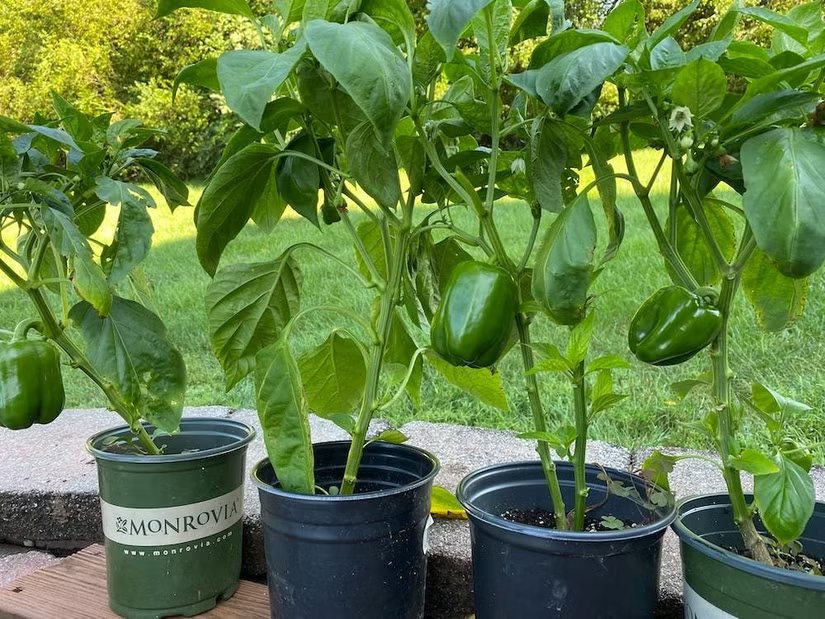
2. Peppers
Both sweet peppers and hot peppers perform surprisingly well in buckets.
I usually dedicate one bucket to jalapeños and another to bell peppers. They love warm weather, don’t require huge amounts of space, and often produce continuously through summer.
The best part is that pepper plants tend to look attractive too, with colorful fruit hanging among glossy green leaves.
3. Lettuce
If you’re impatient, lettuce is one of the quickest vegetables to grow.
You don’t need a deep bucket either. Even a smaller container can provide enough room for several lettuce plants. Harvest the outer leaves regularly, and you’ll keep getting fresh salads for weeks.
I always keep a bucket of lettuce near the kitchen door because it’s so convenient.

4. Bush Beans
Bush beans are one of the easiest vegetables for beginners.
Unlike pole beans, they don’t require tall trellises or complicated support systems. Simply plant them, keep them watered, and wait for the harvest.
They’re productive, reliable, and don’t take up much room.

5. Radishes
If you want fast results, grow radishes.
Many varieties are ready to harvest in as little as four weeks. They’re great for beginners because they provide quick success and help build confidence.
Kids especially enjoy growing radishes because they can see results so quickly.

6. Carrots
A bucket might not seem like the obvious place for carrots, but it actually works very well.
The loose potting mix allows roots to develop more evenly than some garden soils. Shorter carrot varieties tend to perform best in containers.
The first time I tipped out a bucket and found a whole harvest of perfectly formed carrots, I was genuinely surprised.

7. Cucumbers
Compact cucumber varieties can thrive in buckets as long as they have support.
A simple trellis, tomato cage, or bamboo structure helps keep vines off the ground while improving airflow around the plants.
Fresh cucumbers straight from the garden taste completely different from store-bought ones.

8. Spinach
Spinach is another excellent leafy green for bucket gardening.
It prefers cooler weather and can often be grown during spring and autumn when other vegetables struggle.
A few spinach plants can provide regular harvests for smoothies, salads, and cooking.

9. Green Onions
Green onions might be one of the most underrated vegetables to grow.
They require very little space and can be harvested repeatedly. I usually tuck a few around the edges of larger containers, but they also grow perfectly well in their own bucket.
They’re one of those crops that quietly keep producing without demanding much attention.

10. Potatoes
Growing potatoes in buckets feels a little bit like magic.
You start with a few seed potatoes and end up digging through the soil to uncover a hidden harvest months later.
Buckets make harvesting incredibly easy. Simply dump out the soil and collect your potatoes.
Many gardeners use buckets specifically for potatoes because it simplifies the entire process.

11. Zucchini
One zucchini plant is usually enough for most households.
They grow surprisingly well in large buckets and often become extremely productive once they get going.
Just be prepared to share some of your harvest with neighbors. Zucchini plants have a reputation for producing more vegetables than people expect.

12. Kale
Kale is one of the toughest vegetables you can grow.
It handles cool temperatures, keeps producing for months, and generally asks for very little in return.
I often leave kale growing long after other vegetables have finished for the season. It’s one of the most reliable crops for container gardeners.

Tips for Growing Vegetables in Buckets
The biggest mistake people make is forgetting drainage. Every bucket should have several holes drilled into the bottom before planting.
Use quality potting mix rather than garden soil. Containers dry out faster, so good potting mix helps retain moisture while still providing drainage.
Most vegetables need at least six to eight hours of sunlight each day, so place your buckets somewhere bright.
Finally, don’t be afraid to experiment. One of the nice things about bucket gardening is how low-risk it is. If a crop doesn’t work, simply try something different next season.
Final Thoughts
You don’t need a large backyard to grow fresh vegetables. A few buckets, some decent potting mix, and a sunny corner can produce an impressive amount of food throughout the growing season.
In fact, some of my most successful harvests have come from humble buckets scattered around the patio. They’re simple, affordable, and perfect for anyone wanting to start gardening without overcomplicating things.
If you’re new to growing vegetables, start with a couple of buckets and see what happens. You might be surprised by just how much food you can grow in such a small space.