17 Kitchen Plant Styling Tips for Beginners
Adding plants to your kitchen is one of the easiest ways to make the space feel warmer, fresher, and more inviting. You don’t need a huge kitchen or a green thumb to make it work either.
A few well-placed plants can soften hard surfaces, brighten empty corners, and even give you fresh herbs to cook with.
If you’re just getting started, these beginner-friendly styling ideas will help you create a kitchen that’s full of life without feeling cluttered or overwhelming.
1. Start With One Statement Plant

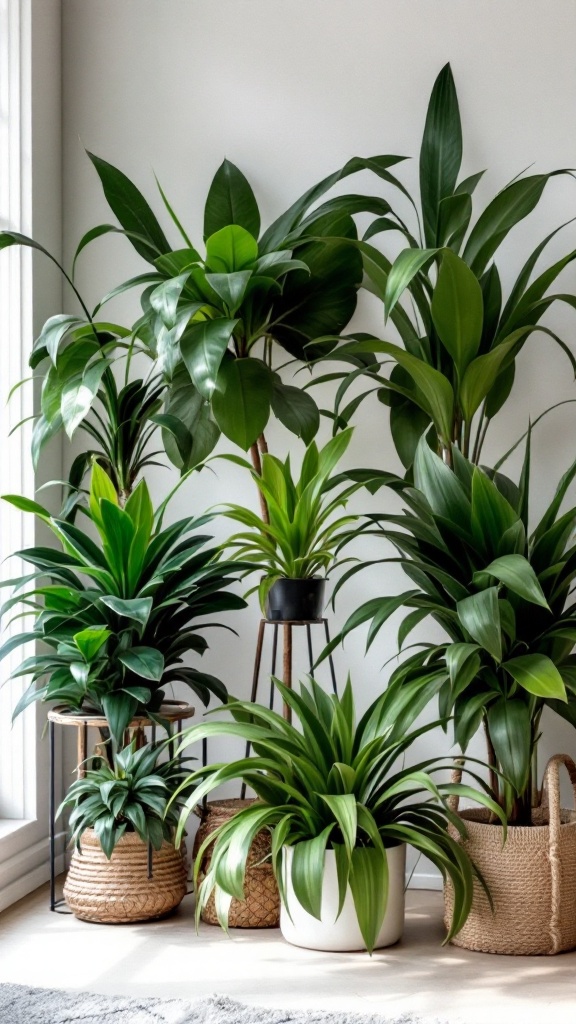
If you’re nervous about decorating with plants, don’t feel like you need ten of them right away. One larger plant instantly adds life without making the kitchen feel busy.
Place it in an unused corner, beside a pantry, or near a sunny back door. A single statement plant often has more impact than several tiny pots scattered everywhere.
2. Use Fresh Herbs as Everyday Decor

Herbs are both beautiful and practical. Instead of hiding them outside, display basil, parsley, mint, or rosemary where you cook.
Not only do they look fresh, but you’ll actually use them more often because they’re within reach.
3. Keep Your Color Palette Simple

Plants naturally add plenty of texture and color. Let the greenery be the star by choosing pots in neutral shades like white, beige, terracotta, black, or soft gray.
Matching pots also create a clean, designer look, even if the plants themselves are different.
4. Style Above Your Kitchen Cabinets

If your cabinets don’t reach the ceiling, that empty space is perfect for trailing or upright plants.
Mix different heights while leaving enough breathing room so the display feels intentional instead of overcrowded.
5. Add Greenery to Open Shelves

Open shelving can sometimes look unfinished. A small plant tucked between dishes, cookbooks, or jars instantly softens the display.
Aim for balance by spacing plants throughout the shelves rather than grouping them all together.
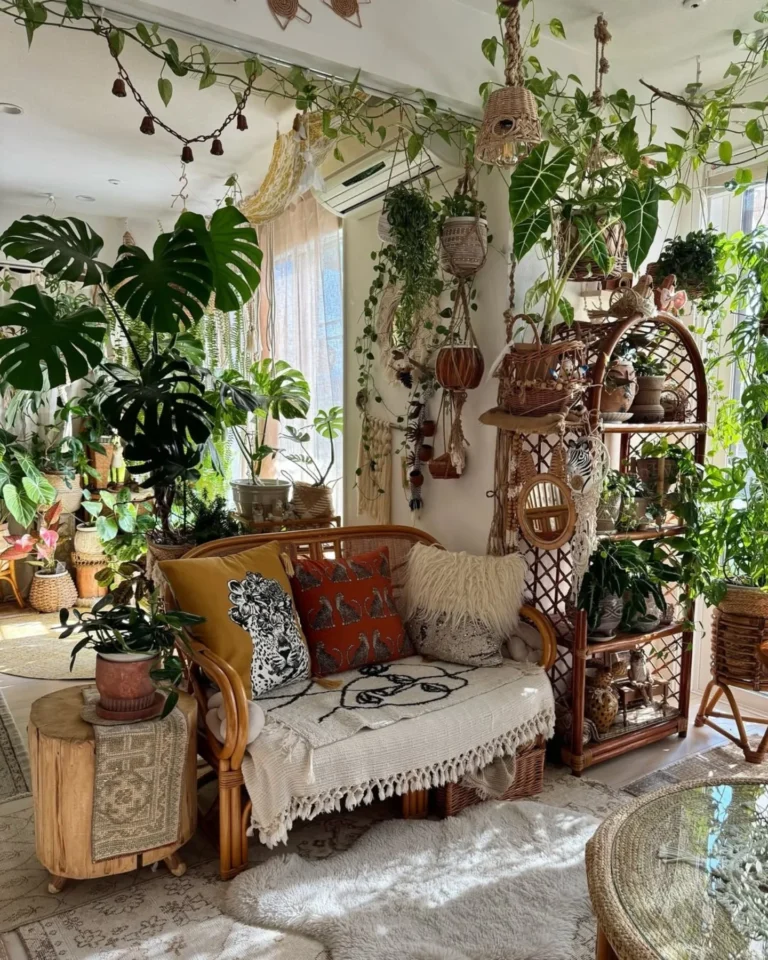
6. Hang Plants to Save Counter Space

Counter space is valuable in most kitchens.
Hanging planters let you enjoy greenery without sacrificing prep space. Trailing plants create movement and naturally draw the eye upward.
7. Mix Different Plant Heights

Instead of lining every pot up at the same level, combine tall, medium, and trailing plants.
This layered look feels more natural and gives your kitchen much more visual interest.
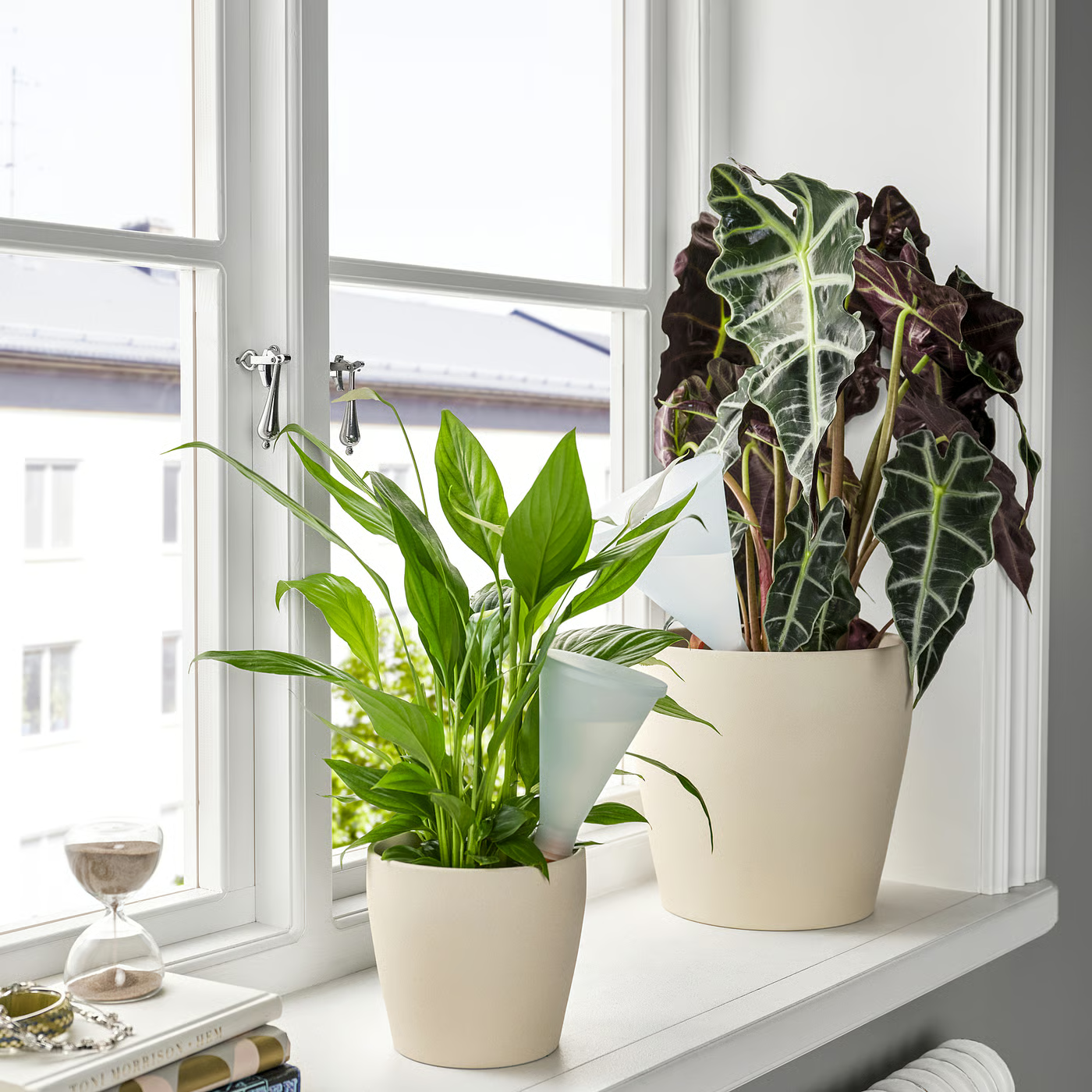
8. Decorate Your Kitchen Window

Windows are often the happiest place for plants.
Fill the sill with herbs, flowering plants, or leafy greenery that enjoys bright light. The natural sunshine helps them thrive while creating a cheerful view.
9. Use Wooden Elements

Plants pair beautifully with natural wood.
Wooden cutting boards, floating shelves, stools, or bowls help create a cozy kitchen that feels warm rather than sterile.
The combination of wood and greenery works with almost every decorating style.
10. Keep Counters Functional

It’s tempting to fill every spare corner with plants, but leave enough workspace for cooking.
One or two carefully chosen plants usually look better than covering every inch of countertop.
11. Choose Easy-Care Plants

Beginners should stick with plants that don’t mind the occasional missed watering.
Pothos, snake plants, ZZ plants, spider plants, and heartleaf philodendrons are all excellent choices for kitchens.
Starting with easy varieties builds confidence while keeping your space looking healthy.
12. Group Plants in Odd Numbers

Designers often use groups of three or five because they feel more balanced than even numbers.
Try combining different leaf shapes while keeping the pots similar for a polished look.
13. Add Texture With Baskets

Instead of placing every nursery pot directly on the counter, slide them into woven baskets or textured planters.
Natural materials add warmth while making inexpensive plastic pots look much more stylish.
14. Let Plants Frame Small Appliances

Plants can soften the appearance of coffee stations, tea corners, or breakfast bars.
A small trailing plant beside a coffee machine or kettle makes the area feel intentionally styled rather than purely functional.
15. Don’t Forget Vertical Space

Wall-mounted shelves, hanging rails, and plant brackets create opportunities for greenery without taking up valuable work surfaces.
This works especially well in smaller kitchens.
16. Match Plants to Your Kitchen Style

Modern kitchens often suit simple architectural plants, while farmhouse kitchens look wonderful with herbs, trailing vines, and terracotta pots.
Choosing plants that match your decorating style helps everything feel cohesive.
17. Let Your Collection Grow Naturally

You don’t need to fill your kitchen overnight.
Add plants gradually as you discover what grows well in your space. Over time, your kitchen develops its own personality, and every new plant feels like part of the story rather than another decoration.
The best plant-filled kitchens are usually built little by little, with each addition finding its perfect place.
Final Thoughts
Kitchen plant styling doesn’t have to be complicated. Start with a few easy-care plants, keep your layout simple, and focus on creating a space that feels comfortable to cook and spend time in.
As your confidence grows, so will your collection.
The nicest kitchens aren’t necessarily the ones with the most plants—they’re the ones where every plant feels like it belongs.