
17 Backyard Garden Play Areas Kids Will Love
A backyard can be so much more than a patch of grass. With a little creativity, it becomes a place where kids invent adventures, get muddy, build forts, discover bugs, and spend hours away from screens without even realizing it.
The best part is that a great play garden doesn’t need to be huge or expensive. A few thoughtful features can completely change how children use the space while still keeping your backyard attractive for the whole family.
Whether you’re starting with a tiny suburban yard or a larger garden, these backyard garden play area ideas can help create a space children will remember for years.
1. Nature-Inspired Climbing Logs

Instead of plastic climbing equipment, use sturdy logs, tree stumps, and large branches to create a natural obstacle course.
Children love balancing, hopping, and climbing across different heights while improving coordination and confidence. The irregular shapes also encourage imaginative play because the logs quickly become pirate ships, castles, or jungle bridges.
Choose hardwood logs with smooth surfaces and place soft mulch underneath for extra safety.
2. Mud Kitchen Corner

A mud kitchen is one of those play areas that never seems to lose its appeal.
An old bench, a few bowls, recycled pots, wooden spoons, and plenty of dirt can entertain children for hours. They’ll happily mix “soups,” bake pretend cakes, and decorate creations with flowers and leaves collected from around the garden.
Adding a nearby water source makes the experience even more exciting.
3. Secret Garden Path

Children love discovering hidden places.
Create a winding path using stepping stones, bark, or gravel that disappears behind shrubs, ornamental grasses, or climbing plants. The journey becomes just as fun as the destination.
Add little surprises along the way like fairy houses, painted rocks, or small garden ornaments.
4. Tree Stump Adventure Zone

Tree stumps can become stepping stones, balancing platforms, outdoor seating, or even tiny stages for performances.
Mix different heights and sizes to encourage movement while blending naturally into the landscape.
They’re durable, inexpensive, and fit almost any garden style.
5. Mini Fairy Garden

A dedicated fairy garden encourages storytelling and imaginative thinking.
Use miniature houses, tiny bridges, pebbles, moss, and child-safe plants to build a magical world children can continue adding to throughout the seasons.
It’s also a fun way to introduce kids to gardening.
6. Outdoor Reading Nook

Not every play space has to involve climbing or running.
A shaded corner with outdoor cushions, weather-resistant bean bags, and a small bookshelf creates a peaceful retreat for reading, drawing, or simply relaxing after active play.
Adding climbing vines overhead makes the area feel even more special.
7. Sandbox with Natural Borders

Frame a sandbox using timber sleepers, large rocks, or logs instead of plastic edging.
Natural materials blend beautifully into garden beds while providing seating for parents or children.
Adding buckets, toy diggers, and hidden treasures keeps the sandbox interesting year-round.
8. Butterfly Garden

Fill a sunny garden bed with nectar-rich flowers that attract butterflies and bees.
Children enjoy watching insects visit throughout the day while learning about pollinators and ecosystems.
Choose colorful flowers that bloom across multiple seasons for constant activity.
9. Teepee Hideaway

A simple wooden teepee covered with climbing beans, sweet peas, or flowering vines creates a cool shaded hideout.
Kids naturally turn these spaces into forts, camping sites, or secret headquarters.
As the plants mature, the structure blends beautifully into the garden.
10. Water Play Station

A simple water table, hand pump, or shallow water channel can provide endless entertainment during warmer months.
Children enjoy pouring, floating leaves, building dams, and experimenting with how water moves.
Always supervise water play and keep standing water shallow.
11. Stepping Stone Trail

Create a playful route through the lawn using colorful stepping stones.
Arrange them in winding patterns or fun shapes that encourage hopping, jumping, and balancing.
Children often invent games around the path without any prompting.
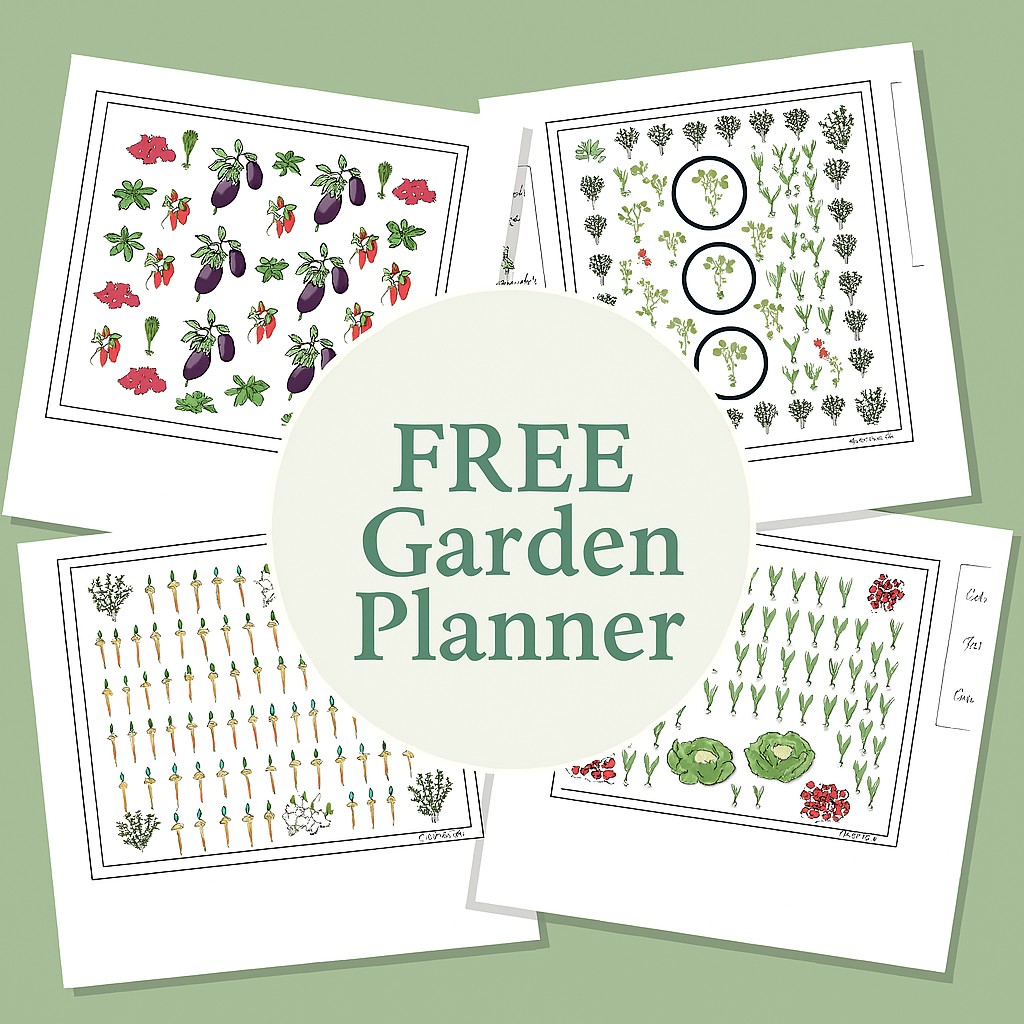
12. Raised Vegetable Beds for Kids

Give children their own small garden bed where they can grow cherry tomatoes, strawberries, carrots, or sunflowers.
Watching plants grow teaches patience while making children far more excited to eat what they’ve grown themselves.
Small gardening tools sized for children make the experience even more enjoyable.
13. Outdoor Chalk Wall

Attach a weatherproof chalkboard or paint part of a fence with outdoor chalkboard paint.
It quickly becomes a place for drawing, practicing letters, keeping score during games, or creating imaginative worlds.
Cleanup couldn’t be easier with a quick rinse.
14. Musical Garden

Hang recycled pots, bamboo chimes, wooden xylophones, or metal tubes where children can safely create music outdoors.
This sensory feature adds another layer of creativity and works well alongside flower beds and natural landscaping.
15. Rope Swing Under a Tree

If you have a mature tree with a strong healthy branch, a rope swing adds timeless backyard fun.
There’s something wonderfully simple about swinging beneath the trees while enjoying the fresh air.
Always install swings using hardware designed for outdoor play and inspect them regularly.
16. Balance Beam Trail

A low wooden balance beam can connect different play areas while encouraging coordination and active movement.
Arrange multiple beams with gentle turns to create a mini adventure course suitable for different ages.
Adding mulch underneath improves both appearance and safety.
17. Open Lawn for Imagination

Sometimes the best play area is simply an open patch of grass.
Without fixed equipment, children naturally invent games, build obstacle courses, play tag, kick a ball, or spread out picnic blankets for pretend adventures.
Leaving some flexible open space ensures the garden can grow alongside your children’s changing interests.
Creating a Backyard They’ll Never Outgrow
The most memorable backyard play areas aren’t always the biggest or the most expensive.
They’re the ones that encourage imagination, exploration, and a connection with nature.
By combining natural materials, simple play features, and a few dedicated spaces for creativity, you can create a garden that keeps children active while still looking beautiful for the rest of the family.
As kids grow, many of these features continue to evolve, making the backyard a place they’ll enjoy long after the playground years have passed.