
How to Grow a Banana Tree in a Pot From a Banana (What Actually Works)
Have you ever looked at a banana from the grocery store and wondered if you could grow your own banana tree from it?
It’s one of those gardening ideas that pops up all over social media, but the truth is a little different from what many people expect.
The good news is that you absolutely can grow a banana tree in a pot. The not-so-good news is that you usually can’t grow one from the bananas you buy at the supermarket because those bananas don’t contain viable seeds.

That doesn’t mean you can’t start your own banana plant, though. In this guide, I’ll explain why grocery bananas don’t work, what your options are, and exactly how to grow a healthy banana tree in a container.
Can You Grow a Banana Tree From a Banana?
Technically, yes—but only if the banana contains mature seeds.
The bananas sold in grocery stores are seedless varieties that have been bred over hundreds of years.

Those tiny black dots you see inside aren’t actual seeds that can germinate. They’re undeveloped seed remnants.
Wild bananas, on the other hand, produce large, hard seeds that can be planted. They’re very different from the sweet bananas most of us eat.

So if your goal is to grow a banana tree from the fruit sitting in your kitchen, unfortunately it won’t happen.
Luckily, there are much easier ways to grow one.
The Best Way to Start a Banana Tree
Most home gardeners start with either:
- A banana pup (also called a sucker)
- A tissue-cultured young plant
- Seeds from wild ornamental banana varieties
For beginners, buying a healthy banana pup is by far the easiest option. It establishes quickly and often grows several feet during its first season.
Choosing the Right Pot

Banana trees grow surprisingly fast and develop large root systems.
Start with a pot that’s at least:
- 15–20 inches (38–50 cm) wide
- Has several drainage holes
- Made from sturdy plastic, ceramic, or fabric
As the plant grows, you’ll likely repot it every couple of years.
A heavy container also helps prevent the plant from tipping over once the leaves become large.
The Best Potting Mix

Bananas love rich, well-draining soil.
A simple mix works perfectly:
- 50% quality potting mix
- 25% compost
- 25% perlite or coarse sand
This combination holds moisture while still allowing excess water to drain away.
Avoid dense garden soil, which compacts inside containers.
Step 1: Plant Your Banana Pup

Fill the container about halfway with potting mix.
Place the pup so the roots spread naturally and the base of the stem sits just above the soil line.
Backfill gently and firm the soil without packing it tightly.
Water thoroughly until excess water drains from the bottom.
The soil should be evenly moist but never soggy.
Step 2: Give It Plenty of Sun

Bananas thrive in warmth.
Aim for:
- 6–8 hours of direct sunlight daily
- Warm temperatures between 75–95°F (24–35°C)
- Protection from strong winds
If you’re growing indoors, place the pot beside your brightest south- or west-facing window.
Grow lights can also help during winter.
Step 3: Water Consistently

Banana plants are thirsty.
Check the soil every few days.
When the top inch feels dry, water deeply until it drains through the bottom of the pot.
During hot summer weather you may need to water almost daily, while winter usually requires much less.
Never leave the pot sitting in water for extended periods.
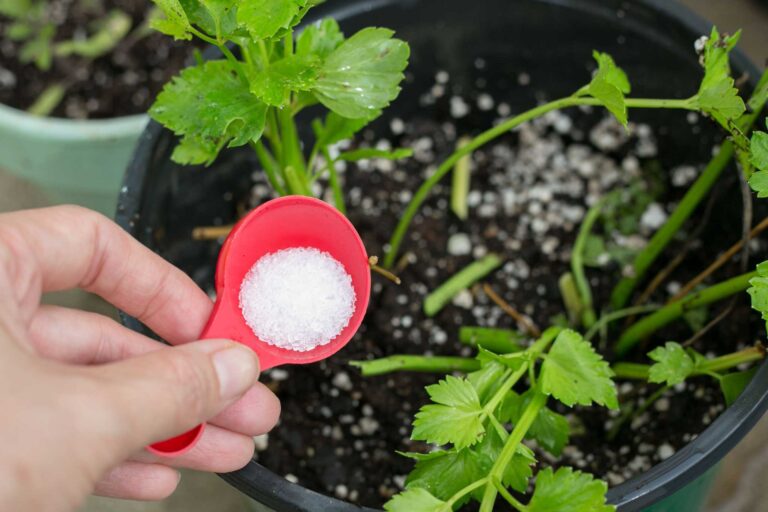
Step 4: Feed Regularly

Fast-growing plants need lots of nutrients.
Use a balanced fertilizer every 2–4 weeks during spring and summer.
Organic options like compost tea, worm castings, or slow-release organic fertilizer also work well.
Well-fed banana plants produce noticeably larger leaves and stronger stems.
Step 5: Remove Damaged Leaves

As your banana grows, older leaves naturally turn yellow or brown.
Trim them off using clean pruning shears.
This improves airflow and helps the plant focus energy on new growth.
Don’t remove healthy green leaves unless they’re damaged.
Step 6: Repot When Needed

Eventually the roots will outgrow the container.
Signs it’s time to repot include:
- Roots growing through drainage holes
- Water running straight through the pot
- Slower growth despite regular feeding
Move the plant into a container about 2–4 inches wider than the previous one.
Fresh potting mix also gives the roots a boost.
Can Banana Trees Produce Fruit in Pots?

Yes—they can.
Many dwarf banana varieties produce fruit successfully in containers if given enough sunlight, warmth, water, and fertilizer.
Depending on the variety, fruit may appear after 18–36 months.
Popular container-friendly varieties include:
- Dwarf Cavendish
- Super Dwarf Cavendish
- Dwarf Brazilian
- Dwarf Namwah
Keep in mind that cooler climates may require moving the plant indoors during winter.
What If You Really Want to Grow From a Banana?

If you’re interested in growing directly from fruit, you’ll need bananas from wild species that contain mature seeds.
These are usually sold through specialty seed suppliers rather than grocery stores.

Growing from seed takes patience.
Seeds often need several weeks—or even months—to germinate, and the plants grow much more slowly than pups.
For most gardeners, starting with a young plant is far more rewarding.
Common Problems
Yellow Leaves

Usually caused by overwatering, poor drainage, or natural aging.
Check the soil before watering again.
Brown Leaf Edges

Often the result of dry air or inconsistent watering.
Increase humidity if growing indoors.
Slow Growth
Usually means the plant needs more sunlight, warmer temperatures, or additional fertilizer.
Pests

Watch for spider mites, aphids, and mealybugs.
Treat early with insecticidal soap or neem oil.
Final Thoughts
Growing a banana tree in a pot is surprisingly achievable, even if you don’t live in the tropics.
While you won’t be able to grow one from the seedless bananas in your fruit bowl, starting with a banana pup or a young nursery plant gives you a head start and much better odds of success.
With a sunny spot, rich soil, regular watering, and a little patience, you’ll have an eye-catching tropical plant that can thrive for years in a container.
And if you choose a dwarf fruiting variety, you might even harvest your own bananas one day—right from your patio or balcony.