
15 Small Kitchen Window Plant Ideas for Beginners
A kitchen window is one of those little spots that can completely change the feel of a room. Add a few plants and suddenly the kitchen feels fresher, softer, and a bit more lived-in.
You don’t need a huge windowsill either. Some of the nicest kitchen window plant setups are actually quite small.
A couple of herb pots, one trailing plant, maybe a recycled jar with something growing in water. That’s often plenty.
The trick is choosing plants that suit the light you have and won’t become a hassle every time you need to open the window or wipe down the bench.
These ideas are simple enough for beginners, even if you’ve never managed to keep a houseplant alive for very long.
1. Start With a Small Pot of Basil

Basil is probably one of the easiest plants to picture sitting in a kitchen window. It looks cheerful, smells lovely, and you can actually use it while cooking.
Place it near a bright window where it receives several hours of light. Basil likes its soil slightly moist, but it doesn’t enjoy sitting in water. A pot with drainage holes makes life much easier.
Harvesting the leaves regularly also helps the plant become bushier. Pinch leaves from the top rather than pulling everything from the bottom.
It feels a bit strange at first, but the plant usually grows better for it.
2. Grow Spring Onions in Water

This is such an easy little project, especially when you’re just getting started.
After using spring onions, leave the white ends and roots intact.
Place them upright in a small glass with enough water to cover the roots. Within a few days, green shoots normally begin growing again.
Change the water every couple of days so it stays fresh.
They won’t grow forever like this, but you can usually get several extra harvests without buying another bunch.
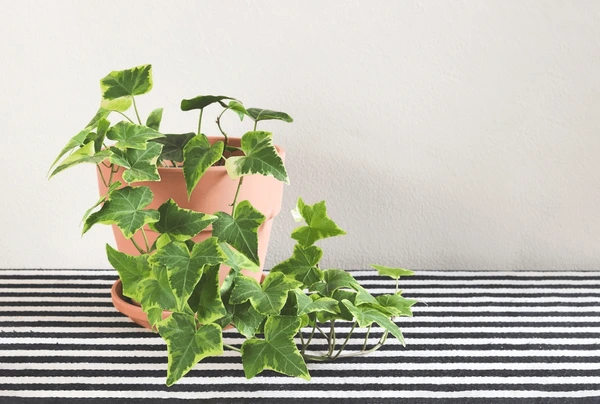
3. Use Matching Terracotta Pots

When space is limited, using the same type of pot can make the whole window area feel calmer and less cluttered.
Small terracotta pots work particularly well because they suit herbs, succulents, and compact houseplants.
They also have that slightly imperfect, earthy look that feels right at home in a kitchen.
You don’t need everything to match perfectly, though. Even three similar pots in slightly different sizes can look nicely put together.
Just remember that terracotta dries out faster than plastic or glazed ceramic. Check the soil a little more often, especially during warmer weather.
4. Try a Small Pothos Cutting

A full pothos plant can quickly take over a small windowsill, but a single cutting in water is much easier to manage.
Snip a healthy piece of pothos just below a node and place it in a clear jar. The node is the small bump where roots and leaves grow. Keep the leaf above the water and the node underneath it.
Roots often begin appearing within a few weeks. Watching them grow is half the fun, really.
Keep pothos out of strong, hot afternoon sun because the leaves can scorch. Bright indirect light tends to work best.
5. Add a Compact Aloe Vera Plant

Aloe vera is handy for anyone who tends to forget watering.
It prefers bright light and usually needs less water than leafy herbs.
Allow the soil to dry before watering again, and make sure the pot drains properly.
Choose a younger, compact aloe rather than a large mature plant. Big aloe plants can become surprisingly wide and awkward on a narrow windowsill.
6. Make a Tiny Succulent Group

A few small succulents can work well in a sunny kitchen window, especially when the sill is too narrow for larger plants.
Rather than filling every inch, group two or three together and leave a little breathing room around them. Too many tiny pots can start looking busy very quickly.
Succulents need plenty of light, but even they can burn if they’re suddenly placed in harsh sun. Introduce them to brighter conditions gradually.
They also need less water than most beginners expect. When in doubt, check whether the soil is completely dry before watering.
7. Grow Mint in Its Own Pot

Mint is easy to grow and useful for drinks, salads, sauces, and desserts.
It’s also quite enthusiastic. That’s a polite way of saying it can spread everywhere.
Keeping mint in its own pot stops it from crowding out other herbs.
It likes regular watering and can handle slightly less light than basil, although it still grows best in a fairly bright spot.
Trim it often to keep it neat. Once mint becomes leggy, it can flop across the window and begin blocking light from everything else.
8. Use a Hanging Planter Beside the Window

Sometimes the windowsill itself is simply too small. In that case, look upward.
A small hanging planter placed beside the window gives you greenery without using valuable bench or sill space.
Trailing pothos, heartleaf philodendron, and spider plants are all fairly forgiving options.
Keep the planter slightly to one side rather than directly in front of the glass. That way it won’t block too much daylight or make opening the window difficult.
Make sure the hook is properly secured too. A watered plant is much heavier than an empty pot.
9. Place Herbs in a Narrow Window Box

A slim indoor window box can hold several small herbs without making the space feel messy.
Try combining herbs that enjoy similar growing conditions. Parsley, chives, and coriander can work nicely together if the container has enough room and good drainage.
Avoid packing too many plants into one box. They may look fine when newly planted, but they’ll compete for water and space once they begin growing.
A removable tray underneath the planter will help protect painted or wooden windowsills from moisture.
10. Grow Microgreens in a Shallow Tray

Microgreens are ideal when you want something quick.
Unlike many herbs, you don’t have to wait months before harvesting them. Depending on the variety, they may be ready within a couple of weeks.
Use a shallow tray with drainage holes and place it near a bright window. Radish, broccoli, mustard, and pea shoots are all popular choices for beginners.
Keep the growing mix damp but not soaked. A spray bottle makes this easier during the first few days.
Once the shoots are a few centimetres tall and have developed their first leaves, you can snip them with clean scissors and add them to sandwiches or salads.
11. Add a Small Spider Plant

Spider plants are forgiving, quick-growing, and generally happy in bright indirect light.
A young spider plant fits nicely into a small pot and brings a softer, leafy shape to a kitchen window. Over time, it may produce baby plants that hang from long stems.
Those babies can be trimmed off and rooted in water or planted directly into soil. Before you know it, one plant turns into several.
Avoid placing it against very hot glass. The leaf tips can dry out if the window becomes too warm.
12. Root Herbs From Cuttings

Some kitchen herbs are surprisingly easy to root in water.
Mint, basil, rosemary, and oregano cuttings can all be tried, although mint and basil are normally the quickest.
Remove the lower leaves, place the stems into water, and keep the jars near a bright window. Once the roots are a few centimetres long, the cuttings can be transferred into potting mix.
Not every cutting will survive, and that’s fine. Take a few at the same time rather than relying on just one.
Small jars grouped together can look lovely without taking up much room.
13. Use a Tiered Windowsill Shelf

A small tiered shelf lets you fit more plants into a narrow area while still allowing each one to receive light.
Place taller plants on the upper or back level and lower-growing plants in front. This stops large leaves from shading everything beneath them.
Try not to fill every tier straight away. Leave enough space to water, turn, and inspect each pot.
It’s much easier to deal with pests or dry soil when you can actually reach the plants without knocking three others over.
14. Grow Thyme in a Sunny Spot

Thyme is compact, fragrant, and doesn’t need constant attention.
It prefers plenty of light and soil that drains well. Allow the top layer of soil to dry before watering again.
Because thyme stays fairly low, it’s a good choice for a narrow window where taller herbs might become annoying.
Trim small amounts regularly for cooking. Taking a few stems here and there helps the plant stay full rather than becoming woody and sparse.
15. Create a Simple Mixed Herb Window

Once you’ve worked out which plants do well in your kitchen, you can begin mixing a few favourites together.
You might have basil for pasta dishes, mint for drinks, thyme for roasting, and spring onions regrowing in a jar.
It doesn’t need to look perfectly styled. A useful little collection often feels more natural anyway.
Keep the tallest plant toward the side or back so it doesn’t shade smaller herbs. Rotate the pots every week or so to stop them leaning too heavily toward the window.
It’s also worth checking each pot individually before watering. Plants sitting beside one another may still dry out at completely different speeds.
How to Choose Plants for Your Kitchen Window
Before buying anything, watch the window for a day or two.
A south-facing window in the Northern Hemisphere often receives strong light, while a north-facing window usually gets softer light. In the Southern Hemisphere, it’s generally the opposite.
Nearby buildings, fences, trees, and roof overhangs can also make a big difference.
A sunny window suits herbs such as basil and thyme, along with aloe and many succulents. A bright window without intense direct sun may be better for pothos, spider plants, and mint.
Start with one or two plants rather than buying a full windowsill’s worth. It’s easier to learn what the space is like when you’re not trying to care for ten different plants at once.
Keeping a Small Windowsill Tidy
Water rings and loose soil can make a kitchen window look messy pretty quickly.
Use small saucers beneath pots and wipe away spills as soon as you notice them. Every few weeks, lift the plants and clean beneath them. It only takes a minute when there aren’t too many pots.
Turn plants regularly so they grow more evenly. You can also trim long stems before they begin hanging into the sink or getting caught when the window opens.
And don’t worry if one plant doesn’t work out. Sometimes the light is wrong, sometimes the room is too cold, and sometimes a plant simply decides it has had enough. It happens.
Final Thoughts
A small kitchen window doesn’t need to become a full indoor jungle to feel greener.
One healthy herb pot or a few cuttings in old jars can make a noticeable difference. Start small, see what enjoys the light, and build from there.
The nicest kitchen window gardens usually aren’t the most complicated ones. They’re the ones that fit into everyday life, survive a few missed waterings, and occasionally end up in dinner.