20 Planter Ideas Around a Pool Area for a Lush and Beautiful Backyard
The right planters can turn a plain pool area into a lush, inviting outdoor retreat.
From tall containers that create privacy to colorful arrangements that soften hard surfaces, these planter ideas around a pool combine beauty with practical design.
Explore ways to choose pool-friendly materials, place plants safely, and create a backyard landscape that feels polished, comfortable, and easy to maintain.
Use Tall Planters to Create Privacy Around the Pool

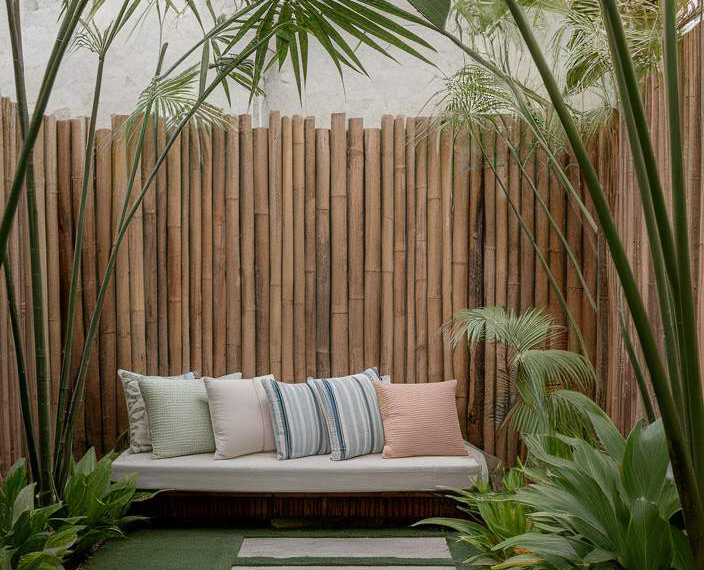
Tall planters are a flexible way to create privacy around a pool without building a permanent wall.
Place several matching containers along the property line, behind lounge chairs, or beside the pool house to interrupt sightlines while keeping the space open and airy. Choose narrow, upright planters when deck space is limited.
Fill them with clumping bamboo, ornamental grasses, podocarpus, palms, or other tall plants suited to your climate. Repeating the same planter shape gives the arrangement a polished look, while varied foliage adds softness and movement.
Use heavy, weather-resistant containers and secure taller plants in windy locations. Keep the planters far enough from the coping to make walking, cleaning, and pool maintenance easy.
Frame the Pool Entrance with Matching Planters

Make the route to the pool feel intentional by placing matching planters on both sides of the entrance.
This simple symmetrical arrangement can highlight a gate, walkway, staircase, or opening through a privacy screen. Choose containers that repeat a finish already used in the patio, fence, or home exterior for a connected look.
For a classic entrance, use clipped boxwood, bay trees, palms, or upright grasses in identical pots.
Keep the plants similar in height so the doorway remains the focal point, and leave enough clearance for people carrying towels, food, or pool equipment. If the entrance is wide, add a second pair farther inside the pool area to create a layered arrival sequence.
Add Tropical Plants for a Resort-Inspired Look

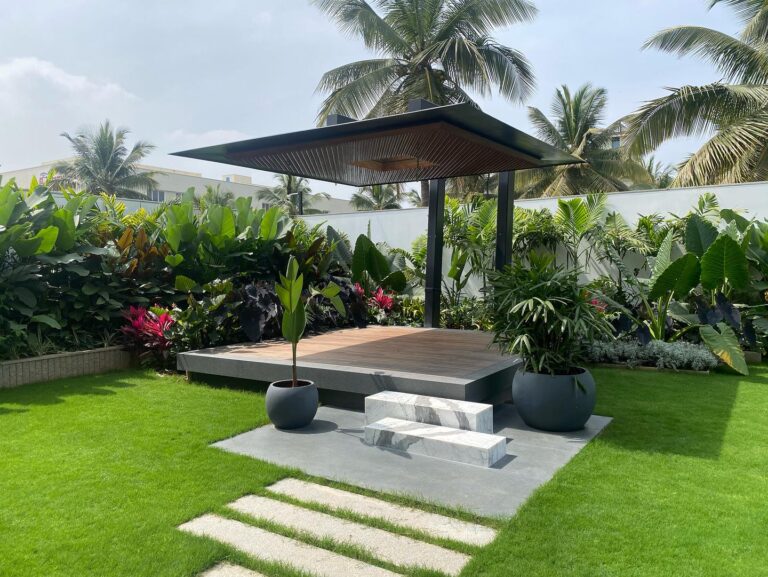
Tropical plants can instantly turn an ordinary pool area into a backyard retreat. Layer palms, bird of paradise, elephant ears, bananas, cordylines, and broad-leaf plants in large containers around the pool deck.
Use different heights and leaf shapes to create the relaxed, abundant feeling associated with a resort garden.
For the strongest effect, repeat a few key plants rather than mixing every variety available.
Terracotta, textured concrete, and natural stone planters reinforce the vacation-inspired mood, while lush green foliage pairs beautifully with blue water and pale paving. Position taller containers behind loungers or in corners, and keep low plants near circulation paths so the arrangement feels full without blocking movement or views.
Line the Pool Deck with Slim Rectangular Planters

Slim rectangular planters create a clean border along the pool deck while using very little floor space. Arrange them in a straight line beside the water, along a retaining wall, or behind a row of loungers to add greenery without making the deck feel crowded.
Their long, low profile works especially well with modern pools and linear architecture.
Choose dark composite, concrete-look, or powder-coated planters to echo the pool coping and paving. Fill them with ornamental grasses, succulents, trailing plants, or compact shrubs that can handle sun and occasional splash.
Keep the planting height moderate along busy edges, and use a continuous rhythm of identical boxes for a tailored effect. Leave clear walking space between the planters and the pool for safety and maintenance.
Create a Lush Corner with Layered Container Plants

Turn an unused poolside corner into a small, leafy retreat by combining containers at different heights. Start with one tall planter holding a banana plant, palm, canna, or other architectural specimen.
Surround it with medium pots filled with bold foliage, then finish the front edge with trailing sweet potato vine, calibrachoa, or ornamental grass.
Keep the arrangement relaxed rather than perfectly symmetrical, and repeat colors or pot finishes to make the collection feel intentional. Place the tallest plants toward the back so they frame the pool without blocking views.
Choose lightweight, weather-resistant containers with drainage holes, and leave enough room between pots for easy cleaning, walking, and pool maintenance.
Use Oversized Planters as Dramatic Focal Points

Make a strong design statement with one or two oversized planters positioned where they naturally draw the eye. Place them at the end of the pool, beside an outdoor shower, near a seating area, or on either side of steps.
A tall ceramic, concrete, or Corten steel vessel can give the pool deck architectural presence while adding softness through foliage.
Choose a plant with a clear silhouette, such as an olive tree, bird of paradise, palm, agave, or clipped evergreen. Large containers should feel substantial but never obstruct circulation or sightlines.
Repeat the planter shape elsewhere in smaller doses, or balance one statement vessel with simple surrounding greenery for a polished, resort-inspired look.
Brighten the Pool Area with Colorful Flower Planters

Bring instant energy to a neutral pool deck with planters overflowing with colorful flowers. Use a simple formula of one upright plant, several mounding bloomers, and a trailing variety that spills over the rim.
Pink mandevilla, lantana, calibrachoa, dipladenia, coleus, and caladiums create a lively palette that feels festive without requiring permanent garden beds.
Echo the pool’s surroundings when choosing colors: blue and white flowers complement cool water tones, while coral, pink, yellow, and orange create a tropical contrast.
Cluster matching pots near loungers or dining spaces, but keep them far enough from the water to avoid dropped petals and excessive debris. Select heat-tolerant plants suited to the area’s sun exposure.
Soften Pool Fencing with Climbing Plants and Containers

Pool fencing can be practical without becoming the visual focus of the backyard. Soften rigid panels by placing deep containers along the fence line and training climbers onto a slim trellis, wire grid, or freestanding support.
Star jasmine, clematis, climbing roses, or a suitable annual vine can gradually turn a stark boundary into a textured green backdrop.
Use containers instead of planting directly beside the fence when you need flexibility or want to protect the structure from aggressive roots. Keep vines neatly tied and trimmed so they do not interfere with gates, latches, safety barriers, or the pool water.
Combine the climber with low grasses, ferns, or flowering plants to create a layered screen that feels private yet welcoming.
Arrange Symmetrical Planters Along the Pool Edge

Symmetrical planters create an instant sense of order around the pool. Place matching containers at opposite corners, beside the steps, or at either end of a long pool edge to frame the water and reinforce the backyard’s architecture.
Tall urns, tapered concrete pots, or sleek rectangular planters work especially well when their shape echoes the pool’s lines.
For a polished look, repeat both the planter style and the planting combination.
Evergreen shrubs, clipped topiary, palms, or sculptural foliage can provide structure, while seasonal flowers add color without disturbing the balanced arrangement.
Keep the containers far enough from the coping to leave a clear walking path and reduce the chance of leaves or soil reaching the water.
Choose Drought-Tolerant Plants for a Low-Maintenance Display

Drought-tolerant plants are among the most practical planter ideas around a pool, especially in hot, sunny backyards. Fill containers with lavender, rosemary, sage, agave, aloe, sedum, or ornamental yucca to create a
Mediterranean-inspired display that can handle heat and occasional missed waterings. Choose plants with similar light and moisture needs so the arrangement stays healthy and easy to manage.
Use large containers with excellent drainage and a lightweight, fast-draining potting mix. Grouping several drought-resistant planters near the pool can create a cohesive focal point without demanding daily care.
Keep spiky plants away from busy walkways, loungers, and entrances, and use drip irrigation if the containers need more consistent watering during extended dry periods.
Add Ornamental Grasses for Movement and Texture

Ornamental grasses bring softness and movement to the hard, reflective surfaces surrounding a pool. Their fine blades sway in the breeze, adding a relaxed resort feeling while contrasting with straight coping, tile, and decking.
Use fountain grass, blue fescue, bamboo muhly, Japanese forest grass, or compact miscanthus in tall pots where their texture can be appreciated from the water and seating areas.
For a layered display, combine one upright grass with lower trailing plants or contrasting succulents.
Repeating the same grass in several containers creates rhythm, while mixing varieties gives the planting a more natural appearance. Choose clumping types that are less likely to spread, and position them where windblown seed heads will not collect heavily in the pool.
Use Built-In Planters to Blend Landscaping with the Deck

Built-in planters make the landscaping feel like part of the pool deck rather than an accessory added afterward. Integrate planter boxes into a bench, stair landing, privacy wall, or deck perimeter to create a clean transition between hardscape and greenery.
Matching the planter material to the decking—such as cedar, composite boards, stone, or concrete—helps the entire area look intentional.
Design the planter with proper drainage, a waterproof liner, and enough soil depth for the selected plants. Leave clear space around the pool equipment, walking routes, and safety cover.
Low shrubs, grasses, and compact evergreens are useful choices because they soften the deck without overwhelming it. Built-in planters can also define separate lounging and dining zones around the pool.
Create a Mediterranean Pool Garden with Terracotta Pots

Give your pool area the warmth of a Mediterranean courtyard by arranging terracotta pots in varied sizes around the deck. Use one or two large containers as anchors, then layer in smaller pots filled with lavender, rosemary, thyme, geraniums, or trailing flowers.
A potted olive or citrus tree can add height and create an elegant focal point.
Keep the palette relaxed with pale stone, gravel, stucco-toned walls, and blue or white ceramic accents. Position containers where they frame the pool without narrowing walkways, and choose pots with drainage holes to protect plants from overwatering.
Repeating terracotta across the space helps connect the planting to the pool’s hardscape while creating an inviting vacation-like atmosphere.
Add Fragrant Herbs in a Sunny Poolside Planting Area

Turn a sunny corner beside the pool into a small sensory garden with fragrant herbs in raised beds or attractive containers. Rosemary, lavender, thyme, sage, oregano, and basil all bring useful foliage, soft color, and scents that become stronger in warm weather.
Place the most aromatic plants near a seating area, outdoor kitchen, or pathway where people can brush against them.
Group herbs with similar watering needs, keeping thirstier basil separate from drought-tolerant rosemary and thyme. Choose compact planters that are easy to reach and avoid placing loose soil or shedding plants directly beside the water.
A simple combination of silvery foliage, purple flowers, and terracotta or stone containers can make the planting feel intentional while adding a welcoming Mediterranean character.
Use Cacti and Succulents for a Modern Pool Landscape

Cacti and succulents are ideal for a modern pool landscape because their bold shapes create structure without demanding constant maintenance.
Arrange agaves, aloes, echeverias, yuccas, or columnar cacti in tall rectangular planters, low bowls, or built-in beds. Repeat a limited selection of forms so the planting looks architectural rather than cluttered.
Pair sculptural plants with smooth concrete, dark gravel, timber, or pale stone to emphasize their geometry.
Keep spiny varieties away from busy circulation routes and swimming areas, especially where children or pets play. A restrained palette of green, blue-gray, and dusty purple foliage can echo the pool water while providing year-round texture and a crisp contemporary edge.
Bring Shade and Structure with Planters Around a Pergola

Use planters around a pergola to make the poolside structure feel grounded, private, and connected to the rest of the landscape.
Place matching oversized containers at the posts to emphasize the pergola’s shape, then add softer plants such as palms, ferns, grasses, or flowering vines. Tall planters can also screen an outdoor dining area without creating a permanent wall.
Choose plants according to the changing light beneath the pergola. Use sun-loving species along the outer edge and shade-tolerant foliage closer to the covered seating.
Leave enough space for chairs, circulation, and pool access, and select heavy, stable containers that will not tip in wind. Repeating planters on both sides creates balance while adding useful shade and visual structure.
Decorate a Small Pool Area with Vertical Planters

When floor space is limited, vertical planters let you bring abundant greenery to the pool without narrowing the walking area. Mount modular planting pockets on a sunny wall, install a slim trellis planter, or use a tall freestanding screen filled with ferns, ornamental grasses, trailing vines, and compact tropical plants.
A living wall can also soften a blank privacy fence and create a lush backdrop behind a small plunge pool.
Keep the arrangement visually light by choosing narrow containers and repeating one or two plant colors. Use drip irrigation and make sure excess water drains away from the pool deck.
Position vertical planters where they will not obstruct gates, equipment access, or required safety sightlines.
Use Poolside Planters to Define a Lounge or Dining Zone

Use planters as soft boundaries to make a pool deck feel organized without building permanent walls.
A row of long rectangular containers can separate lounge chairs from the main walkway, while two or three taller planters can frame an outdoor dining table or create a more intimate conversation area. Choose open arrangements that guide movement rather than blocking access to the water.
For a relaxed look, combine low planters with airy grasses or loose shrubs. For more privacy, use taller containers planted with bamboo, clumping palms, or dense evergreen screening plants.
Repeat the same planter finish around each zone so the lounge and dining areas feel connected, even when they serve different purposes.
Mix Planter Heights, Shapes, and Textures for Visual Interest

A pool area can look flat when every container is the same size and shape. Create a more layered composition by combining a tall cylindrical planter, a low rectangular trough, and a rounded bowl or urn.
Fill them with plants that contrast in form, such as upright palms, spiky agaves, soft ornamental grasses, broad tropical leaves, and trailing vines.
Keep the grouping intentional by repeating one material or color throughout the arrangement. Place the tallest planter toward the back, medium containers near seating, and low bowls closer to the pool edge where they will not interrupt views.
Leave breathing room between groups so the mixture feels curated rather than cluttered.
Select Safe, Durable Planters and Pool-Friendly Plants

Choose poolside containers for performance as well as appearance. Weather-resistant fiberglass, powder-coated metal, resin, and quality concrete-look planters can withstand sun, rain, and regular cleaning better than fragile decorative pots.
Look for stable, wide bases, smooth edges, drainage holes, and finishes that will not shed loose pieces onto the deck. Keep containers far enough from the coping to prevent leaves and soil from entering the water.
Select plants suited to your climate, available light, and occasional splash from chlorinated or saltwater.
Compact palms, ornamental grasses, agaves, cordyline, bougainvillea, and many drought-tolerant foliage plants can work well when correctly matched to conditions. Avoid thorny, highly shedding, or messy plants near busy walkways and swimming areas.
Beautiful poolside planters do more than add greenery—they define spaces, soften hardscape, and make the backyard feel more welcoming.
By combining varied heights, durable materials, and plants suited to your climate and pool conditions, you can create a lush design that looks intentional and remains enjoyable throughout the season.