21 Desert Garden Design Ideas for a Beautiful Low-Maintenance Landscape
A well-planned desert garden can be colorful, inviting, and remarkably easy to maintain.
By combining drought-tolerant plants with gravel, boulders, shade structures, and thoughtfully designed outdoor spaces, you can create a landscape that feels connected to its natural surroundings without demanding constant watering.
Explore these desert garden design ideas to find practical ways to add texture, personality, and year-round interest to your yard.
Plan a Gravel-Based Desert Garden Foundation

Start your Desert Garden Design with a clean gravel foundation that replaces thirsty lawn and creates a calm, cohesive ground plane.
Choose a warm decomposed granite, pale crushed stone, or a mix of contrasting gravel sizes to complement your home’s exterior.
Install landscape edging around paths and planting beds to keep the stone contained and maintain crisp lines.
Use the gravel as a backdrop for drought-tolerant plants such as agaves, yuccas, barrel cacti, and desert grasses.
Before spreading the stone, prepare the soil, address drainage, and install irrigation lines so the finished garden remains easy to maintain. Occasional raking, weed removal, and refreshing thin areas will keep the surface looking polished.
Frame the Entry with Sculptural Agaves

Make the front door feel intentional by framing it with sculptural agaves. Their symmetrical rosettes, pointed leaves, and blue-green coloring create a strong architectural contrast against stucco walls, wood, stone, or concrete.
Place matching specimens on both sides for a formal look, or use an intentionally unbalanced grouping for a more natural desert composition.
Give each agave enough room to display its full shape and avoid crowding the walkway. Surround the plants with gravel or fine rock mulch to emphasize their silhouettes and reduce evaporation.
Add a low accent plant, such as golden barrel cactus or aloe, to soften the arrangement without competing with the agaves at the entry.
Build a Layered Cactus Rock Garden

Create depth in a small space by combining cacti, succulents, and rocks at several visual levels.
Begin with one taller anchor, such as an organ pipe cactus or columnar cactus, then add rounded barrel cacti, low rosette succulents, and spreading ground covers in front. This layered approach gives the garden a fuller appearance without relying on high-water plants.
Arrange rocks in natural-looking clusters rather than scattering them evenly. Partially bury larger stones so they appear settled into the landscape, and use smaller gravel to connect the planting pockets.
Repeat a few plant shapes or colors throughout the bed for rhythm. Keep open space around each cactus to highlight its silhouette and simplify maintenance.
Use Boulders to Add Natural Structure

Large boulders can give a desert garden the grounded, geological character it needs. Choose stones that echo the colors and textures found nearby, then position them as anchors around planting beds, paths, or changes in grade.
Odd-numbered groupings usually feel more natural than evenly spaced rows, especially when each boulder is rotated to show its most interesting face.
Set the stones slightly into the soil rather than placing them on top of the gravel. This makes them look established and prevents the garden from feeling staged.
Pair boulders with agaves, sotol, prickly pear, or ornamental grasses to soften their edges. Keep enough open gravel around each grouping so the stone remains visible and easy to maintain.
Design a Dry Creek Bed for Drainage and Texture

A dry creek bed can turn a drainage challenge into one of the most attractive features in a Desert Garden Design.
Shape a shallow, gently curving channel where rainwater naturally moves, then line it with a mix of rounded river rock, gravel, and larger boulders. The varied stone sizes create a more natural appearance while helping slow runoff and reduce erosion.
Keep the creek bed open through the center, and place drought-tolerant plants along the banks rather than directly in the water path.
Desert marigold, penstemon, ornamental grasses, and trailing ground covers soften the hardscape without blocking drainage. Use contrasting stone colors to define the creek against decomposed granite or gravel mulch.
Plant a Colorful Desert Wildflower Meadow

Bring seasonal color to a gravel yard by replacing a small lawn area with a desert wildflower meadow.
Choose regionally adapted annuals and perennials such as Mexican gold poppies, desert marigolds, globemallow, lupine, penstemon, and desert bluebells. A loose mix of flower heights and bloom colors makes the planting feel natural while supporting bees and butterflies.
Prepare a sunny, well-drained area with lightly amended soil, then scatter seed according to local planting recommendations.
Keep a simple gravel or decomposed-granite path through the meadow so the flowers feel intentional rather than overgrown. After blooming, allow seed heads to mature before cutting plants back, giving the garden visual interest and helping encourage next season’s display.
Add Shade with a Southwestern Courtyard Tree

A well-placed tree can make a desert courtyard feel cooler, calmer, and more livable.
Select a Southwestern species suited to your climate, such as Desert Museum palo verde, mesquite, desert willow, or a carefully chosen native acacia. Plant it where the canopy will shade a seating area without crowding walls, foundations, or overhead utilities.
Use the tree as the courtyard’s focal point, surrounding it with gravel mulch, sculptural boulders, and low-water plants.
A simple masonry wall, stucco bench, or tiled patio can reinforce the Southwestern character while keeping the design uncluttered. Choose a tree with an airy canopy for filtered light, allowing cacti, agaves, and flowering perennials to thrive beneath it.
Create a Cool Patio with a Pergola

A pergola gives a desert patio structure, shade, and a clear destination for outdoor living. Position it over the main seating or dining area, then orient the rafters to reduce harsh afternoon sun.
Wood, powder-coated metal, or stucco-wrapped posts can all work well, especially when their colors echo the home’s walls, paving, and surrounding gravel.
Make the space feel cooler by combining the pergola with pale pavers, comfortable outdoor furniture, and drought-tolerant container plants.
Add a retractable shade cloth, woven panels, or a carefully trained vine where extra coverage is needed. Keep planting simple around the patio so the pergola remains the visual anchor and the area stays easy to clean and maintain.
Use Terracotta Pots for Portable Color

Terracotta pots bring warm, earthy color to a desert garden while keeping plant displays flexible.
Arrange them near an entry, patio, stairway, or outdoor dining area, then move them when you want to refresh the layout or protect tender plants from an unusual cold snap. Their natural clay finish pairs beautifully with gravel, stone, stucco, and weathered wood.
Choose pots in several sizes and group them in odd numbers for a collected look. Fill them with colorful options such as red kalanchoe, blue chalk sticks, golden sedum, echeveria, or flowering ice plant.
Always use containers with drainage holes, and elevate larger pots slightly so excess water can escape after heavy rain.
Combine Silver, Blue, and Green Foliage

A restrained foliage palette can make a desert garden feel calm, polished, and intentional.
Combine silvery agave leaves, blue-gray chalk sticks, muted green aloe, and deeper green shrubs to create contrast without relying on constant flowers. The different tones stand out especially well against tan gravel, pale concrete, or dark-painted walls.
Repeat each color in at least two locations so the planting feels connected rather than random.
Use bold rosettes as focal points, then soften them with trailing or fine-textured plants around the edges. This approach also keeps the garden attractive between bloom cycles and highlights the sculptural shapes that make water-wise landscapes so distinctive.
Soften Walls with Vining Desert Plants

Vining desert plants can turn a stark stucco, masonry, or block wall into a living backdrop.
Instead of covering the entire surface immediately, install a simple trellis, tensioned wire, or narrow metal framework that gives the vine support while keeping it separated from vulnerable finishes. This creates texture, shade, and a more welcoming sense of enclosure.
Choose drought-tolerant options suited to your climate, such as queen’s wreath, coral vine, or selected desert honeysuckles.
Train young stems in the direction you want them to grow, and prune regularly to keep pathways, windows, and irrigation lines clear. Pair the vine with upright agaves or rounded shrubs at the wall’s base for layered depth.
Install a Linear Succulent Border

A linear succulent border gives a desert garden crisp structure and helps define a walkway, driveway, patio, or gravel bed.
Plant a repeated rhythm of compact rosettes, upright stems, or blue-gray groundcovers in a narrow, continuous strip. Repetition makes the space feel designed, while the plants’ sculptural forms keep the border interesting even when they are not flowering.
Use gravel or crushed stone around the plants to emphasize the line and reduce splashback onto foliage.
Leave enough room for each succulent to reach its mature width, and place taller varieties behind shorter edging plants when the border separates two spaces. A simple drip line beneath the mulch can make maintenance especially easy.
Make a Wildlife-Friendly Pollinator Garden

Turn a sunny corner into a lively desert habitat by grouping nectar-rich plants instead of scattering single specimens throughout the yard.
Desert marigold, penstemon, globemallow, desert lavender, autumn sage, milkweed, and flowering agave can create color, texture, and seasonal food for bees, butterflies, hummingbirds, and other beneficial visitors.
Use gravel mulch, flat stones, and a few open patches of bare soil to provide nesting and resting areas.
Avoid pesticides, and choose plants with overlapping bloom periods so the garden remains useful across several seasons. Place taller shrubs or small desert trees at the back, with lower flowers near paths where you can watch pollinators at work.
Add a Desert Herb and Edible Garden

Blend practical harvests with ornamental structure by planting culinary herbs in raised beds, large containers, or small gravel-edged pockets.
Rosemary, sage, thyme, oregano, chives, and lavender suit the silvery, aromatic palette of a desert garden, while seasonal vegetables can fill the more productive spaces during cooler growing periods.
Give edible plants their own irrigation zone and use well-draining soil or raised beds to prevent roots from staying wet after watering.
Place herbs beside a patio or walkway where brushing past them releases their fragrance. Repeating the same herbs in several beds keeps the layout cohesive and makes harvesting convenient without compromising the garden’s low-water character.
Use Repetition Along a Garden Path

Repeating a few strong plant forms along a path creates rhythm and makes a desert landscape feel intentionally designed.
Choose one or two anchor plants, such as agave, yucca, sotol, or columnar cactus, and place them at measured intervals along decomposed granite or gravel paving. The repeated silhouettes guide the eye and make even a narrow side yard feel longer.
Soften the pattern with smaller accents between the anchors, including flowering lantana, desert marigold, or ornamental grasses.
Keep spacing generous so each plant remains distinct at maturity, and avoid placing spiny specimens where shoulders or hands will brush against them. A consistent mulch color and simple edging will reinforce the orderly, low-maintenance composition.
Highlight a Water Feature with Minimal Water Use

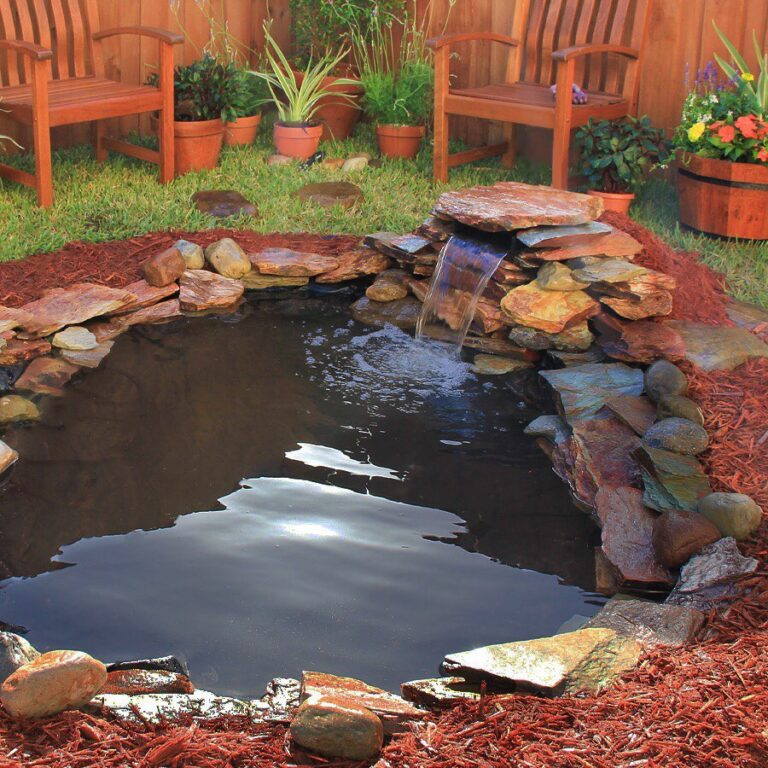
A small recirculating fountain can bring sound, movement, and a cooling focal point to a desert garden without requiring a pond or constant water replacement.
Use a drilled boulder, ceramic vessel, or shallow stone basin over a concealed reservoir. Position it where nearby seating, windows, or a garden path will let you enjoy the sound.
Keep the feature compact and shade the reservoir when possible to reduce evaporation. Surround it with gravel, sculptural agaves, native grasses, and a few moisture-tolerant accents, while keeping thirsty plants in a separate irrigation zone.
A simple pump with an adjustable flow makes it easier to control splash, noise, and water use throughout the year.
Design a Moon Garden with Pale Blooms

A moon garden brings a softer, more atmospheric side of Desert Garden Design to life after sunset.
Choose pale blooms such as white desert marigold, white penstemon, evening primrose, or night-blooming cereus, then repeat them in small groups so they appear luminous against gravel and dark foliage.
Balance the flowers with silver-blue agave, dusty miller, artemisia, or pale stones that reflect available moonlight.
Position the planting near a patio, bedroom window, or outdoor seating area so its fragrance and gentle color can be enjoyed at night. Keep the palette restrained, using warm-toned pots or a dark wall as contrast.
Add Night Lighting to Sculptural Plants

Night lighting can turn a practical desert planting into a dramatic evening landscape. Aim low-voltage LED spotlights at the architectural forms of saguaros, columnar cacti, yucca, agave, and ocotillo.
Place fixtures slightly to the side rather than directly in front to reveal ribs, spines, branching arms, and layered shadows.
Use warm, restrained light so the garden feels calm rather than overlit. Conceal fixtures among gravel or behind rocks, and shield the beams from windows and neighboring properties.
A few carefully lit focal plants usually create more impact than evenly illuminating every bed. Add subtle path lights only where needed for safe movement.
Create a Small Balcony or Courtyard Desert Garden

A balcony or compact courtyard can still deliver the layered look of a full desert landscape. Start with three elements: one tall plant for height, one rounded or rosette-shaped succulent for structure, and one trailing plant to soften the edges.
Use pots with drainage holes, gritty soil, and enough weight to remain stable in wind.
For a cohesive arrangement, repeat terracotta, weathered concrete, or matte metal containers in different sizes.
Leave room to move around the space and place the tallest specimen near a wall or corner. A narrow bench, gravel-filled tray, or small boulder can add Southwestern character without overcrowding the garden.
Use Reclaimed Materials for Southwestern Character

Reclaimed materials give a desert garden instant history and a relaxed Southwestern feel.
Reuse weathered wood for a simple bench, old corrugated metal for a privacy screen, or salvaged bricks and stone for edging. These imperfect surfaces pair naturally with gravel, rust-colored steel, terracotta, and sculptural cacti.
Keep the composition intentional by repeating one or two materials instead of filling the garden with unrelated objects.
A weathered timber backdrop can frame an agave, while an old metal trough can become a bold planter. Check salvaged wood for treatments, nails, and rot before using it, and provide reliable drainage wherever reclaimed containers hold plants.
Finish with Water-Wise Irrigation and Decorative Mulch

Finish your Desert Garden Design with a targeted irrigation system and an attractive ground-cover layer. Drip lines or individual emitters deliver moisture directly to the root zones of cacti, agaves, shrubs, and ornamental grasses, reducing evaporation and limiting water to areas where plants actually need it.
Group plants with similar watering needs into separate zones so each section can be adjusted as it matures.
Once the irrigation has been tested, cover exposed soil with decorative gravel, river rock, decomposed granite, or another climate-appropriate mulch.
Choose colors and stone sizes that complement the plants and hardscape, then keep mulch slightly away from plant crowns and trunks. The finished combination looks polished, suppresses weeds, improves drainage, and keeps routine maintenance simple.
The best desert garden design balances beauty, function, and respect for the local climate. Start with a clear layout, choose plants suited to your growing conditions, and use hardscape materials to provide structure and visual interest.
With the right combination of texture, shade, color, and efficient watering, even a challenging dry landscape can become a welcoming outdoor retreat.