23 Shady Garden Ideas for a Beautiful Lush Backyard
A shady garden can be one of the most peaceful and inviting spaces in a backyard.
Instead of treating limited sunlight as a challenge, use it as an opportunity to layer rich foliage, woodland textures, colorful shade-loving flowers, and comfortable places to relax.
These 23 Shady Garden ideas will help you make the most of everything from dappled light beneath trees to deep shade beside a home or fence.
Layer a Woodland-Style Shade Garden

Build a woodland-style Shady Garden by arranging plants in natural layers. Start with an overhead canopy of mature trees or slim ornamental trees, then add mid-height shrubs such as dogwood, hydrangea, or viburnum.
Fill the lower level with hostas, ferns, foamflowers, wild ginger, and other shade-loving perennials that create a soft, forest-floor effect.
Let the layout feel relaxed rather than rigid. A curved flagstone path, fallen-log edging, mossy stones, or a small water feature can reinforce the woodland mood while guiding the eye through the planting.
Choose plants with different leaf sizes and textures, and leave a little open mulch or groundcover between groups so the garden looks layered, lush, and naturally established.
Create a Fern-Filled Green Retreat

Turn a dark corner into a calming green retreat by planting ferns in generous, repeating drifts. Combine tall ostrich ferns or lady ferns at the back with lower Japanese painted ferns, tassel ferns, or evergreen groundcovers near the edge.
Their finely divided fronds create movement and softness, especially when planted beneath a mature tree canopy.
Make the space feel inviting with a simple bench, steppingstone path, or small seating nook tucked among the foliage. Keep the color palette mostly green, then add one subtle contrast, such as a blue-green hosta or chartreuse forest grass.
Enrich the soil with organic matter, mulch around—but not over—the crowns, and water consistently while the plants establish for a lush, tranquil atmosphere.
Plant a Hostas Border for Bold Foliage

Use hostas to create a strong, dependable border along a path, patio, fence, or lawn. For the fullest effect, repeat a few varieties instead of planting one of everything.
Place large blue-green or puckered hostas toward the back, medium cultivars through the middle, and smaller varieties along the front edge. This creates a clear rhythm while keeping the border easy to maintain.
Balance the hostas’ broad leaves with finer textures from ferns, sedges, or astilbes. You can also mix green, blue, chartreuse, and lightly variegated foliage for a rich but coordinated palette.
Leave enough room for each plant to reach its mature width, and add a clean mulch edge to make the bold foliage look intentional throughout the growing season.
Brighten Deep Shade with Variegated Plants

Deep shade can look brighter when you introduce plants with cream, white, gold, or chartreuse markings.
Use variegated hostas as the main punctuation points, then repeat the lighter tones with Japanese forest grass, variegated Solomon’s seal, lungwort, or a shade-tolerant shrub. Place brighter foliage where it can catch filtered daylight, especially near a dark fence, tree trunk, or evergreen backdrop.
Keep the arrangement from becoming visually busy by surrounding patterned leaves with solid green companions.
Three or five plants of one variety usually create more impact than many unrelated specimens. Add dark mulch or deep green ferns to frame the pale foliage, and protect light-leaved plants from harsh afternoon sun so their colors remain crisp instead of scorched.
Design a White Flower Moon Garden for Shade

Turn a dim corner into a luminous retreat with a white flower moon garden. Pale blooms reflect the available light, while silver or variegated foliage keeps the planting interesting after sunset.
In part shade, combine white astilbe, foxglove, hellebore, foamflower, bleeding heart, hosta, and white-flowering hydrangea for a layered display.
Repeat a few plants in generous drifts rather than mixing too many varieties. Place taller flowers toward the back, use low white impatiens or sweet alyssum along paths, and add a bench or stepping stones so the garden can be enjoyed in the evening.
Fragrant plants such as nicotiana can add another sensory layer, especially near a patio or doorway.
Add Native Plants for a Shade-Loving Pollinator Garden

Make a shady backyard more valuable to wildlife by planting native species that bloom beneath trees or along a woodland edge.
Eastern columbine, woodland phlox, wild geranium, Jacob’s ladder, foamflower, spicebush, and native sedges offer nectar, pollen, shelter, and seasonal interest without forcing sun-loving plants into poor conditions.
Arrange plants in loose clusters with overlapping bloom times from spring through fall. Include shrubs or taller perennials at the back, ferns and sedges through the middle, and low ground covers near the edge.
Leave some leaf litter and standing stems through winter so native bees, butterflies, moths, and other beneficial insects have places to shelter and reproduce.
Build a Soft Moss Garden Beneath Trees

Embrace the natural conditions beneath mature trees by replacing struggling lawn with a soft moss garden.
Moss creates a velvety green carpet that pairs beautifully with ferns, smooth stones, fallen logs, and a few restrained woodland plants. It works best where the soil stays cool and reasonably moist, with indirect or dappled light rather than intense midday sun.
Use stepping stones to protect the moss and create a gentle route through the space.
Clear heavy leaf litter regularly, improve drainage if water pools, and test a small patch before covering the entire area. A simple palette of moss, rocks, ferns, and one focal feature keeps the garden calm, lush, and intentionally designed.
Turn a Shady Slope into Terraced Planting Beds

A shady slope can become a series of useful garden rooms when you terrace it with low retaining walls.
Divide the grade into two or three level planting pockets, then fill each bed with shade-tolerant plants such as ferns, hellebores, hostas, heucheras, sedges, and woodland shrubs. The horizontal lines slow runoff, reduce erosion, and make planting and maintenance easier.
Choose natural stone, timber, or steel walls that suit the architecture and existing trees. Include drainage behind every retaining wall and connect the levels with steps or a narrow path.
Repeat the same plants across several terraces so the slope feels unified rather than busy, while allowing each level to have a slightly different texture or focal plant.
Edge a Garden Path with Shade-Loving Ground Covers

Soften a walkway by planting shade-loving ground covers along both edges of the path.
Low growers such as sweet woodruff, creeping Jenny, wild ginger, ajuga, foamflower, and dwarf mondo grass can blur the boundary between paving and planting beds, creating a woodland-inspired look. Choose varieties suited to your soil moisture and local climate.
Leave enough room for the plants to spread without covering the walking surface too quickly. Tuck small clumps between stepping stones or use them as a living border beside brick, gravel, or flagstone.
Repeating one or two ground covers along the route will make the path feel intentional, while scattered ferns, hostas, and mossy rocks add texture and reinforce the lush character of a Shady Garden.
Grow a Lush Container Garden in the Shade

Turn a dim patio, deck, or backyard corner into a layered display with containers filled with shade-loving plants. Combine broad-leaved hostas, feathery ferns, colorful heucheras, caladiums, begonias, and impatiens to create contrast without relying on full sun.
Use a mix of pot sizes so the arrangement has height, depth, and a more established garden feel.
Choose containers with drainage holes and group them where they receive bright indirect light or dappled shade. Repeat foliage colors, such as lime green, silver, burgundy, and blue-green, to tie the collection together.
Place taller pots at the back and smaller planters toward the front, then check moisture regularly because containers can dry out faster than surrounding garden soil.
Fill Hanging Baskets with Trailing Shade Plants

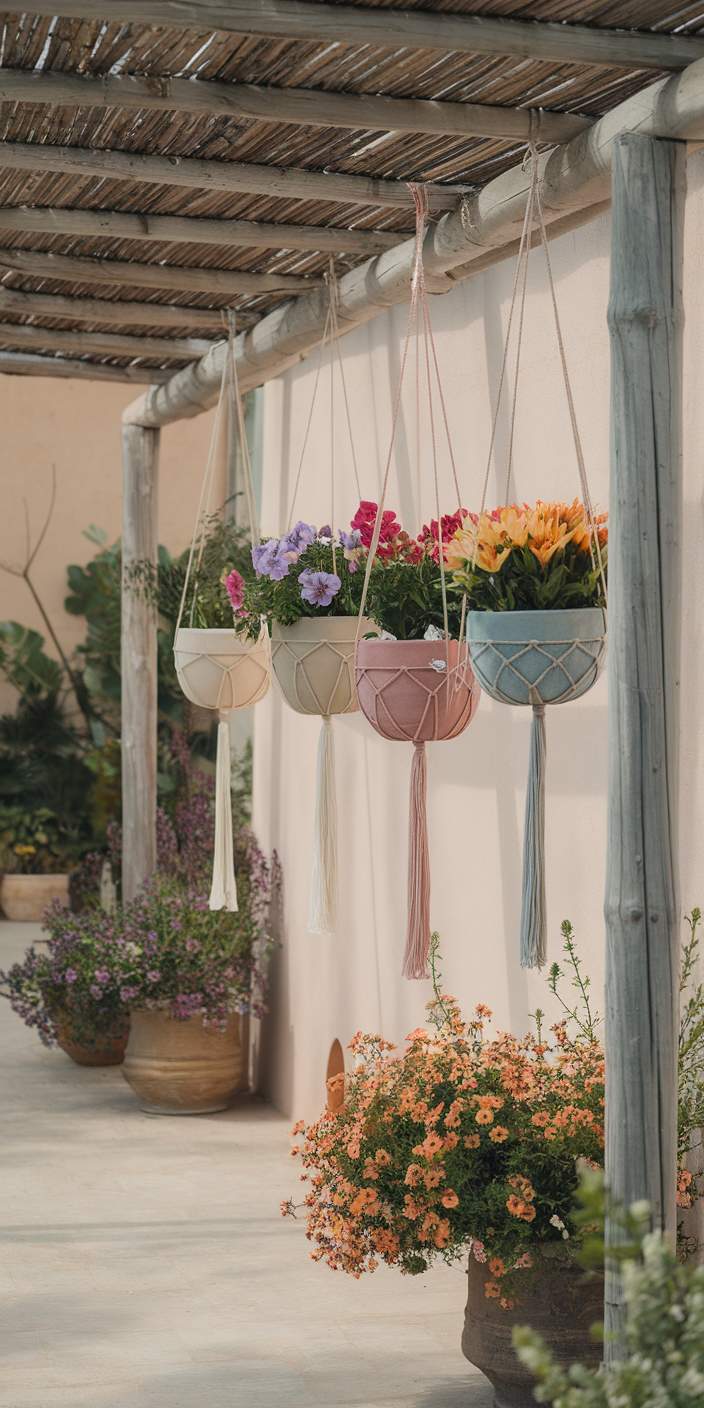
Bring greenery down from above by filling hanging baskets with plants that thrive in shade or part shade.
English ivy, trailing coleus, bacopa, fuchsia, lobelia, begonias, and rabbit’s foot fern can spill over the sides and add movement to a covered porch, pergola, tree branch, or shaded fence. Select plants with similar watering needs for the healthiest display.
For a fuller basket, combine one upright plant with several trailing varieties, using contrasting leaf shapes and colors rather than too many competing flowers.
Hang baskets where they receive bright filtered light and protection from strong wind. Keep the compost evenly moist, trim long or tangled stems, and rotate the baskets occasionally so growth stays balanced on every side.
Add a Small Water Feature to a Shady Corner

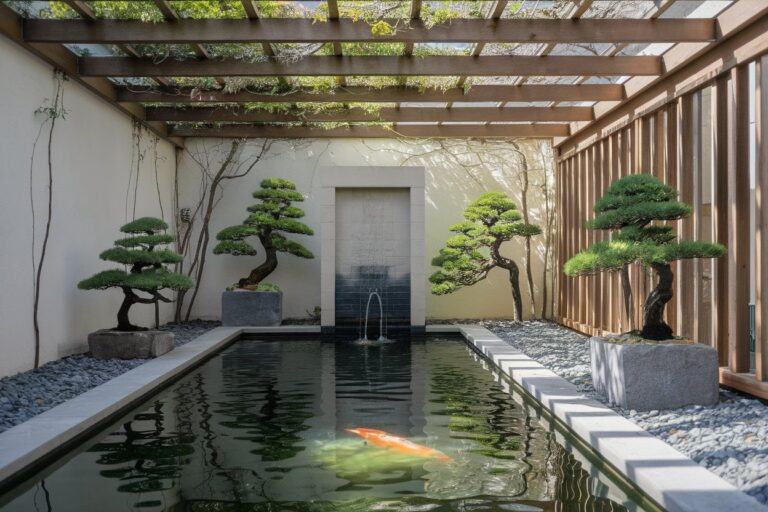
A small water feature can give a quiet, shaded corner a sense of purpose and gentle movement.
Try a bubbling urn, wall fountain, stone water bowl, or compact recirculating pond surrounded by ferns, hostas, moss, and moisture-loving perennials. In a darker area, choose a pale or reflective basin that catches ambient light and helps the space feel brighter.
Place the feature where its sound can be enjoyed from a nearby seat or window, and make sure the surface is level before adding water.
A pump keeps water moving and discourages stagnation, while regular cleaning prevents leaves and debris from building up. Keep the surrounding planting slightly open so the water remains visible rather than disappearing beneath dense foliage.
Create a Secret Garden Behind Greenery

Turn an overlooked corner into a hidden retreat by placing the entrance behind layers of greenery. A gently curving path, leafy arbor, or narrow opening between shrubs can make the destination feel discovered rather than displayed.
Use tall ferns, hydrangeas, ornamental grasses, and small understory trees to soften the view and create a natural screen.
Inside, add one inviting destination such as a weathered bench, bistro chair, or small fountain. Keep the planting relaxed and slightly informal, with different heights and textures guiding visitors forward.
In a shady garden, moss, hostas, and fern fronds help create the cool, storybook atmosphere that makes a secret garden feel separate from the rest of the backyard.
Frame a Shaded Patio with Layered Plantings

Make a shaded patio feel like a garden room by surrounding its edges with plants at several heights. Place taller shrubs or small trees at the back, medium-sized ferns and flowering perennials in the middle, and low hostas, heucheras, or ground covers along the patio border.
This layered approach softens hard surfaces while giving the seating area a lush, enclosed character.
Repeat a few foliage colors around the space so the planting feels intentional rather than crowded. Evergreen structure can provide year-round definition, while pots filled with begonias or caladiums add seasonal color near chairs and tables.
Leave enough clearance for movement, and use arching fronds or overhanging branches to frame the patio without blocking it completely.
Train Climbing Plants over a Shady Pergola

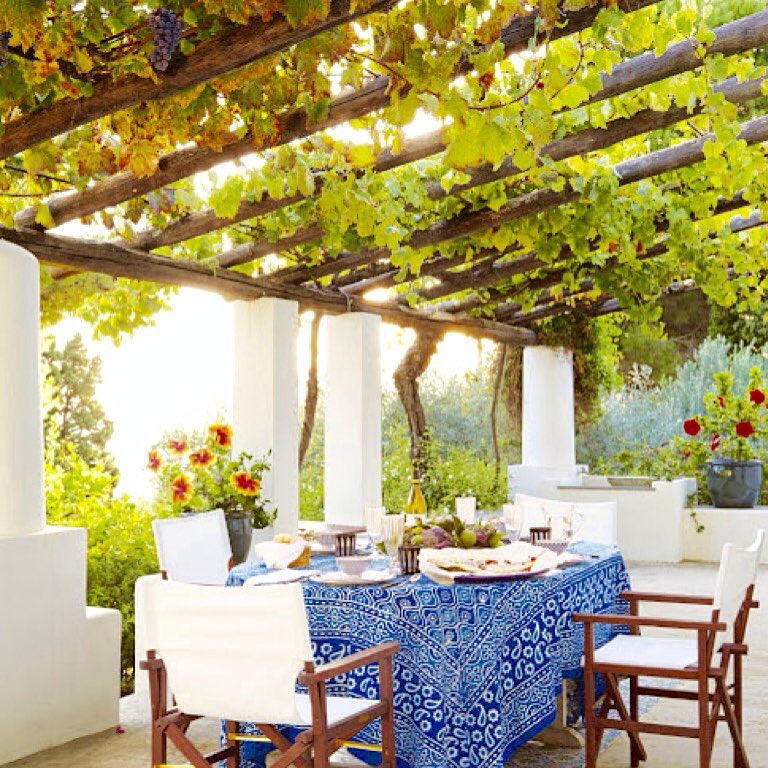
A pergola becomes far more inviting when climbing plants are trained up its posts and across the overhead beams.
Choose a sturdy structure and guide young stems with soft ties, trellis netting, or discreet wires. Clematis, jasmine, climbing hydrangea, honeysuckle, and grapevine can gradually create a leafy canopy that filters light and gives the seating area a sheltered, garden-like feel.
Underplant the base with ferns, hostas, and shade-tolerant containers so the pergola feels rooted in the landscape. Prune regularly to keep pathways clear and prevent excessive weight on the structure.
The most successful designs show both the pergola framework and the living vines, making the vertical growth an obvious part of the garden composition rather than simply adding potted plants nearby.
Bring Tropical Texture to a Shade Garden

Create a lush, tropical mood by combining bold leaf shapes instead of relying only on flowers. Large elephant ears, caladiums, hardy bananas, tree ferns, and hostas can bring oversized foliage to a shaded border, while smaller ferns and ground covers fill the spaces below.
Mix upright leaves with arching fronds and rounded forms to make the planting feel rich and layered.
Group plants in generous drifts for a stronger jungle effect, and repeat dramatic foliage near paths or seating areas.
In cooler climates, use containers for tender tropical plants so they can be moved indoors before frost. Moist, sheltered soil and protection from harsh wind will help large-leaved plants stay vigorous, while contrasting leaf colors add depth even when flowers are scarce.
Plant a Rain Garden in a Damp Shady Spot

A damp, shady corner can become one of the most useful features in your backyard when you turn it into a rain garden. Choose a naturally low area where runoff collects, such as beneath a downspout or at the base of a gentle slope.
Shape a shallow basin, improve the soil with compost, and use moisture-loving plants that tolerate filtered light.
Ferns, sedges, cardinal flower, astilbe, swamp milkweed, and native iris can add texture while helping absorb excess water. Add a few flat stones or a small footbridge to make the space feel intentional.
Keep the basin away from foundations, and observe how water moves after heavy rain before finalizing your planting plan.
Grow Edible Herbs and Greens in Partial Shade

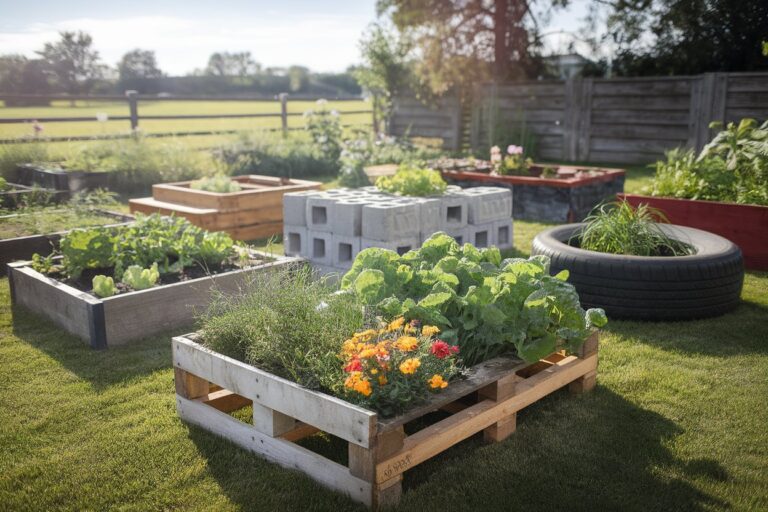
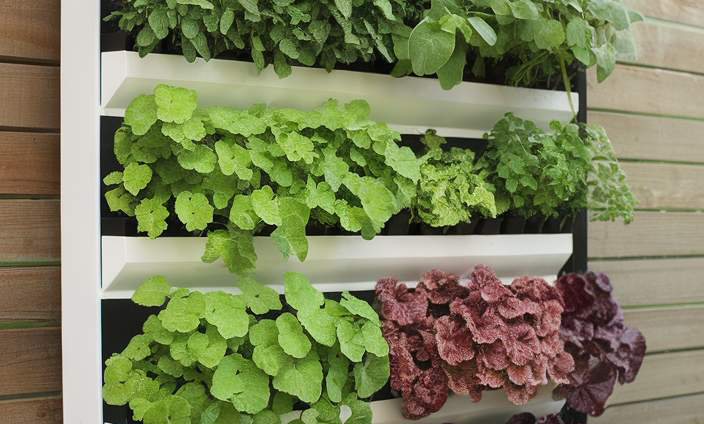
Partial shade is ideal for a compact edible garden filled with cool-season greens and leafy herbs. Place a raised bed, window box, or collection of containers where plants receive gentle morning sun or several hours of dappled light.
Lettuce, spinach, arugula, kale, Swiss chard, parsley, cilantro, chives, and mint can all bring useful harvests to a less sunny backyard.
Use rich, moisture-retentive soil and keep plants evenly watered, especially in containers. Mix different leaf colors and textures for a decorative display, then harvest outer leaves regularly so the plants continue producing.
Position taller herbs toward the brighter edge to prevent them from shading smaller greens.
Create Colorful Foliage Displays with Heucheras

Heucheras, also called coral bells, are one of the easiest ways to add lasting color to a shady garden. Their ruffled leaves come in shades of burgundy, plum, bronze, amber, lime, silver, and rose, allowing you to build a foliage display even when few flowers are blooming.
Plant several varieties together for contrast, or repeat one color along the front of a border.
Combine heucheras with hostas, ferns, foamflowers, and Japanese forest grass to layer leaf shapes and textures.
They also perform beautifully in containers placed beneath trees or beside a shaded patio. Give them well-drained soil and avoid burying the crown, which helps prevent rot in damp locations.
Use Rocks, Logs, and Stumps as Natural Accents

Rocks, logs, and old stumps can give a shady garden an authentic woodland character while adding structure among soft foliage. Arrange stones in loose groups rather than straight lines, partially burying larger pieces so they look naturally settled.
Tuck moss, ferns, hostas, or creeping ground covers into the gaps to create planting pockets.
A hollow log or weathered stump can become an unusual planter for sedges, ferns, and heucheras.
Place it beneath trees or near a path where its texture can be appreciated up close. Use varying heights and shapes to guide the eye, but leave enough open space for the natural materials to remain the visual focus.
Design a Calm Japanese-Inspired Shade Garden

Turn a sheltered corner into a calm Japanese-inspired Shady Garden by working with a restrained palette of mossy greens, deep foliage, and natural stone.
A small Japanese maple can provide a sculptural focal point, while ferns, moss, hostas, and woodland grasses soften the ground beneath it. Keep the planting layered but uncluttered so each texture has room to stand out.
Guide visitors through the space with a gently curving path of irregular stepping stones set into gravel or moss.
Add one carefully placed boulder, a simple bamboo screen, or a low stone basin for quiet character. Avoid overly symmetrical arrangements; an asymmetrical layout with partially hidden views will make the garden feel more spacious, thoughtful, and peaceful.
Add Soft Lighting to Highlight Shady Plantings

Soft lighting can make a shady planting bed feel magical after sunset without turning it into a brightly lit patio.
Use warm-white, low-intensity fixtures to illuminate the details that disappear at dusk: fern fronds, textured bark, Japanese maple branches, or a moss-covered boulder. A narrow beam aimed upward can emphasize a tree canopy, while a concealed light beneath foliage creates gentle layers of shadow.
Keep the effect subtle by spacing fixtures irregularly and allowing darker areas to remain between highlights. Add discreet path lights near stepping stones or seating, but avoid glare at eye level.
Dimmable or solar-powered fixtures make it easier to adjust the mood, helping the Shady Garden transition from a daytime retreat into a calm evening landscape.
Finish the Garden with a Comfortable Seating Nook

Complete your Shady Garden with a seating nook that makes the space inviting rather than merely decorative. Place a compact bench, two weather-resistant chairs, or a cushioned loveseat beneath a tree canopy or beside a tall screen of ferns.
Set the furniture on a stable surface such as compacted gravel, brick, stone pavers, or a small timber platform to keep the area comfortable and usable in damp weather.
Add practical finishing touches without overcrowding the planting. A small side table holds drinks and books, while outdoor cushions bring softness and color to the darker setting. Position the seat toward a favorite tree, water feature, or framed garden view.
A nearby lantern or low path light will make this secluded corner feel welcoming well into the evening.
With the right plants, textures, and garden features, even the darkest backyard corners can become lush and full of character. Choose ideas that suit your garden’s moisture levels, soil, and amount of available light, then combine varied foliage with thoughtful paths, containers, or seating.
A well-planned Shady Garden can provide a cool, beautiful retreat throughout the growing season.