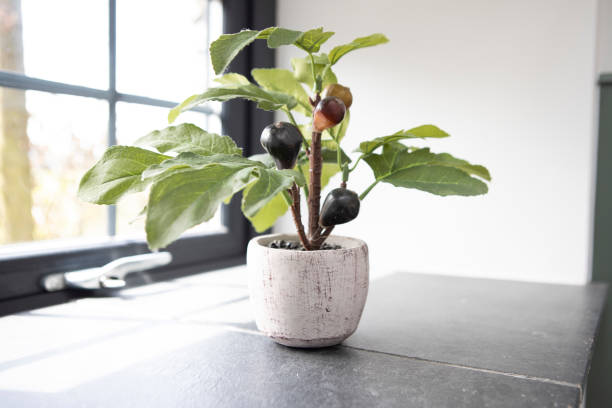
17 Easy Vegetables to Grow Indoors All Year Round
Fresh vegetables don’t have to come from a backyard garden. With the right setup, many vegetables can thrive indoors and provide a steady harvest throughout the year.
Whether you live in an apartment, have limited outdoor space, or simply want fresh produce within reach of your kitchen, indoor vegetable gardening is a practical and rewarding hobby.
Many people assume vegetables need large garden beds and full outdoor sun, but that’s not always the case.

Plenty of crops grow happily in containers, making them perfect for windowsills, shelves, balconies, and indoor growing stations. Some vegetables can even be harvested multiple times, giving you fresh food for months from a single planting.
1. Lettuce

Lettuce is one of the easiest and most rewarding vegetables to grow indoors. It grows quickly, doesn’t require deep containers, and can be harvested continuously.
Loose-leaf varieties are especially beginner-friendly because you can pick individual leaves while the plant keeps producing more.
This method, often called “cut and come again,” provides weeks or even months of fresh greens.
Lettuce also grows well in cooler indoor temperatures, making it suitable for most homes throughout the year.
2. Green Onions

Green onions are often recommended as a beginner’s first indoor vegetable because they’re incredibly easy to grow.
You can start with seeds, but many gardeners simply place store-bought green onion roots in water and watch them regrow. Once roots develop, transferring them to soil encourages stronger growth and larger harvests.
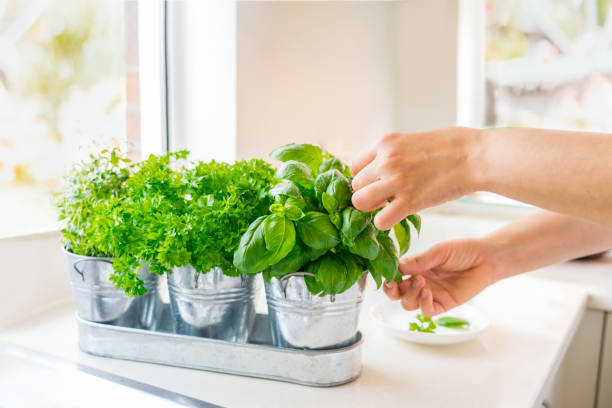
Because they take up very little space, green onions are perfect for kitchen windowsills where they can be harvested whenever needed.
3. Spinach

Spinach is another leafy green that performs exceptionally well indoors. It grows quickly, tolerates cooler temperatures, and provides nutrient-rich leaves packed with vitamins and minerals.
Regular harvesting encourages fresh growth, allowing you to enjoy multiple harvests from the same plant.
4. Radishes

Radishes are one of the fastest-growing vegetables you can grow. Some varieties mature in as little as three to four weeks, making them ideal for gardeners who want quick results.
Their compact size means they don’t require much space, although a reasonably deep container will help roots develop properly.
5. Cherry Tomatoes

Cherry tomatoes are often considered the ultimate indoor vegetable for home gardeners. Compact varieties can thrive in containers and produce dozens of sweet, flavorful tomatoes.
They do require plenty of light, so a sunny window or grow light is usually necessary. With proper care, a single plant can provide a surprisingly large harvest.
6. Peppers

Small pepper varieties adapt well to indoor growing conditions. From sweet mini peppers to compact chili varieties, these plants can be both decorative and productive.
Peppers enjoy warm temperatures and bright light, making them excellent candidates for sunny windows or grow-light setups.
7. Kale

Kale is one of the most forgiving vegetables you can grow indoors. It tolerates a range of conditions and continues producing leaves over a long period.
Harvesting the outer leaves first encourages continued growth from the center, extending the productive life of the plant.
8. Carrots

Many gardeners are surprised to learn that carrots can be grown indoors. While full-sized carrots need deep containers, smaller varieties are perfect for indoor gardening.
Round or short-root varieties often perform best because they require less soil depth.
9. Swiss Chard

Swiss chard combines beauty and productivity in one plant. Its colorful stems make it attractive enough to double as indoor décor while providing nutritious leaves for cooking.
Like kale, it can be harvested continuously by removing outer leaves.
10. Bush Beans

Bush beans are compact plants that don’t require extensive support structures. They produce tender beans over several weeks and fit comfortably in containers.
Their fast growth makes them especially satisfying for beginner gardeners.
11. Arugula

Arugula is known for its peppery flavor and rapid growth. It can be harvested young for salads or allowed to mature for a stronger taste.
Because it grows quickly, many gardeners sow new seeds every few weeks to maintain a constant supply.
12. Microgreens

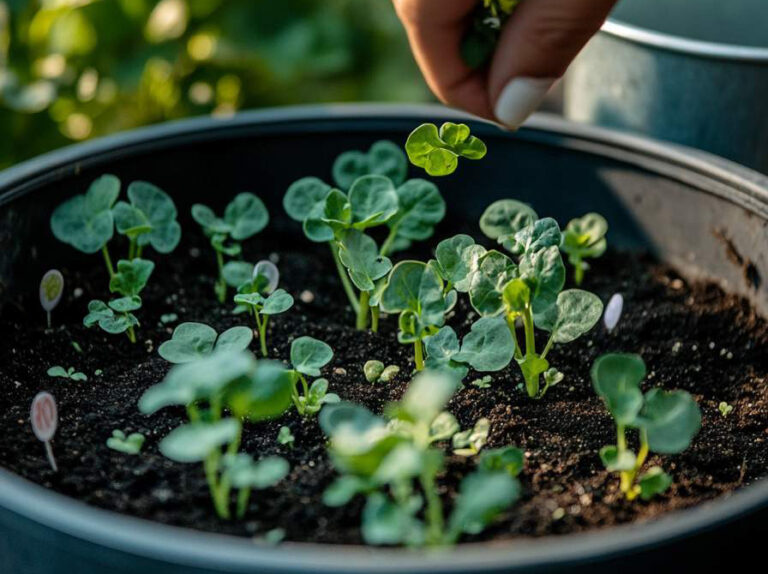
If you’re looking for the quickest indoor harvest possible, microgreens are hard to beat.
Many varieties are ready to harvest within one or two weeks. Despite their small size, they contain concentrated flavor and nutrients, making them popular additions to salads, sandwiches, and smoothies.
13. Bok Choy

Bok choy grows surprisingly well indoors and matures relatively quickly. Its compact growth habit makes it suitable for containers, while its mild flavor works well in stir-fries and soups.
14. Beet Greens

While growing large beet roots indoors can be challenging, the leafy tops are easy to produce and highly nutritious.
The leaves can be harvested young for salads or allowed to mature for cooking.
15. Cucumbers

Mini cucumber varieties have become increasingly popular for indoor gardening. These compact plants require support but can reward gardeners with crisp, fresh cucumbers throughout the growing season.
Adequate light is especially important for successful fruit production.
16. Celery

Celery requires patience compared to faster-growing vegetables, but it grows steadily indoors and provides fresh stalks for cooking and snacking.
It appreciates consistent moisture and moderate temperatures.
17. Peas

Dwarf pea varieties are well suited to indoor gardens. Their climbing vines add visual interest while producing sweet, tender peas.
Even a small trellis or support structure can help maximize yields in limited spaces.
Essential Indoor Vegetable Growing Tips

The biggest factor in indoor gardening success is light. Most vegetables need at least six hours of bright light every day, while fruiting crops such as tomatoes and peppers often need even more.
If natural sunlight is limited, LED grow lights can make a huge difference. Modern grow lights are energy-efficient and can dramatically improve growth and harvests.
Good drainage is equally important. Always use containers with drainage holes and avoid allowing water to sit in saucers for extended periods.
Choosing a high-quality potting mix rather than garden soil helps improve drainage, root health, and overall plant growth.
Indoor gardeners should also rotate containers occasionally so plants grow evenly rather than leaning toward the light source.
Final Thoughts
Growing vegetables indoors is one of the easiest ways to enjoy fresh, homegrown food year-round.
Whether you’re harvesting lettuce for salads, clipping green onions for cooking, or picking ripe cherry tomatoes from a sunny windowsill, indoor gardening brings fresh produce closer to home.
Start with a few easy vegetables like lettuce, spinach, or green onions, then expand as your confidence grows. Before long, you may be surprised by just how much food you can produce in a small indoor space.