
How to Fix Yellow Leaves on Indoor Plants
If you’ve noticed yellow leaves appearing on your indoor plants, don’t panic. Yellowing leaves are one of the most common plant problems and are often a sign that your plant is trying to tell you something.
The good news is that most causes are easy to identify and fix once you know what to look for.
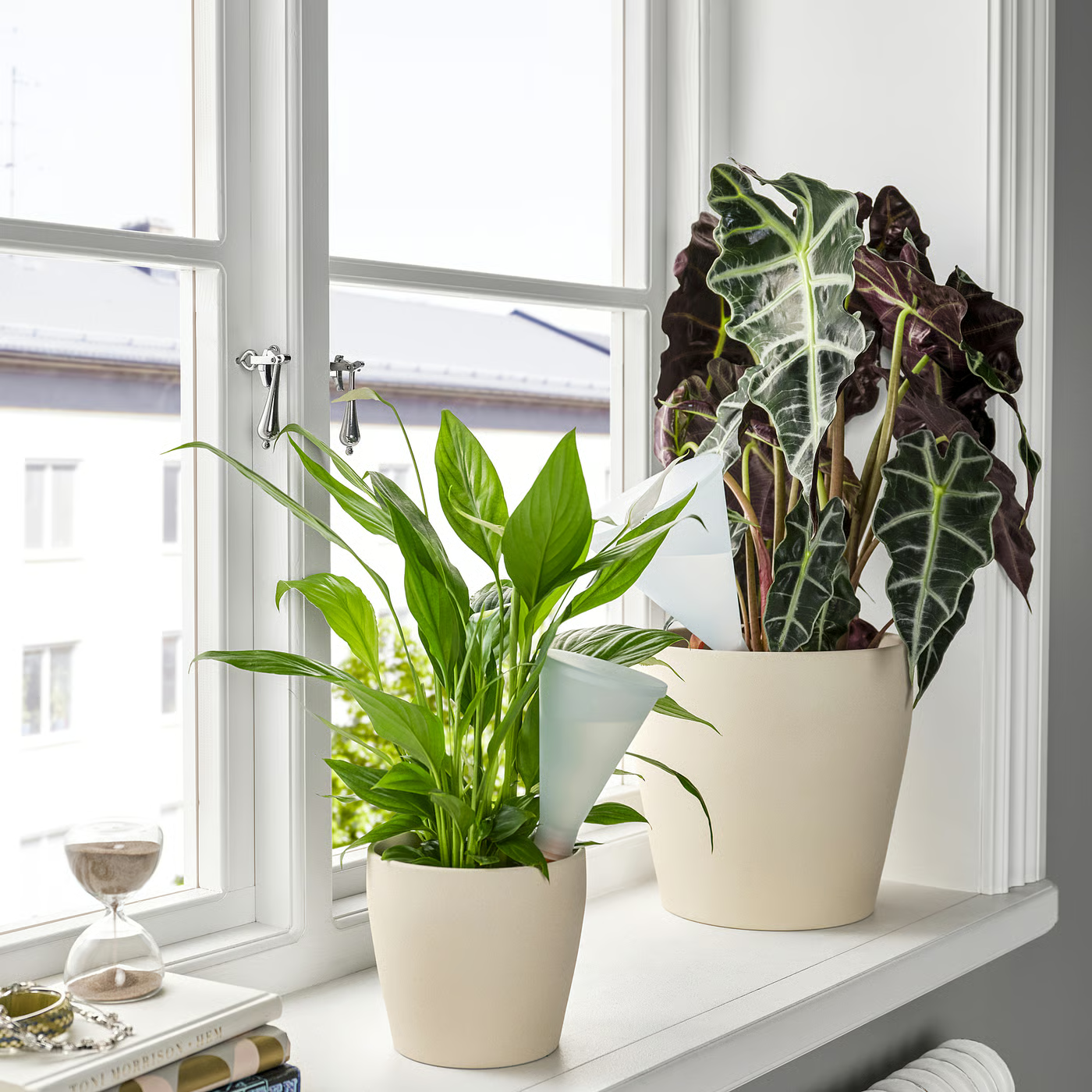
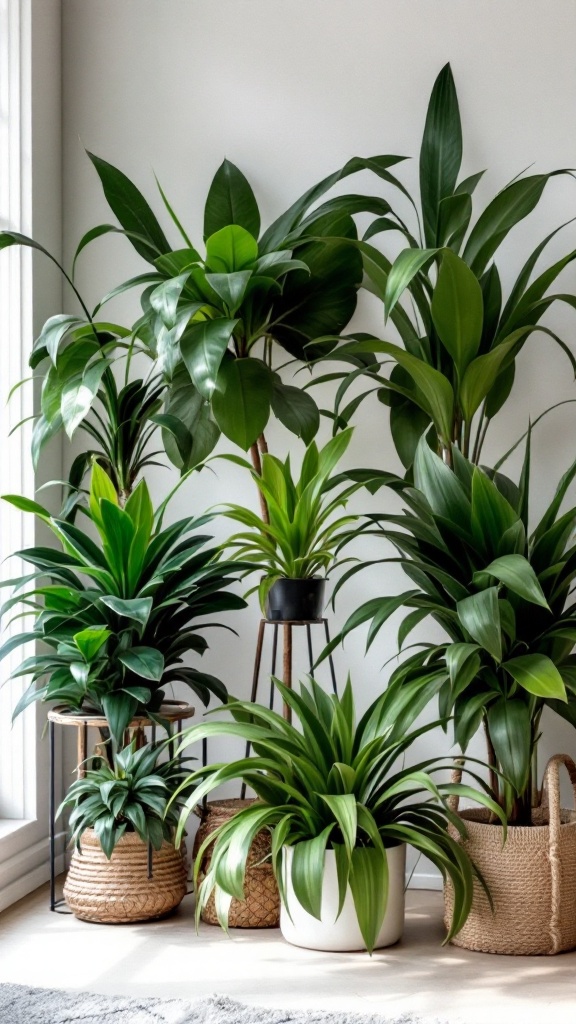
Whether you have a snake plant, pothos, peace lily, monstera, ZZ plant, or any other houseplant, understanding why leaves turn yellow can help you get your plant back to looking healthy and green again.

Why Do Indoor Plant Leaves Turn Yellow?
Leaves turn yellow when chlorophyll, the pigment responsible for their green color, begins to break down. This can happen for many reasons, including watering issues, poor lighting, nutrient deficiencies, pests, or natural aging.

Sometimes only one leaf turns yellow, which isn’t usually a cause for concern. However, when multiple leaves start yellowing at once, it’s a sign that something in the plant’s environment needs attention.
The first step is identifying the cause before making any major changes to your care routine.
Overwatering Is the Most Common Problem
If there is one mistake most indoor plant owners make, it’s watering too often.

Many houseplants prefer their soil to dry slightly between waterings. When soil remains constantly wet, roots struggle to get oxygen and may begin to rot.
Damaged roots cannot absorb water and nutrients properly, causing leaves to turn yellow.
Signs of Overwatering
- Several yellow leaves appearing at the same time
- Soft or mushy stems
- Wet soil for days after watering
- Drooping despite wet soil
- Mold or fungus on the soil surface
- Unpleasant smell coming from the pot
How to Fix It
Allow the soil to dry before watering again. Check that your pot has drainage holes and never let water sit in a saucer for long periods.
If root rot is severe, remove the plant from its pot, trim damaged roots, and repot into fresh, well-draining potting mix.

Underwatering Can Cause Yellow Leaves Too
While overwatering is common, underwatering can create similar symptoms.

When a plant doesn’t receive enough water, it begins conserving energy and moisture. Older leaves are often sacrificed first, turning yellow before falling off.
Signs of Underwatering
- Dry soil pulling away from the sides of the pot
- Crispy leaf edges
- Drooping leaves
- Slow growth
- Brown and yellow foliage
How to Fix It
Water thoroughly until excess water drains from the bottom of the pot. Instead of giving small amounts frequently, water deeply whenever the soil becomes dry.
Most indoor plants recover quickly once a consistent watering schedule is established.
Your Plant May Not Be Getting Enough Light
Light plays a major role in keeping leaves green and healthy.
Indoor plants placed in dark corners often struggle to produce enough energy through photosynthesis. As a result, older leaves may begin yellowing and dropping.

Different plants have different light requirements. A snake plant can tolerate lower light levels, while plants like monstera and fiddle leaf fig prefer brighter conditions.
Signs of Insufficient Light
- Yellow lower leaves
- Slow growth
- Long, stretched stems
- Smaller new leaves
How to Fix It
Move your plant closer to a bright window that provides indirect sunlight. If natural light is limited, consider using a grow light.
Avoid suddenly placing a low-light plant into direct afternoon sun, as this can cause additional stress.
Too Much Direct Sunlight Can Also Be a Problem
Not all indoor plants enjoy direct sun.

Many popular houseplants naturally grow beneath forest canopies where they receive filtered light. Too much direct sunlight can scorch leaves and cause yellow or brown patches.
Signs of Excess Sunlight
- Pale yellow leaves
- Brown crispy spots
- Bleached or faded foliage
- Dry leaf edges
How to Fix It
Move the plant slightly farther from the window or filter sunlight using sheer curtains.
Bright indirect light is ideal for many common indoor plants.
Nutrient Deficiencies May Be the Cause
Indoor plants eventually use up the nutrients available in their potting soil. If they aren’t repotted or fertilized regularly, nutrient deficiencies can develop.
Nitrogen, iron, and magnesium deficiencies are among the most common causes of yellow leaves.

Common Nutrient Deficiency Symptoms
- Older leaves turning yellow first
- Pale overall growth
- Slow development
- Weak stems
- Smaller new leaves
How to Fix It
Feed your plant with a balanced indoor plant fertilizer during spring and summer when growth is most active.
If the plant has been in the same pot for several years, repotting with fresh potting mix can also help restore nutrients.
Check for Root-Bound Plants
Indoor plants eventually outgrow their containers.
When roots fill the entire pot, they compete for water, nutrients, and space. This can cause yellow leaves and stunted growth.

Signs a Plant Is Root Bound
- Roots growing from drainage holes
- Water running straight through the pot
- Slow growth
- Frequent yellow leaves
- Soil drying out very quickly
How to Fix It
Repot into a container that is one or two sizes larger than the current pot. Fresh soil provides additional nutrients and room for root growth.
Inspect for Houseplant Pests
Small pests can quietly damage plants for weeks before you notice them.
Spider mites, aphids, mealybugs, scale insects, and thrips feed on plant sap, causing leaves to yellow and weaken over time.

Signs of Pests
- Tiny insects on leaves or stems
- Sticky residue
- White cotton-like clusters
- Fine webbing
- Speckled yellow leaves
How to Fix It
Isolate the affected plant and inspect all nearby houseplants.
Wash leaves with water and treat with neem oil or insecticidal soap according to product directions.
Low Humidity Can Stress Indoor Plants
Many houseplants originate from tropical environments with naturally high humidity levels.
Indoor heating and air conditioning can significantly reduce humidity, causing leaves to yellow, brown, or dry out.

Plants such as peace lilies, calatheas, ferns, and prayer plants are especially sensitive.
Ways to Increase Humidity
- Use a humidifier
- Group plants together
- Place plants on pebble trays
- Keep plants away from heating vents
Sometimes Yellow Leaves Are Completely Normal
Not every yellow leaf indicates a problem.
As indoor plants grow, older leaves naturally age and die. If one or two leaves at the bottom of the plant are turning yellow while new growth remains healthy, the plant is simply replacing old foliage.
You can safely remove these leaves to keep the plant looking tidy.

Final Thoughts
Yellow leaves on indoor plants are usually a sign that something in the plant’s care routine needs adjustment.
The most common causes are overwatering, underwatering, poor lighting, nutrient deficiencies, root-bound conditions, pests, and low humidity.
Before making changes, take a few minutes to inspect your plant carefully. Look at the soil, roots, light conditions, and overall growth pattern.
Once you identify the cause, most indoor plants recover well and quickly produce healthy new green leaves.
With a little observation and patience, you can often turn a struggling houseplant back into a thriving one.