18 Zen Rock Garden Ideas For a Peaceful Backyard
A Zen rock garden can turn an ordinary backyard into a peaceful place for quiet reflection, mindful movement, and simple enjoyment.
With carefully arranged stones, raked gravel, restrained planting, and natural textures, you can create a soothing landscape without needing a large space or extensive maintenance.
Explore these Zen rock garden ideas to find a layout and style that brings balance, beauty, and tranquility to your outdoor space.
1. Classic Raked Gravel Zen Garden

A classic raked gravel Zen garden uses a simple palette of pale gravel, carefully placed rocks, and open space.
The gravel represents water, while curved or parallel rake lines create a sense of movement around the stones. Keep the composition restrained by choosing a few natural boulders in varied sizes rather than filling the area with decorations.
Define the garden with a crisp edging material such as timber, stone, or weathered metal. A small evergreen, clipped shrub, or patch of moss can soften one corner without distracting from the gravel pattern.
Rake fresh lines whenever you want a calming outdoor ritual, and position the garden where it can be viewed from a porch, window, or quiet seating area.
2. Small Courtyard Zen Rock Garden

A small courtyard is ideal for a compact Zen rock garden because the limited footprint naturally encourages simplicity.
Cover the ground with fine gravel or decomposed granite, then add two or three stones in an asymmetrical arrangement. Use vertical elements sparingly, such as a narrow bamboo screen, simple stone lantern, or one sculptural plant that draws the eye upward.
For a polished look, frame the garden with walls, fencing, or the surrounding architecture rather than trying to hide the boundaries.
A small basin, stepping stone, or mossy accent can add texture without overcrowding the space. Choose plants suited to the courtyard’s light levels, including Japanese forest grass, dwarf conifers, ferns, or moss in shaded conditions.
3. Minimalist Black-and-White Stone Garden

Create a striking minimalist garden by limiting the palette to charcoal, white, and soft gray. Use dark river stones or black basalt against pale gravel, or reverse the contrast with white stones on a bed of dark slate.
Keep the layout uncluttered so the difference in color, shape, and texture becomes the main design feature.
For a modern backyard, pair the stone garden with concrete pavers, a simple wood bench, or matte-black edging. Rake the gravel into broad curves or clean parallel lines to introduce quiet movement.
Avoid excessive ornament, bright flowers, and mixed materials; one sculptural boulder, a few smooth pebbles, or a single clipped evergreen will preserve the peaceful monochrome effect.
4. Moss-Covered Rock Garden for a Lush Woodland Feel

A moss-covered rock garden brings the quiet atmosphere of a shaded woodland into the backyard. Begin with irregular boulders that look naturally settled into the landscape, then surround them with moss, ferns, hostas, and other shade-loving ground covers.
Vary the rock heights and leave small gaps between stones so the arrangement feels discovered rather than formally built.
Use a winding stepping-stone path or a narrow gravel strip to lead through the planting. Moisture, filtered light, and good drainage are essential for healthy moss, so select a naturally cool location beneath trees or beside a shaded wall.
A weathered stone basin, fallen branch, or subdued woodland mulch can add age and texture while keeping the overall mood soft and organic.
5. Zen Garden With a Bamboo Privacy Screen

A bamboo privacy screen gives a Zen rock garden a calm, enclosed feeling while adding height without overwhelming the space. Use natural bamboo panels or tightly spaced canes behind a bed of pale gravel, then place a few dark, weathered rocks in front to create contrast.
The screen can hide a neighboring view, utility area, or plain fence while making the garden feel more intentional.
Keep the planting restrained so the bamboo remains the main vertical feature. A clipped evergreen, mossy stone, or simple stone basin can provide a quiet focal point.
For a polished look, repeat the bamboo’s warm color in a wooden bench, edging, or lantern, and rake the gravel in broad, gentle curves.
6. Stepping-Stone Path Through Raked Gravel

A stepping-stone path creates a gentle route through a Zen rock garden while keeping the raked gravel visually dominant.
Choose broad, flat stones with irregular edges and set them slightly into the gravel so they look settled rather than placed on top. A softly curved line feels more natural than a rigid grid and encourages visitors to slow down as they move through the space.
Leave generous areas of gravel between the stones so the rake patterns remain visible. Use concentric arcs, flowing lines, or simple parallel grooves to suggest rippling water.
Keep the surrounding planting low and uncluttered, adding moss, clipped grasses, or one sculptural shrub at the edge rather than competing with the path.
7. Zen Rock Garden With a Simple Water Feature

A small water feature can add sound and movement to a Zen rock garden without making the design feel busy. Choose a simple stone basin, bubbling pot, or narrow recirculating fountain and surround it with gravel and a few carefully placed rocks.
The goal is to create one quiet focal point rather than a large pond that dominates the backyard.
Position the feature where its sound can be enjoyed from a bench, patio, or nearby window.
Use irregular boulders to anchor the basin and rake the surrounding gravel in curved lines that echo the movement of water. Limit additional decorations, keeping the palette to stone, gravel, wood, and a small amount of moss or evergreen planting.
8. Raised Zen Garden for Small Backyards

A raised Zen garden is a practical way to create a peaceful retreat when a backyard has limited space, poor soil, or an awkward paved surface. Build a shallow timber, stone, or concrete-edged bed and fill it with fine gravel, a few feature rocks, and one restrained plant.
Raising the garden gives the composition a clear boundary and makes the materials easier to view from a patio or nearby seat.
Keep the scale compact and intentional. Three stones, a small evergreen, or a miniature stone lantern may be enough for a balanced design.
Use contrasting gravel colors sparingly, and rake simple wave patterns around the rocks. A raised bed can also divide a narrow yard into zones without requiring a lawn or extensive planting.
9. Japanese-Inspired Garden With Sculptural Stones

Make the stones the main artwork in a Japanese-inspired Zen garden. Choose a few irregular boulders with strong shapes, weathered surfaces, or natural layers, then position them asymmetrically so they resemble a miniature mountain landscape.
Set each stone firmly into gravel or soil rather than placing it loosely on top, helping the arrangement feel grounded and intentional.
Surround the sculptural stones with pale raked gravel, moss, clipped evergreens, or a single restrained ground cover. Leave generous open space around each feature so the eye can appreciate its silhouette.
A low timber fence, stone lantern, or simple stepping-stone path can complete the composition without competing with the rocks.
10. Gravel Zen Garden Around a Seating Area

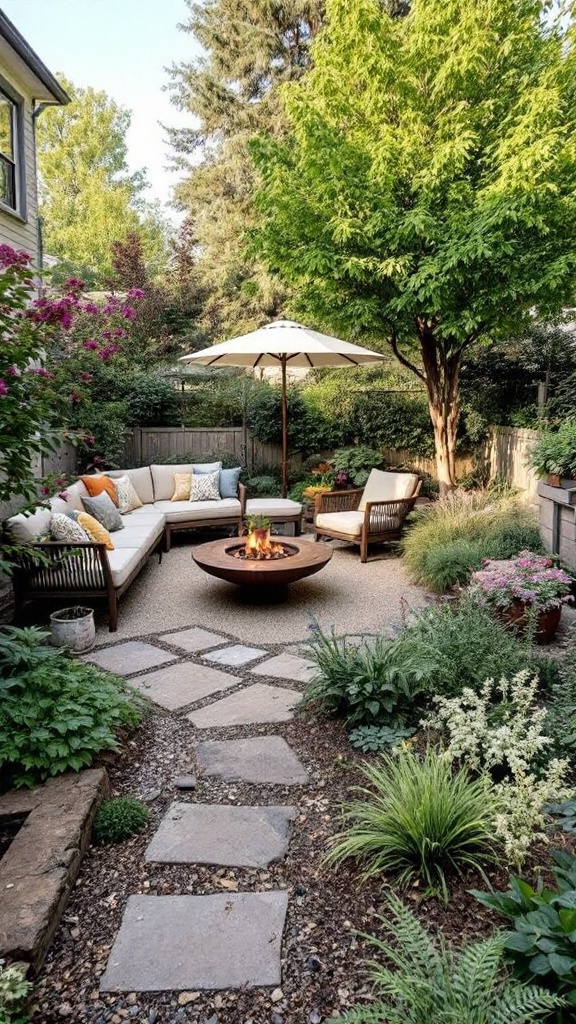
Turn a simple outdoor chair or bench into the focal point of a calming gravel Zen garden. Use a compact area of fine gravel as the foundation, edging it with steel, timber, stone, or a clean line of larger pebbles.
Rake gentle curves around the seating zone to suggest rippling water while keeping a stable, level surface beneath the furniture.
Choose low-profile seating in wood, black metal, or a muted neutral finish so it blends with the landscape.
Add a few carefully placed boulders, a lantern, or a clipped evergreen for structure, but avoid filling every open space. The result should provide a quiet place to pause, read, or enjoy the garden without visual clutter.
11. Drought-Tolerant Zen Rock Garden

A drought-tolerant Zen rock garden can deliver a peaceful look without relying on a thirsty lawn or high-maintenance flower beds. Begin with a generous layer of gravel or crushed stone, then add a small number of large boulders to create visual weight.
Group heat-loving plants such as sedums, echeverias, agaves, yuccas, or compact native grasses in deliberate clusters.
Keep the palette restrained by repeating two or three foliage colors and using rocks with related tones. Choose plants suited to your local climate and install efficient drip irrigation while they establish.
Once mature, the gravel surface helps define the minimalist composition, while succulents and sculptural stones provide year-round texture and strong architectural form.
12. Zen Garden With Ornamental Grasses

Ornamental grasses bring soft movement and natural texture to a Zen rock garden without overwhelming its calm, minimalist character.
Plant a few clumps beside larger stones or along the edge of a raked gravel bed, allowing their slender leaves to gently spill toward the ground. Japanese forest grass, mondo grass, blue fescue, and other compact varieties can work well when matched to the site.
Use repetition rather than a busy mix of species. A small grouping of grasses can soften hard edges, introduce seasonal movement, and create contrast against pale gravel or dark boulders.
Leave open areas between planting groups so the garden still feels spacious, ordered, and easy to view from a nearby bench or path.
13. Tiered Rock Garden on a Sloped Yard

A sloped backyard can become a peaceful focal point when it is shaped into several low, stone-supported levels. Use stacked natural rocks to hold each terrace, then fill the spaces with pale gravel, carefully placed boulders, and a restrained selection of grasses, moss, or low-growing evergreens.
The stepped arrangement gives the garden a sense of movement without relying on bright flowers or elaborate decoration.
For a more authentic Zen effect, keep each tier visually simple and leave open areas of raked gravel between the stones.
Add narrow stepping stones or timber steps where needed, but avoid overcrowding the slope. This approach turns a difficult grade into one of the most sculptural Zen Rock Garden Ideas for a calming backyard retreat.
14. Container Zen Rock Garden for Patios and Balconies

A container Zen garden brings the calm of a larger dry landscape to a patio, balcony, or compact urban corner.
Choose a shallow, weather-resistant planter with enough surface area for a few contrasting stones and a thin layer of fine gravel. Arrange one taller stone with two smaller supporting rocks, then rake simple lines around the grouping to suggest water and movement.
Keep the palette quiet with gray, cream, charcoal, or sandy tones. A miniature bonsai, clipped evergreen, or single tuft of ornamental grass can provide living texture without making the arrangement feel busy.
Add drainage holes and place the container on a stable stand so it remains practical as well as beautiful.
15. Zen Garden Framed by Timber or Stone Edging

Strong edging gives a Zen rock garden a sense of order and makes the gravel composition feel intentional. Timber creates a warm, modern frame around a rectangular bed, while natural stone edging delivers a more grounded, traditional appearance.
Either option can separate pale gravel from lawn, paving, or planting beds and help prevent the surface material from spreading.
Keep the border lines clean and level, especially when using raked patterns inside the garden.
Choose one edging material rather than mixing several competing textures, then place a small number of feature rocks within the defined space. This simple frame turns an ordinary side yard or patio edge into a polished, low-maintenance retreat.
16. Nighttime Zen Garden With Subtle Lighting

Subtle lighting can make a Zen rock garden feel even more peaceful after sunset. Use warm, low-level fixtures tucked beneath shrubs, behind edging, or beside stepping stones so the light grazes the rocks instead of dominating the scene.
A few carefully positioned uplights can reveal the texture of a boulder and create gentle shadows across raked gravel.
Avoid bright colored bulbs and excessive fixtures, which can interrupt the garden’s quiet character.
Concealed LEDs, small path lights, or a softly illuminated stone lantern work best with natural materials. Plan the lighting from viewing areas such as a patio, deck, or window so the nighttime composition feels balanced, calm, and intentionally framed.
17. Coastal Zen Rock Garden With Light-Colored Gravel

Bring the calm of a windswept shoreline into your backyard with a coastal Zen rock garden built around pale gravel, smooth stones, and relaxed planting.
Choose light-colored pea gravel, white beach pebbles, or crushed limestone to reflect sunlight and create the impression of dry sand. Arrange a few weathered boulders asymmetrically, leaving generous open space between each group.
Soften the rocky layout with salt-tolerant ornamental grasses, blue fescue, seaside thrift, or low mounds of sedum.
A piece of driftwood or a simple timber edge can reinforce the coastal mood without making the garden feel themed. Keep the palette restrained—white, gray, sandy beige, and muted green—for a peaceful retreat that feels airy, natural, and easy to maintain.
18. Modern Zen Garden With Geometric Lines

Give a Zen garden a contemporary edge by organizing the space around clear geometric lines. Use rectangular gravel beds, large square pavers, linear concrete edging, or narrow bands of contrasting stone to create a strong visual structure.
Keep the layout balanced but not overly busy, allowing broad areas of open gravel to preserve the quiet feeling associated with Zen design.
Choose a restrained palette of charcoal, warm gray, white gravel, and green foliage. A single sculptural tree, clipped shrub, or carefully placed boulder can act as a focal point within the grid.
Rake the gravel in straight lines or gentle arcs that echo the hardscape, and use low planting beds to soften the edges while maintaining the garden’s crisp, architectural character.
The most inviting Zen rock gardens rely on balance, restraint, and a thoughtful connection to their surroundings.
Whether you choose a simple patch of raked gravel or a layered design with stones, plants, pathways, and water, focus on creating a space that feels calm and intentional. Start with a few meaningful elements, then refine the arrangement until your backyard offers the peaceful atmosphere you want.